Fuel Subsidy: A Hot Topic as 2027 Elections Approach
The rising cost of living in Nigeria has made the petrol subsidy a key issue as the 2027 elections approach. Atiku Abubakar's proposal to bring back the subsidy has sparked debate.
Nigeria's rising cost of living has made petrol subsidy a hot topic as the 2027 presidential election looms. The conversation was sparked by former Vice President Atiku Abubakar. He is the presidential candidate of the African Democratic Congress (ADC) and has promised to bring back petrol subsidy if he wins the election on January 16, 2027. This is the official date set by the Independent National Electoral Commission (INEC) for the presidential and National Assembly elections.
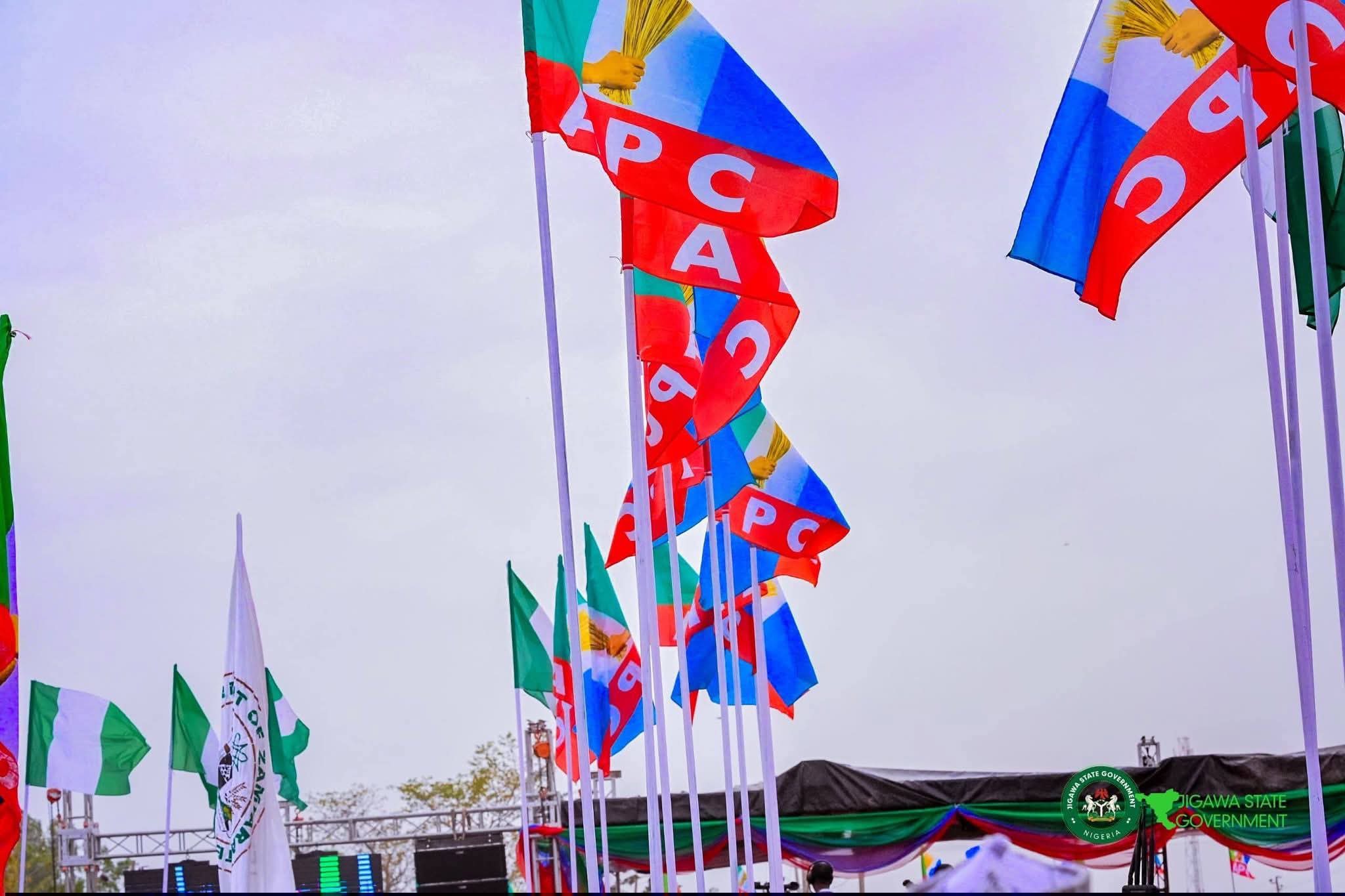
Atiku's announcement has caused a stir in the political scene. The Presidency and the All Progressives Congress (APC) have criticized his plan, while some Nigerians, tired of high petrol prices, have welcomed the idea of cheaper fuel. Other opposition leaders, like Peter Obi, have questioned whether going back to the old subsidy system is wise.
The key question in this debate is simple: should Nigeria, an oil-producing country, subsidize petrol for its citizens? Atiku says yes. He argues that Nigeria has enough crude oil resources to provide affordable energy for its people. He also wants to know what happened to the savings from removing the subsidy and claims that Nigerians have not gained enough from the reforms.
But is this a serious economic policy or just political talk before an election? The truth might lie somewhere in between.
President Bola Ahmed Tinubu set the direction for his economic policies on May 29, 2023. Right after taking his oath, he announced, "The fuel subsidy is gone." This was a big deal because it ended a long-standing policy that was deeply entrenched in Nigeria's political economy. Petrol prices shot up right away, with NNPC Limited adjusting prices to between N488 and N557 per litre in various parts of the country within days.
This reform was part of a larger economic plan. Tinubu's government also unified the foreign exchange market, leading to a significant drop in the value of the naira. Other reforms affected electricity and public finances. The economic reasoning was strong. Nigeria could not keep spending huge amounts of public funds to keep petrol prices low, especially since it was importing most of its refined petrol.
Nigeria's economy has suffered due to years of poor management. In 2022, petrol subsidies cost Nigeria about $10 billion, according to Reuters. Nigeria was exporting crude oil, importing refined petrol, and then borrowing or using scarce resources to keep petrol cheap at the pump.
The subsidy was not just an energy policy; it was a huge financial burden. But there was a challenge. The economic reasons for removing the subsidy were stronger than the social protections promised after its removal. This has been a struggle for the Tinubu administration.
For ordinary Nigerians, talk of fiscal balance means little when petrol prices have skyrocketed. Before May 2023, petrol cost about ₦175 per litre. Now, prices have jumped to around ₦1,250-₦1,300 or even higher, depending on the area and market conditions. This is a massive increase in the price of a vital commodity in Nigeria.
In Nigeria, petrol is not just fuel. It is vital for transportation and electricity for millions of homes and businesses that rely on generators. The politics of petrol is closely linked to our everyday lives, as it is a key commodity.
Petrol also affects the cost of moving food from farms to markets and running shops and factories. So, when petrol prices go up, it impacts the entire economy, and ordinary Nigerians feel the pinch.
Today’s cost-of-living crisis is not just about food prices. It includes the combined effects of rising fuel prices, exchange rate drops, electricity costs, housing, transport, and weak buying power.
Nigeria's headline inflation rate has dropped from the high levels recorded after the 2023 reforms. The National Bureau of Statistics reported inflation at 15.91 percent in June 2026, while food inflation was at 17.52 percent. This is an improvement, but lower inflation does not mean lower prices. It just means prices are rising at a slower pace.
A Nigerian who bought a bag of food for ₦20,000 two years ago does not feel relief just because the rate of price increase has slowed. The price is still painfully high compared to their income. This is why the cost-of-living crisis remains a political hot potato.
So, should the subsidy come back? Atiku’s argument deserves serious thought instead of quick dismissal. As an oil-producing nation, it makes sense for citizens to ask why they should pay international prices for petrol when they produce crude oil. This is a valid point.
But there is a weakness in this argument. Just because Nigeria produces crude oil does not mean it produces cheap petrol. The country needs to consider production costs, refining, transportation, distribution, exchange rates, infrastructure, and other market realities. For years, Nigeria has struggled to refine enough of its crude oil.
This is where the Dangote Refinery steps in. With a capacity of 650,000 barrels per day, it gives Nigeria a chance to change its reliance on imported refined petrol.
But even with local refining, a blanket subsidy may not be the answer. The real question is: what is the best way to make energy affordable for Nigerians without putting the government in debt? This is different from simply asking if the subsidy should come back.
Was the subsidy really removed? This question adds a tricky layer to the discussion. The government’s May 2023 announcement did not wipe out every form of petrol price support immediately. The World Bank noted that an implicit subsidy continued until late 2024, while NNPC's revenue remittances were affected by the transition.
This is crucial because Nigerians have heard conflicting claims about the actual savings. In July 2026, Finance Minister Taiwo Oyedele said reforms generated N15.8 trillion more resources. He acknowledged that Nigerians want to know where the savings went. The government claims much of the benefit has gone to higher debt costs and increased spending.
This is where Atiku’s argument gains traction. If Nigerians hear that removing the subsidy saves trillions of naira, they will naturally wonder: where is the benefit? If the answer is that the money has mostly gone to debt servicing, then the government needs to explain why Nigerians should keep facing high petrol prices without seeing clear improvements in public services.
The issue is not just about removing the subsidy; it is about failing to create a strong social contract around the reform.
Atiku’s stance should not be viewed as just political maneuvering, but it should not be accepted without scrutiny either. There is a clear electoral incentive in promising cheaper petrol in a nation where millions are struggling in poverty.
Fuel subsidy is an easy economic policy to sell politically because its benefits are immediate and clear. With the presidential election less than five months away, the risk is that bringing back the old subsidy without real changes could just repeat the problems past administrations could not fix.
The country spent trillions on petrol subsidies while schools, hospitals, roads, and electricity remained underfunded. Subsidies also mainly helped those who consumed more petrol, including wealthier families and businesses with generators.
The old subsidy system created short-term billionaires out of briefcase contractors! A return to an unclear, unlimited subsidy would be hard to justify economically. But Atiku has raised another important question: what is the alternative?
If the government removes the subsidy, it must provide affordable transport, reliable electricity, targeted cash transfers, functional public services, and an economy that can create better-paying jobs. Without these, subsidy removal is just a financial win for the government but a loss for the people.
Nigeria needs a new agreement. The real discussion should go beyond “subsidy or no subsidy.” What Nigeria needs is a new social and economic agreement. There’s no reason to go back to a system that Atiku does not want. The government could look at a targeted energy subsidy for vulnerable Nigerians, public transport, farmers, critical industries, and other specific groups. This help should be clear, time-limited, and independently checked.
At the same time, domestic refining must be encouraged, competition boosted, and the petroleum market made truly transparent. The government must also show a trustworthy account of the savings from subsidy removal and explain how that money will be used for infrastructure, healthcare, education, transportation, electricity, and productive investment.
This is where President Tinubu’s reform program faces its biggest political challenge. The administration can point to better public finances, increased investor confidence, and a more stable economic environment. Reuters recently reported that investors are responding positively to the reforms, even as everyday Nigerians grapple with higher living costs.
Both sides can be true. Nigeria can be healthier economically at the macro level while millions of citizens remain in hardship. This is the paradox of the Tinubu reforms. But this is not just Tinubu's issue. State governors and local leaders must step up because they are now receiving more funds each month.
What are they doing with the extra money from FAAC? In July, the federal, state, and local governments shared N3.007 trillion, that’s a huge amount. President Tinubu has urged state governors to “make the grass greener on the other side” by focusing on poor and vulnerable Nigerians in their states and stop wasting funds on unnecessary projects.
Atiku has raised a powerful question for the 2027 election: what is the worth of economic reform if ordinary Nigerians cannot feel the benefits? Tinubu’s supporters will argue that removing the subsidy was necessary to prevent fiscal disaster and that reversing it would lead back to bad old times.
Atiku, meanwhile, will argue that Nigerians have suffered enough and deserve quick relief. Both arguments have some truth, but Nigerians should ask for more than just political slogans. Atiku needs to clarify how much subsidy he plans to provide, for how long, from where the funds will come, and how he will prevent corruption.
He should also explain how his current position aligns with his previous support for subsidy removal. The Tinubu administration has its own tough question: if removing the subsidy has saved trillions, when will Nigerians start to see the benefits in their daily lives? That is the real debate.
In my opinion, Nigeria does not need to return to an ineffective subsidy system just because petrol is expensive. Nor should it cling to the idea of subsidy removal while citizens fall deeper into poverty. What we need is affordable energy, accountable government, and an economy that turns our natural wealth into widespread prosperity. The true test of any economic policy is not whether economists like it or whether politicians can defend it.
The real test is whether ordinary Nigerians can live better because of it. As January 16, 2027, nears, the petrol politics could become a key question on that simple idea.

Comments
No comments yet.