Gatefield highlights financial struggles and corruption affecting Nigerians' health
Gatefield's CEO Adewunmi Emoruwa calls for action against financial struggles and corruption affecting Nigerians' health during the Health Summit in Abuja.

Gatefield, a group focused on public affairs and health, is urging action to tackle financial struggles, corruption, and environmental issues that are harming Nigerians' health and life expectancy.
The call came from the group's Chief Executive Officer, Adewunmi Emoruwa, during the Gatefield Health Summit in Abuja. He shared findings from the LiveWell Longevity Factor Report, which looks at what affects Nigerians' health and how long they live.
The report is based on answers from over 1,000 people surveyed in Abuja, Lagos, and Kano. It found that factors affecting how long Nigerians live go beyond just health issues. Costs of healthcare, experiences with public services, and pollution also play a big part.
"We asked ourselves the question: why are Nigerians dying younger than they ideally should?" Mr Emoruwa said. He explained that the research aimed to uncover factors often ignored in talks about mortality.
He mentioned that the findings highlight the combined effects of chronic illnesses, money problems, and environmental issues, which make it harder for many Nigerians to stay healthy.
Mr Emoruwa presented the findings at the summit, which started on Wednesday and wraps up on Thursday with the theme, "Scaling What Works". The event gathers policymakers, health experts, international partners, and community leaders to discuss preventing non-communicable diseases and reforming health systems.
Chronic illnesses burden households
One key finding is how chronic diseases affect families, including those who care for sick relatives. Mr Emoruwa said one in eight respondents reported helping someone with a chronic condition like diabetes, hypertension, or heart disease.
Nearly half of the people surveyed said they were managing a health issue for themselves or a family member. The findings show that chronic diseases impact not just the patients but also their families, who may have to balance caregiving with jobs and other duties.
For those needing ongoing treatment, getting medicines, attending appointments, and following medical advice can mean the difference between managing their health or not.
Mr Emoruwa insisted that Nigeria needs to focus more on preventing illnesses and dealing with factors that make it tough for people to stay healthy.
Cost of treatment forces difficult choices
The report also pointed out how expensive it is to access healthcare in Nigeria. Patients end up paying a large part of their treatment costs. The Commonwealth Fund’s 2026 profile of Nigeria’s health system shows that out-of-pocket payments made up about 70.9 percent of total health spending in 2023.
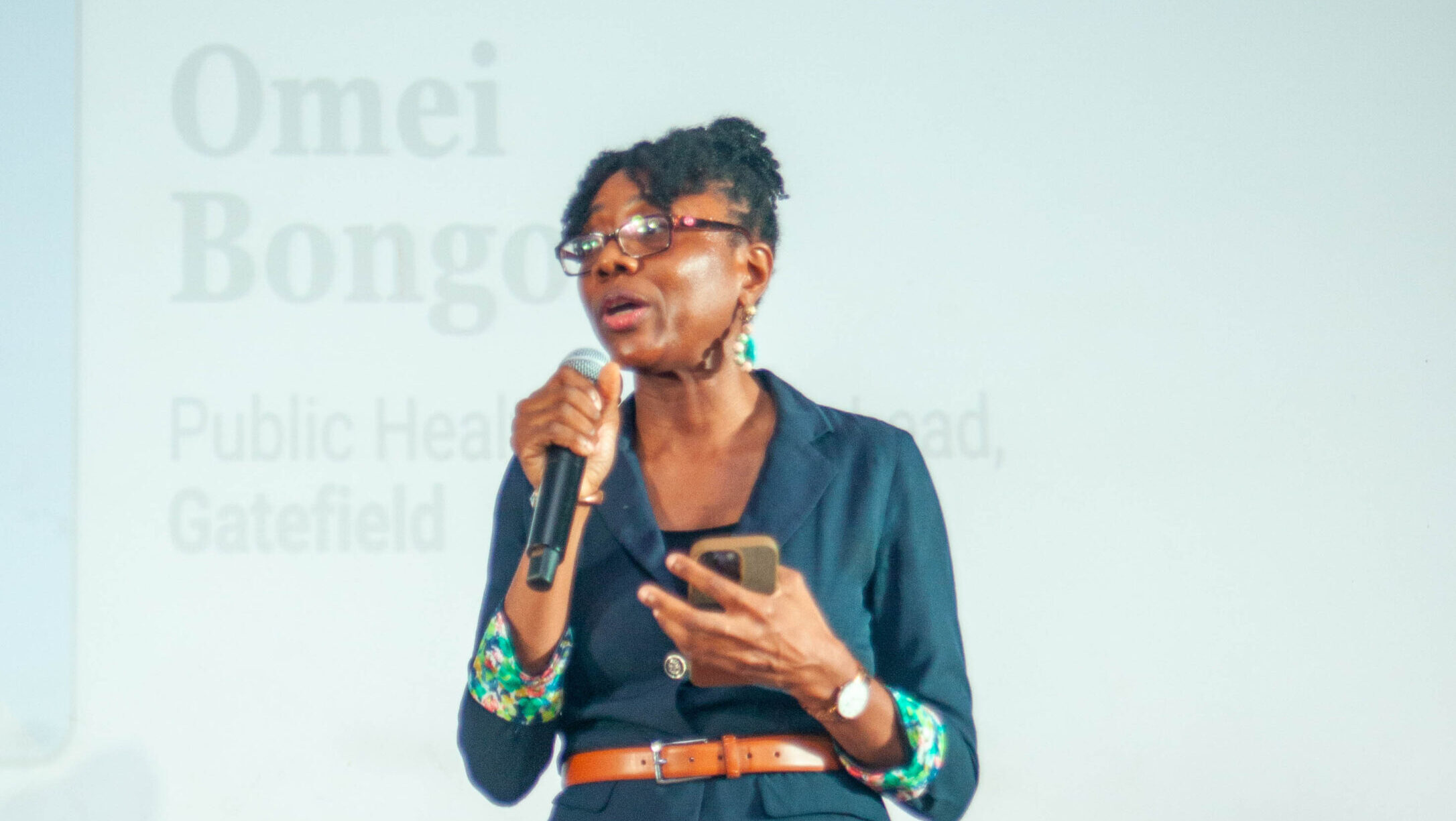

Reflecting this challenge, Mr Emoruwa said more than half of those surveyed for the LiveWell report struggled to pay for healthcare. He noted that 27 percent borrowed money for healthcare, while 14 percent skipped healthcare expenses altogether.
These pressures can hit hard, especially for those with chronic conditions needing regular treatment. A patient who cannot pay for prescribed medicines may stop treatment, which could lead to complications and higher costs later on.
Mr Emoruwa argued that just having medical services does not help if people cannot afford them. He called for better investment in public services, such as healthcare and education, saying government spending should focus on improving people's lives.
Corruption, pollution add to health risks
The LiveWell report also pointed out issues with public services. Mr Emoruwa said three out of four respondents at high risk for chronic diseases faced corruption when trying to access public services.
He noted that dealing with public institutions adds to the stress for people already struggling with illness and money issues. "The stressor that is politics has become an important part of what determines whether we are living healthy or not," he said.
Environmental issues were another worry identified by the research. Mr Emoruwa mentioned that over half of the respondents reported being exposed to pollution, raising concerns about the quality of their living environments.
He also talked about rising temperatures and loss of trees, arguing that environmental choices should be part of public health planning. The findings show the need to look at disease prevention beyond hospitals and clinics, including ways to improve environmental conditions and lower health risks.
Proven interventions to be expanded
Despite these challenges, Mr Emoruwa said Nigeria has examples of actions that can lower chronic disease risks and improve health. He mentioned taxes on sugary drinks, alcohol, and tobacco, as well as rules against marketing unhealthy products to children and clear nutritional labels.
He also highlighted how using lower-sodium salt alternatives can help reduce hypertension and suggested using digital tools to ease the workload for healthcare workers.



Comments
No comments yet.