Government Talks to Fuel Marketers as Oil Prices Drop
The Federal Government is in talks with petroleum marketers to address fuel pricing issues. They aim to ensure Nigerians benefit from lower global oil prices.

The Federal Government is talking to petroleum marketers and regulators. They want to address issues around fuel prices. This is to make sure Nigerians benefit from lower global crude oil prices.
Taiwo Oyedele, the Minister of Finance and Coordinating Minister of the Economy, shared this on Monday. He spoke to reporters after the Federal Executive Council (FEC) meeting in Abuja.
Mr Oyedele said they are in talks with people in the downstream petroleum sector. They want to find out how changes in international crude oil prices affect local fuel prices.
He pointed out that marketers often raise fuel prices quickly when crude oil prices go up. They say it is due to higher replacement costs. But they are slower to drop prices when global prices go down. This is because they still have stock bought at higher prices.
"We are engaging with marketers and regulators to ensure there is fairness in the market while also recognising the commercial realities operators face," he stated.
He also mentioned that the Federal Competition and Consumer Protection Commission (FCCPC) and the Nigerian Midstream and Downstream Petroleum Regulatory Authority (NMDPRA) are already working on this issue. They are doing this under the Petroleum Industry Act.
PREMIUM TIMES previously reported that the FCCPC raised alarms. They said that recent drops in global crude oil prices have not led to lower fuel prices in Nigeria. The consumer protection agency warned that while it does not set petroleum prices, it will take action against businesses that exploit consumers or engage in unfair practices in the deregulated market.
In response to worries that government actions have not significantly cut transportation costs, Mr Oyedele said that measures from President Bola Tinubu's administration have helped ease the impact of global energy price changes.
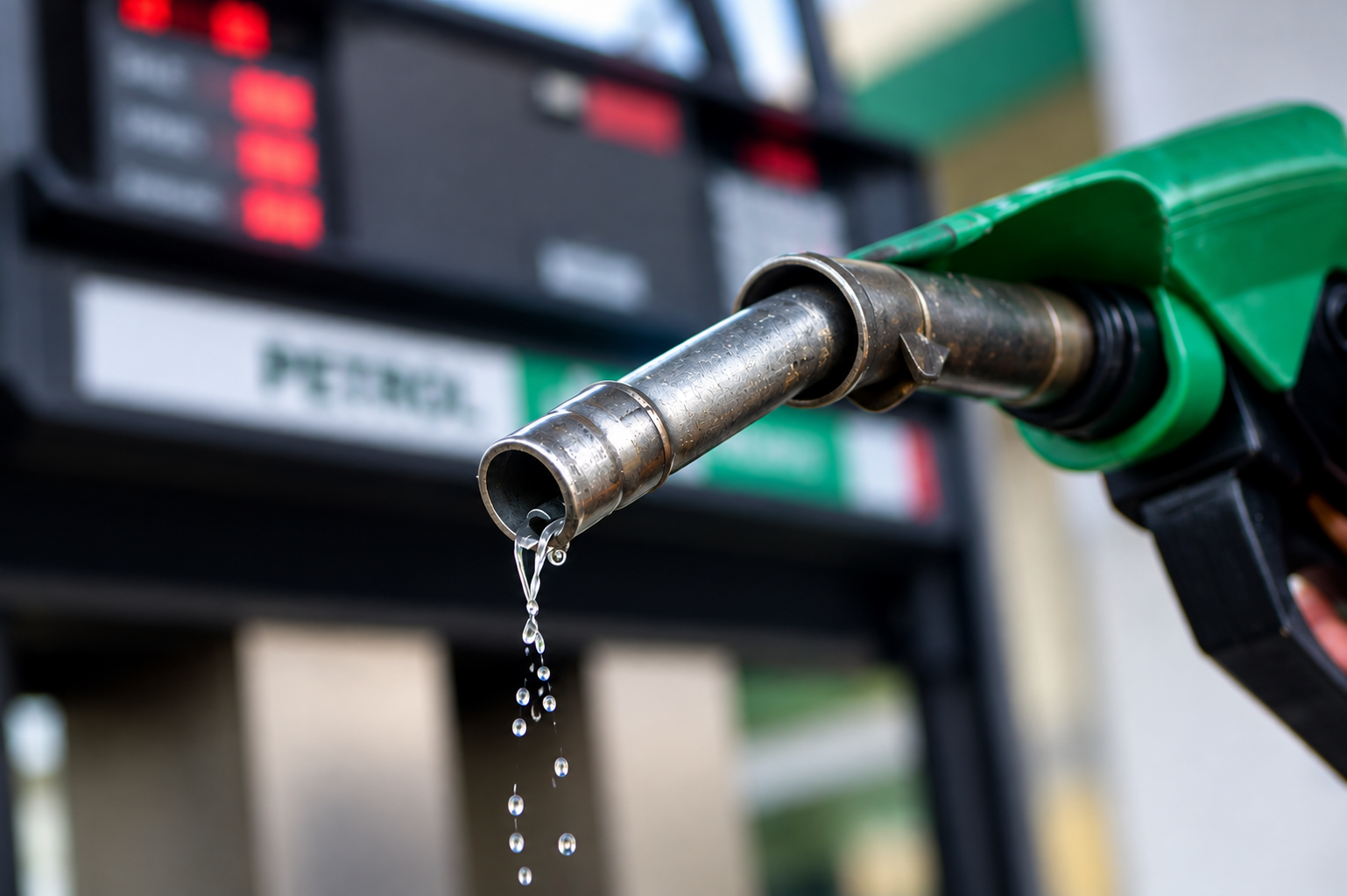
He explained that the government has suspended the Value Added Tax (VAT), excise duty, and other charges on petroleum products. This is to help lower costs for consumers.
According to him, petrol prices in nearby countries are between 20 and 50 percent higher than in Nigeria. This is because those countries still apply those taxes.
The minister urged transport operators benefiting from the government’s compressed natural gas (CNG) initiative to pass these savings to commuters.
He noted that even with subsidized vehicle conversion kits and other government help, some operators still charge the same fares as petrol vehicles.
Mr Oyedele said the government has invested a lot in the CNG program. This is to lower transportation costs and reduce reliance on petrol.
He called on beneficiaries of this initiative to ensure that Nigerians enjoy the benefits intended from the government’s support.





Comments
No comments yet.