Heat Alert: How to Stay Safe as Nigeria Faces Extreme Heat
Nigeria is experiencing rising temperatures as the dry season begins. Health officials warn of risks like dehydration and heat exhaustion, especially for vulnerable groups.
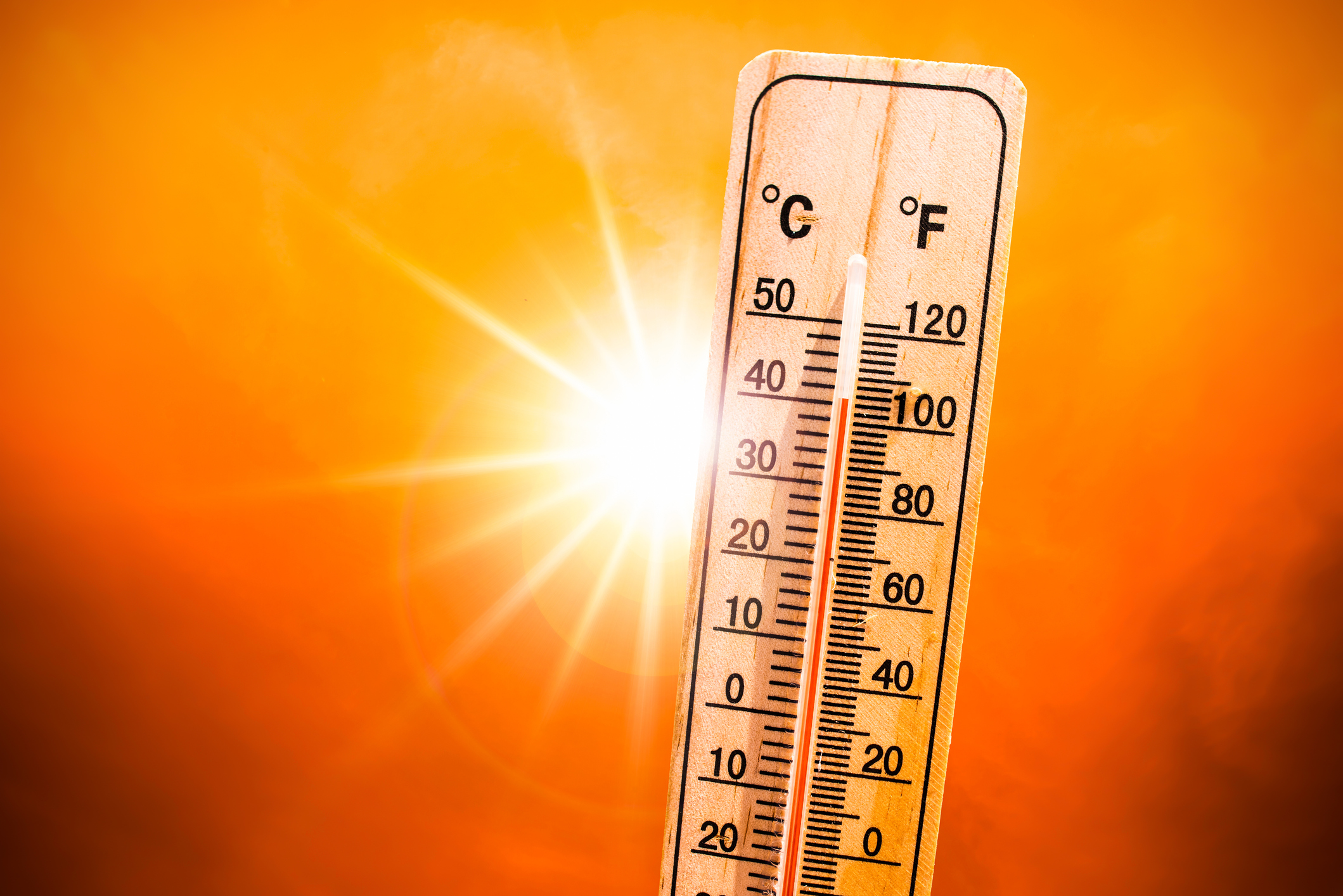
As temperatures rise in Nigeria, health officials are warning people to take precautions against extreme heat.
This warning comes as the country shifts from the rainy season to the hotter, drier months. Prolonged exposure to high temperatures can lead to dehydration, heat exhaustion, and heatstroke.
A recent report from the Climate Impact Lab estimates that Nigeria could see 31,400 extra heat-related deaths between September 2026 and February 2027.
The report, called "451,000 at Risk: Where Action Can Save Lives During the Super El Niño," predicts 451,000 extra heat-related deaths worldwide during this time.
The Nigerian Meteorological Agency (NiMet) issued a warning on 23 October about hotter days and more heat discomfort as the dry season begins.
NiMet pointed out that changing weather, like less rainfall and cloud cover, can lead to higher temperatures. They warned that too much heat can cause dehydration, heat exhaustion, and heatstroke.
People Most at Risk
Extreme heat can impact everyone, but some groups are more at risk.
The World Health Organisation (WHO) notes that older people, young children, those with chronic illnesses, and outdoor workers face greater health risks during extreme heat.
People with heart, lung, or kidney problems, diabetes, and other chronic illnesses may feel worse when temperatures soar.
Outdoor workers like farmers, construction workers, and traders spend long hours in the sun and may not have enough chances to cool down.
WHO said extreme heat puts extra stress on the body trying to stay cool. Long exposure can lead to heat exhaustion and heatstroke and can make existing health issues worse.
What Should You Do?


NiMet advises Nigerians to drink water regularly and wear light, breathable clothes.
They suggest limiting time in direct sunlight, especially during the hottest parts of the day. It is better to do heavy activities when it is cooler.
NiMet also encourages schools and workplaces to ensure good ventilation, provide drinking water, shaded rest areas, and allow breaks during hot weather.
WHO advises people to avoid strenuous activities when it is hottest, stay in shaded or cool places, and keep homes as cool as possible.
People should check on relatives, neighbors, and friends who might be more vulnerable, especially the elderly and those living alone.
WHO advises parents to be extra careful with young children. Children should never be left alone in parked cars, as temperatures inside can rise quickly even if it does not seem too hot outside.
Warning Signs
Symptoms of heat exhaustion can include heavy sweating, weakness, headache, dizziness, and nausea. Moving someone to a cooler place, giving them fluids if they can drink, and helping them cool down can prevent it from getting worse.
Heatstroke is more serious and needs urgent medical help. According to WHO, heatstroke can be life-threatening. Signs include hot, dry skin, confusion, convulsions, or passing out during extreme heat. This requires immediate medical attention.
The Climate Impact Lab says these warnings give governments and aid groups a chance to identify vulnerable people and direct resources to save lives.
NiMet has also urged Nigerians to follow official weather updates and warnings as conditions change.




Comments
No comments yet.