Heritage Energy still struggling to stop Delta oil spill after five weeks
Heritage Energy is still dealing with an oil spill in Delta State after five weeks. The ongoing leak raises serious environmental and community concerns.
Five weeks after an oil well blowout in Uzere Kingdom, Delta State, Heritage Energy Operational Services Limited has not fully contained the situation. This delay raises worries about the environmental damage and the impact on the community that relies on oil production.
The blowout happened on 26 June at Well 14 in Oil Mining Lease (OML) 30, located in Uzere, Isoko South Local Government Area. This area is one of the oldest oil-producing regions in the state.
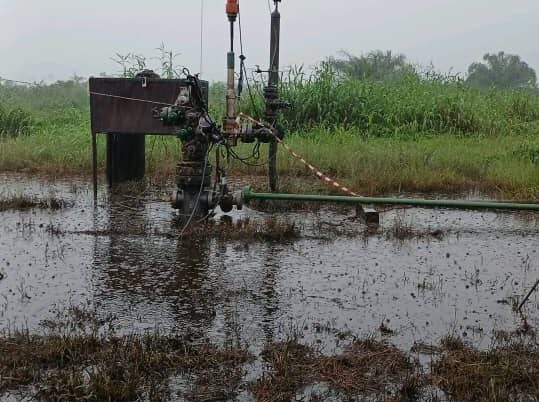
A field assessment by the environmental group Health of Mother Earth Foundation (HOMEF), released on Wednesday, claimed that the damaged wellhead is still leaking crude oil, gas, and other petroleum products into the environment over a month after the blowout.
During a visit on 25 July, HOMEF said security personnel denied them access to the affected site. They relied on photos, videos, and statements from community leaders and residents.
The Warri Zonal Head of the National Oil Spill Detection and Response Agency (NOSDRA) confirmed the spill. He told PREMIUM TIMES that containment efforts are ongoing and that another inspection of the site is planned.
Community raises alarm
Uzere Kingdom has both Uzere East and Uzere West oil fields, with many operating wells. Farming and fishing remain the main jobs for locals despite years of oil exploration in the area.
HOMEF reported that community leaders said the blowout was due to equipment failure caused by high pressure, based on what company engineers told them shortly after the incident.
Residents told HOMEF that attempts to stop the leak have failed. They said the damaged wellhead, also known as the "Christmas Tree," has collapsed.
They warned that the site is near farmlands, fish ponds, and a gas flare stack. This raises fears that expected floodwaters during the rainy season could spread pollution to rivers, wetlands, and farming land.
Sylvanus Evroro, chairman of the Uzere Oil and Gas Committee, said the community is worried as flooding in August approaches.
"About 90 percent of our people are farmers and fishers. If this blowout is not contained quickly, our farms, fish ponds, lakes, and swamps will be badly affected, which would have serious consequences for our livelihoods and food production," he said.
Mr Evroro also urged authorities to quickly stop the blowout, investigate its cause, clean up the environment, and compensate those affected.
Calls for regulatory action
HOMEF criticized the slow response from both the operator and regulatory agencies.
The group called on Heritage Energy to stop the discharge immediately, use proper emergency measures, start environmental cleanup, replace old equipment where needed, and allow regulators and independent observers unrestricted access.
They also urged NOSDRA to publicly share the findings of the Joint Investigation Visit (JIV), enforce compliance, and supervise thorough cleanup of the affected area.
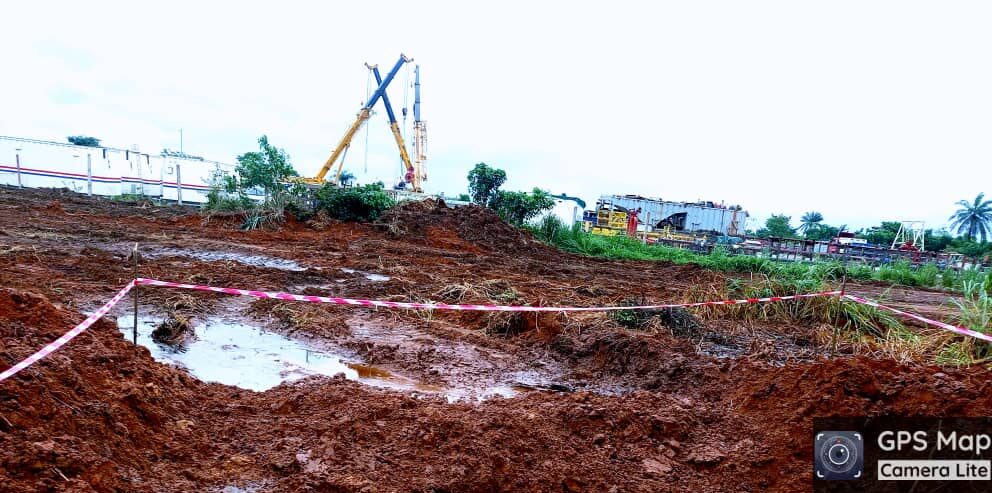
Furthermore, they asked the Delta State Ministry of Environment and other relevant agencies to conduct independent assessments of environmental, ecological, and public health to find out how much contamination exists.
Spill absent from the monitor
Checks by PREMIUM TIMES on NOSDRA’s Oil Spill Monitor showed no record of the Uzere blowout as of Wednesday, even though the incident happened over five weeks ago.
The only incident related to Heritage Energy listed on the monitor in the last three months is spill reference HEOSL/2026/333, reported by the Warri Zonal Office on 23 May.
This report estimated the spill volume at 0.013 barrels of crude oil. It said the incident was due to sabotage at Well 1 Oroni Elbow Riser in Okpolo Enhwe, also in Isoko South Local Government Area. The report noted that the spill affected soil within the company’s right-of-way.
NOSDRA speaks
When contacted by PREMIUM TIMES on Wednesday, Kenneth Ogeibiri, zonal head of NOSDRA’s Warri Office, said containment activities are ongoing.
"Containment methods are currently underway. We have visited them for the second time. Some people the company is waiting for have arrived, while others have not. But hopefully tomorrow, the agency will go there, both from Abuja and Warri offices, to find out the true situation at the site," he said.
When asked why it took weeks to contain the spill since the 26 June blowout, Mr Ogeibiri said the Joint Investigation Visit had already been done.
"The JIV is complete. Based on its recommendations, I think they are following up. Eventually, what they find will be shared with everyone. From there, whatever anyone says or does will also be considered," he said.
When asked why the JIV report had not been published or shown on the agency’s Oil Spill Monitor, Mr Ogeibiri called it "an official matter."
After PREMIUM TIMES pointed out that JIV reports are public records under the NOSDRA Act and are usually published on the agency’s Oil Spill Monitor, the official said he would make further inquiries.
PREMIUM TIMES tried several times to get Heritage Energy’s response. The newspaper called Edward, the official contact on the company’s website, but the calls went unanswered.
A detailed media inquiry was sent to the company for updates on the containment operation, the cause of the delay, the JIV findings, and plans for cleanup and compensation for affected communities.
The company had not responded by the time this report was published.



Comments
No comments yet.