House of Reps to Investigate Rising Human Trafficking Cases
The House of Representatives has launched an investigation into the alarming rise of human trafficking in Nigeria, addressing the plight of vulnerable groups.
The House of Representatives has started an investigation into the increase in human trafficking in Nigeria. They directed three committees to check out the activities of trafficking groups and how well current measures are working against this crime.
The House has given its Committees on Human Rights, Interior, and Police Affairs four weeks to look into how widespread human trafficking is in the country. They will report back for more legislative actions.
This decision came after a motion from Dominic Okafor (APGA, Anambra) during the plenary session on Wednesday.
His motion, titled ‘Need to Investigate the Alarming Increase in Human Trafficking in Nigeria,’ highlighted worries about the abuse of women, children, and other vulnerable groups. This includes things like commercial sexual exploitation, forced labor, domestic servitude, forced begging, and organ harvesting.
While presenting the motion, Mr Okafor called human trafficking “a grave violation of human rights and dignity.” He explained that it involves recruiting, transporting, and harboring people through force, deception, or taking advantage of their vulnerability for exploitation.
He pointed out that women, children, and vulnerable groups are the most affected. Victims suffer from “commercial sexual exploitation, forced labor, domestic servitude, forced begging, organ harvesting, and other degrading abuse.”
The lawmaker said the rising vulnerability of Nigerians is linked to poverty, unemployment, insecurity, displacement, irregular migration, and the actions of organized crime groups.
He also noted that victims are often misled with false promises of jobs, education, marriage, and opportunities abroad, only to end up facing exploitation, physical abuse, trauma, and sometimes death.
“Human trafficking networks operate across state and national borders, taking advantage of porous borders, lack of public awareness, poor coordination among agencies, and challenges in identifying and prosecuting offenders,” he said.
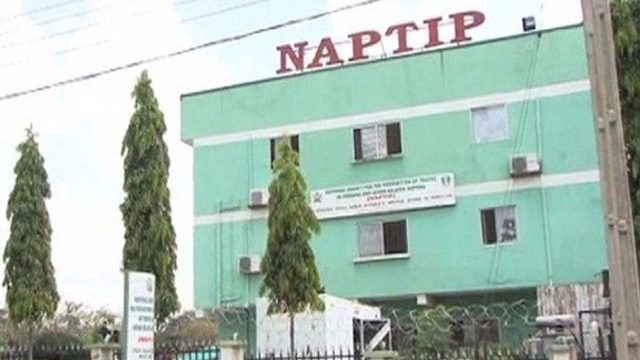
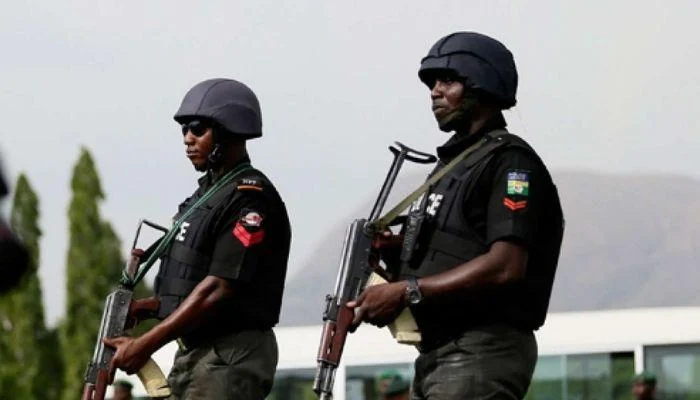
Mr Okafor recognized the efforts of the National Agency for the Prohibition of Trafficking in Persons (NAPTIP), the Nigeria Police Force, and the Nigeria Immigration Service in tackling trafficking. However, he called for better funding, stronger operational capacity, intelligence-sharing, and support for victims.
He also reminded everyone about the Trafficking in Persons (Prohibition) Enforcement and Administration Act, 2015. This law provides a framework for preventing trafficking, prosecuting offenders, and protecting victims.
The House urged the federal government to step up efforts to prevent and fight human trafficking. They want better enforcement of laws, smarter investigations, and effective prosecution of traffickers and their accomplices.
They also called for improved victim identification, rescue, rehabilitation, psychosocial support, legal help, and reintegration programs, especially for women, children, and vulnerable individuals.
Lawmakers further asked the government to tackle the root causes of trafficking, like poverty, unemployment, lack of education, and the exploitation of displaced people.
The House also urged NAPTIP and other security agencies to enhance surveillance, intelligence-sharing, and coordinated efforts against trafficking networks, especially those crossing state and international borders.
They called on the Federal Ministry of Education, relevant state ministries, local government authorities, civil society groups, and community leaders to increase public awareness about traffickers’ methods and the risks of false recruitment and irregular migration.
The motion passed without debate. Speaker Abbas Tajudeen, who led the plenary, sent it to the relevant committees for further legislative work.
These committees will look into the current situation of human trafficking in Nigeria, the activities of trafficking groups, the effectiveness of existing enforcement measures, and the challenges faced by relevant agencies. They are expected to submit their findings within four weeks.

Comments
No comments yet.