How Nigeria Can Avoid Violence After Elections in 2027
Udenta O. Udenta proposes a Sovereign Commission to prevent post-election violence in Nigeria's 2027 elections, emphasizing national unity over political ambitions.
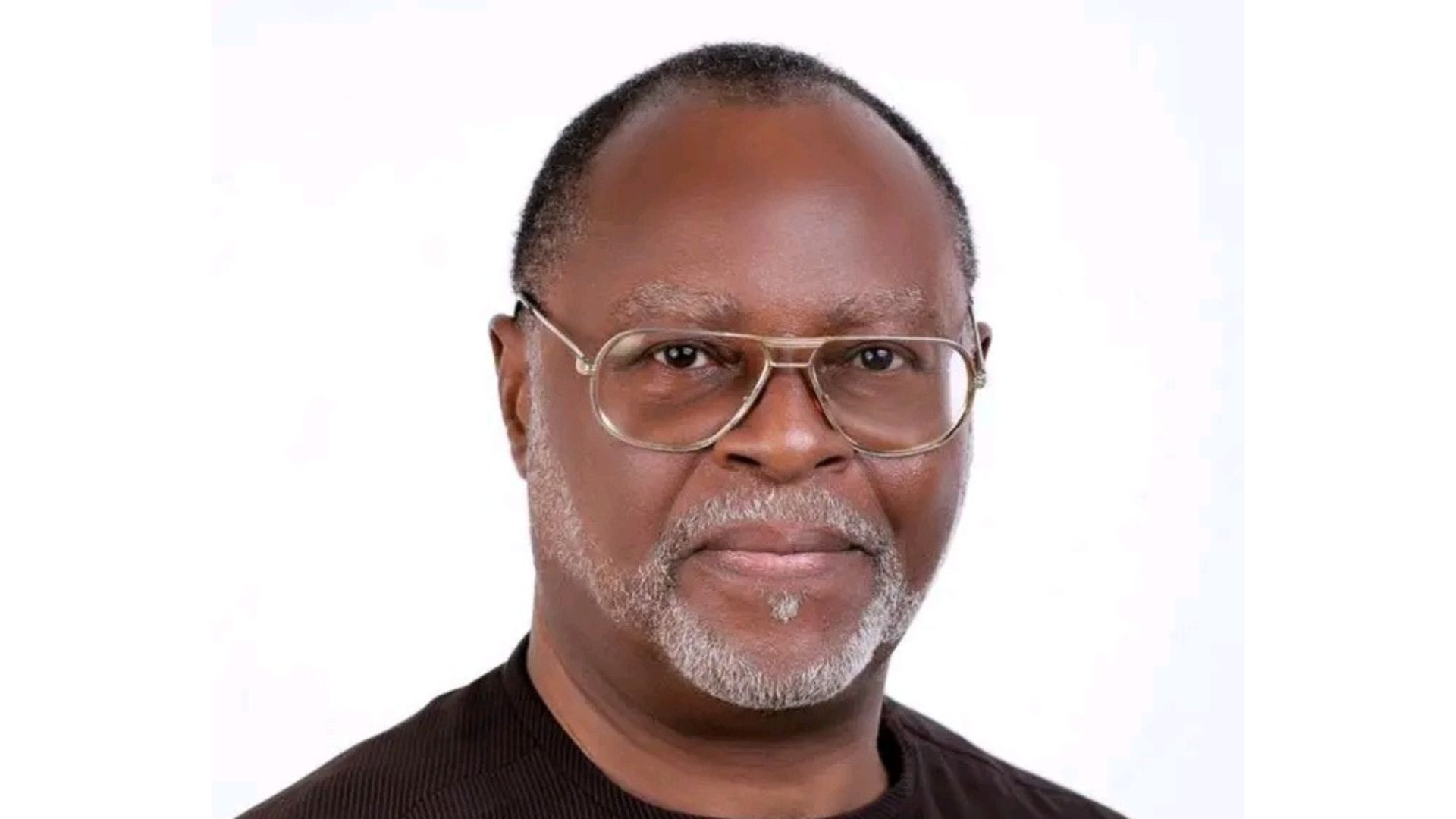
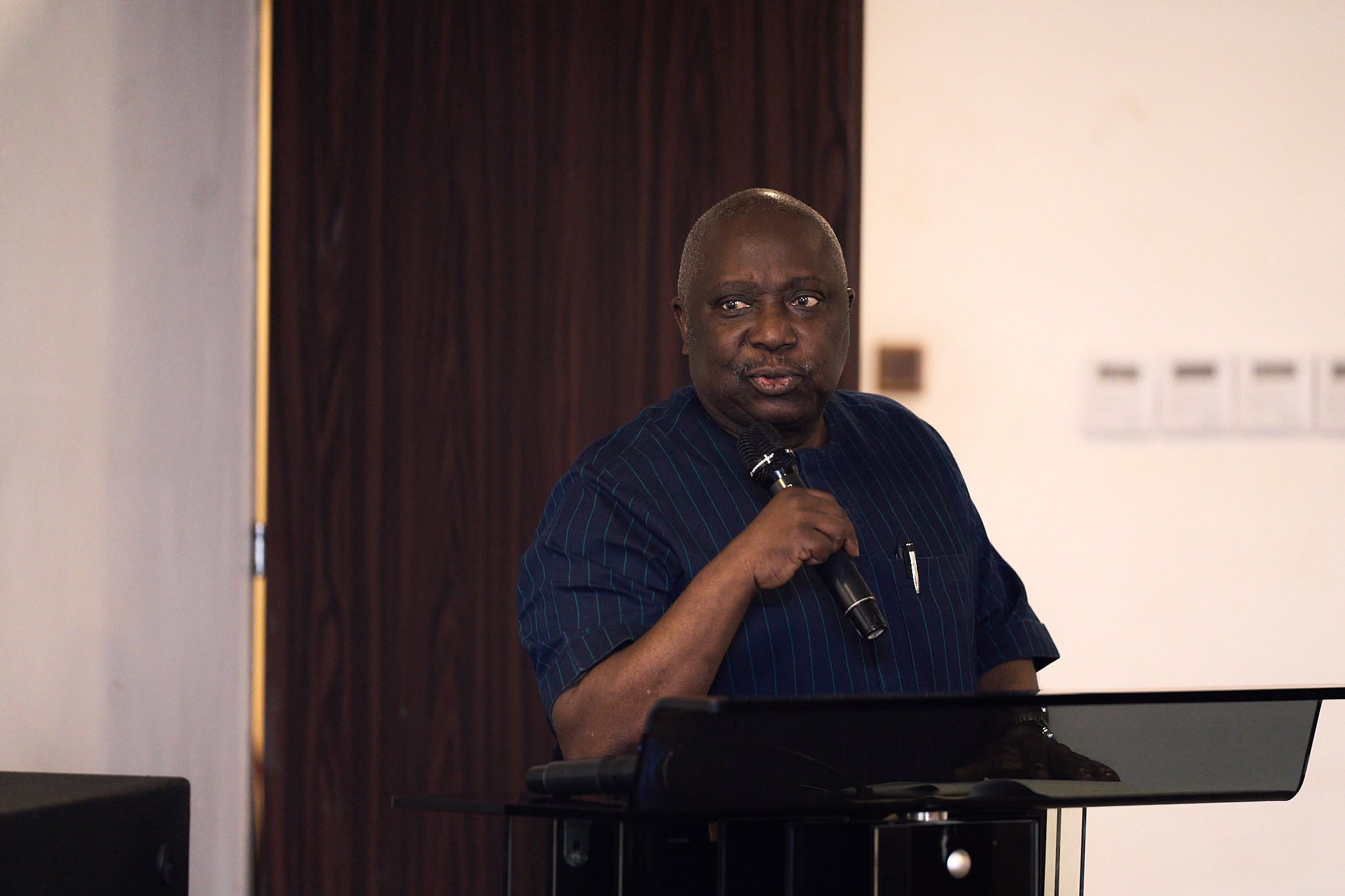
Pro-democracy activist Udenta O. Udenta wants Nigeria to set up a Sovereign Commission for Democratic Sustainability and National Stability. This commission aims to stop political tensions and prevent elections from causing crises in Nigeria in 2027.
In a statement sent to PREMIUM TIMES on Wednesday, Mr Udenta, who is a professor, said the challenge for the 2027 general election is not just about choosing a new president. The focus should be on stopping post-election violence.
A report by Kimpact Development Initiative says there were 24 deaths from 230 cases of electoral violence during the 2023 general elections. As Nigeria prepares for the 2027 elections, there have been incidents of violence in different states.
But Mr Udenta believes that this trend can change if Nigeria puts national unity and democratic stability first, rather than individual political ambitions. He stressed that the commission is needed to tackle these issues before the upcoming 2027 elections.
Mr Udenta, who was a founding national secretary of the now-defunct Alliance for Democracy (AD), said, “Elections cannot, by themselves, build trust or guarantee stability.” He added that the key question is, “What becomes of the nation the day after?”
He also said, “Nigeria’s survival must matter more than the fortunes of any politician,” adding, “Nigeria is not temporary.”
How the Proposed Commission Should Work
According to him, the proposed commission should include the current President Bola Tinubu, the new president if elected, all presidential candidates, national leaders, and chairmen of political parties.
He also suggested that leaders of the Nigeria Labour Congress, Trade Union Congress, Academic Staff Union of Universities, Nigerian Union of Journalists, and civil society representatives should be part of the commission.
Mr Udenta said the initiative must be a real platform for dialogue, not “another committee of former public office holders or political elders issuing communiqués that gather dust.”
To prevent post-election violence, the professor proposed seven pre-election commitments for all political parties and their presidential candidates. This includes a pledge to participate in the commission’s activities, no matter the election outcome.
He added that commission membership should be based on “one’s status as a presidential candidate.”
More Suggestions
Mr Udenta also suggested that the winner of the election should agree to convene the commission after the election. He said there should be an 18-month government of national unity based on competence and reforms to lessen the “winner-takes-all” attitude in presidential politics.
He proposed more reforms, such as laws for audited public funding for eligible political parties, proportional executive representation, a national dialogue on an afrocentric democratic model, and restoring cabinet-level special advisers for inter-party matters and civil society relations.
On political party financing, he mentioned countries like Germany, Sweden, South Africa, Kenya, Malawi, and Tanzania, which have public funding for political parties.
Mr Udenta argued that making funding transparent and linked to verified electoral thresholds would “reduce parties’ dependence on wealthy patrons, encourage stronger organisation, and help credible opposition parties survive between elections.”
He insisted that such funding needs to follow strict rules, independent audits, and penalties for misuse, rather than being left to the ruling party's discretion.
He also set a timeline for the proposed commission. He called for all presidential candidates to “jointly urge calm and direct disputes through lawful channels” within 72 hours of election results.
He proposed that the commission hold its first meeting within 30 days and publish meaningful recommendations within 100 days, which would need a public response from the president.
Mr Udenta warned that confusing national stability with silencing dissent is wrong. He said, “A stable country is not one in which citizens are afraid to speak.”
Stronger Local Governments
He believes that genuine democratic stability needs citizens to disagree peacefully, journalists to report without fear, courts to function without political influence, and peaceful protests not to be labeled as treason.
He also stressed that opposition parties should keep their freedom to criticize the government. He said, “A voter who supported the losing candidate does not become less Nigerian when the results are announced.”
Beyond electoral reforms, Mr Udenta called for stronger local governments and institutions to lessen the power and resources concentrated at the center. He said too much centralisation makes controlling the federal government a tough political game.
He pushed for a political culture focused on ideas and policies, not just ethnic ties or entrenched political interests. He envisions a “national political geography not of ethnicities but of ideological beliefs.”
The professor said he has started talking to citizens from civil society, academia, and politics to move the proposal forward. He urged voters to hold political candidates accountable before they take office.
“My generation has seen military rule, democratic changes, and the rise and fall of political parties,” he said. “We have learned that no individual is indispensable. Nigeria is. We must leave our children a country where winning an election means responsibility, losing one does not mean political death, and every citizen remains part of the republic,” Mr Udenta added.
He urged Nigerian political leaders to work together to build a democracy that serves everyone, not just a system where every election threatens division. “Only our shared commitment to the national interest can decide if Nigeria survives and grows,” he stated.

Comments
No comments yet.