How Political Moves Shaped APC's 28 Governorship Candidates
The APC primaries revealed intense political maneuvers that shifted power dynamics in 28 states. Key themes included defections and the role of incumbents.
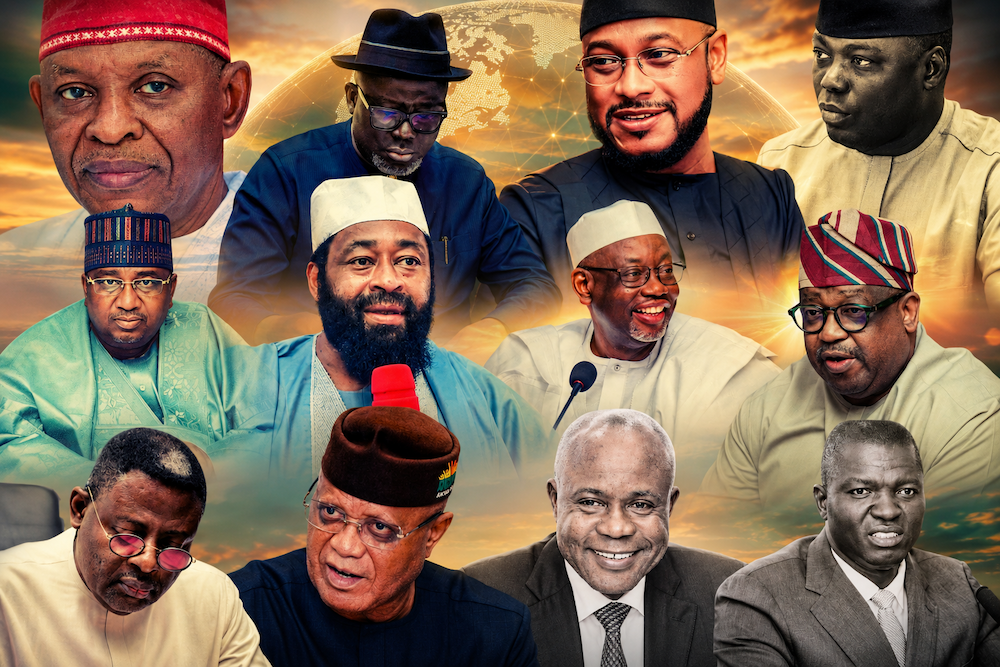
The APC governorship primaries across Nigeria were filled with intense political moves that changed the power dynamics in many states.
The primaries were not just about voting. They involved negotiations, agreements, defections, and the influence of strong political figures who worked behind the scenes.
In many states, it seemed the results were decided before the delegates voted. This showed how political strategies were becoming more important than actual elections within the ruling party.
Following the timetable from the INEC, the primaries produced candidates in 28 states. Anambra, Bayelsa, Edo, Ekiti, Imo, Kogi, Ondo, and Osun were not included because they are on “off-cycle” schedules due to court decisions that overturned previous elections or changed the terms of sitting governors.
As a result, the APC concentrated its efforts on the other 28 states, where debates on zoning, major defections, and political bargaining were at the forefront. The states involved are:
- North-west: Kano, Kaduna, Katsina, Kebbi, Sokoto, Jigawa, Zamfara
- North-east: Borno, Yobe, Gombe, Bauchi, Adamawa, Taraba
- North-central: Kwara, Niger, Nasarawa, Benue, Plateau
- South-west: Lagos, Ogun, Oyo
- South-south: Rivers, Akwa Ibom, Delta, Cross River
- South-east: Abia, Enugu, Ebonyi
Defections
One notable aspect of the primaries was how much the APC gained from opposition governors and other influential politicians switching sides.
In several states, the real political battles happened before the primaries as the party worked to bring in key opposition figures and their political networks. Once these negotiations were done, the primaries were mostly a formality.
Governors like Abba Yusuf from Kano, Dauda Lawal in Zamfara, Sheriff Oborevwori from Delta, Agbu Kefas in Taraba, Caleb Mutfwang from Plateau, Umo Eno in Akwa Ibom, and Peter Mbah from Enugu were all key beneficiaries of this approach after joining the ruling party.
This shows that the APC is keen to grow its political influence ahead of the 2027 elections, not just through elections but by taking over existing political structures led by current governors.
Incumbency
The primaries also highlighted a significant truth in Nigerian politics: being an incumbent is a big advantage.
In many states, sitting governors looking for a second term faced little challenge from within their party.
Governors like Uba Sani from Kaduna, Dikko Radda in Katsina, Nasir Idris from Kebbi, Umar Namadi in Jigawa, Hyacinth Alia from Benue, Francis Nwifuru in Ebonyi, and Bassey Otu in Cross River secured their nominations either unopposed or through affirmation votes that minimized competition.
This pattern shows that control over state party structures, access to resources, influence in local networks, and support from party leaders give incumbents a strong edge in the candidate selection process.
Consensus arrangements
Another key aspect of the APC primaries was the widespread use of consensus arrangements.
The party leadership defended these methods as necessary for unity and to avoid disputes later, but critics say they limited genuine competition and weakened the democratic nature of the selection process.
Governors benefitting from this system included Dikko Radda (Katsina), Uba Sani (Kaduna), Nasir Idris (Kebbi), Umar Namadi (Jigawa), Hyacinth Alia (Benue), Bassey Otu (Cross River), Francis Nwifuru (Ebonyi), Umo Eno (Akwa Ibom), Peter Mbah (Enugu), Sheriff Oborevwori (Delta), Caleb Mutfwang (Plateau), Agbu Kefas (Taraba), Dauda Lawal (Zamfara), and Abba Yusuf (Kano), who all gained substantial support or return tickets.
This trend suggests that the party values stability, especially in regions where open contests might stir up factional disputes.
Zoning
In states where governors are nearing the end of their two-term limit, zoning and regional balance were crucial considerations.
In Kwara, House of Assembly Speaker Salihu Danladi benefitted from calls for power to shift to Kwara North. In Ogun, Olamilekan Adeola (Yayi), a senator, emerged as the candidate amid claims that Ogun West should have the next governor for the first time.
In Yobe, Baba Wali’s rise was linked to regional balance efforts, while in Nasarawa, Ahmed Wadada’s victory followed debates about succession and zoning.
Even though zoning is unofficial in many cases, it remains an important tool for managing regional interests and maintaining stability within party structures.
Power brokers
Despite calls for more democracy within the party, the primaries showed how much political godfathers and power brokers still influence outcomes.
Former governors, current ministers, and senior party leaders played crucial roles in shaping results in various states.
In Sokoto, Aliyu Wamakko, a former governor, was vital to Governor Ahmad Aliyu’s success. In Katsina, former Governor Aminu Masari’s support helped Governor Dikko Radda. In Ebonyi, the political structure set by Minister David Umahi, a former governor, continued to impact the APC politics.
Vice President Kashim Shettima and Governor Babagana Zulum were also seen as key players in Mustapha Gubio’s rise in Borno, while Governor AbdulRahman AbdulRazaq was significant in Kwara’s succession talks.
These examples show how personal political networks remain deeply rooted in Nigeria’s party system.
Controversies
Though the APC avoided major crises during these primaries, some contests revealed ongoing tensions within the party.
Rivers State generated buzz when Governor Siminalayi Fubara withdrew from the race, allowing Kingsley Chinda to become the party's candidate. Ogun faced legal actions after rival aspirant Abayomi Hunye contested the primary outcome.
In Abia, disagreements over a supposed consensus arrangement led to disputes, while Benue’s primary highlighted the rivalry between Governor Hyacinth Alia and Secretary George Akume.
These conflicts show that while the party produced candidates in all involved states, the challenge of addressing post-primary grievances is far from resolved.
State-by-state breakdown
Kano State: Abba Yusuf
Governor Yusuf grabbed the APC ticket for his second term after defecting from the NNPP earlier this year.
He was a key figure in the Kwankwasiyya movement, a disciplined political group led by former Governor Rabiu Kwankwaso. Faced with political pressure and legal challenges, he switched parties.
Mr Yusuf was not alone in his move; over 20 members of the State House of Assembly, more than 40 local government chairpersons, and several lawmakers also joined him.
The primary was a quick process, with the national leadership confirming him as the only candidate.
Zamfara State: Dauda Lawal
Governor Lawal became the APC candidate after switching from the PDP.
His rise was supported by a coalition of APC stakeholders, including four former governors who had been rivals for years. They set aside differences and gathered to endorse Mr Lawal, showing a united APC front.
Delta State: Sheriff Oborevwori
Delta State was once a stronghold for the opposition PDP, but that changed when Mr Oborevwori defected to the APC and won the party’s governorship ticket. He earned 345,375 votes in a direct primary where all party members voted at the ward level.
The move was backed by influential federal officials, including Minister of Aviation Festus Keyamo, who helped integrate the governor’s political network into the APC.
Ogun State: Solomon Adeola (Yayi)
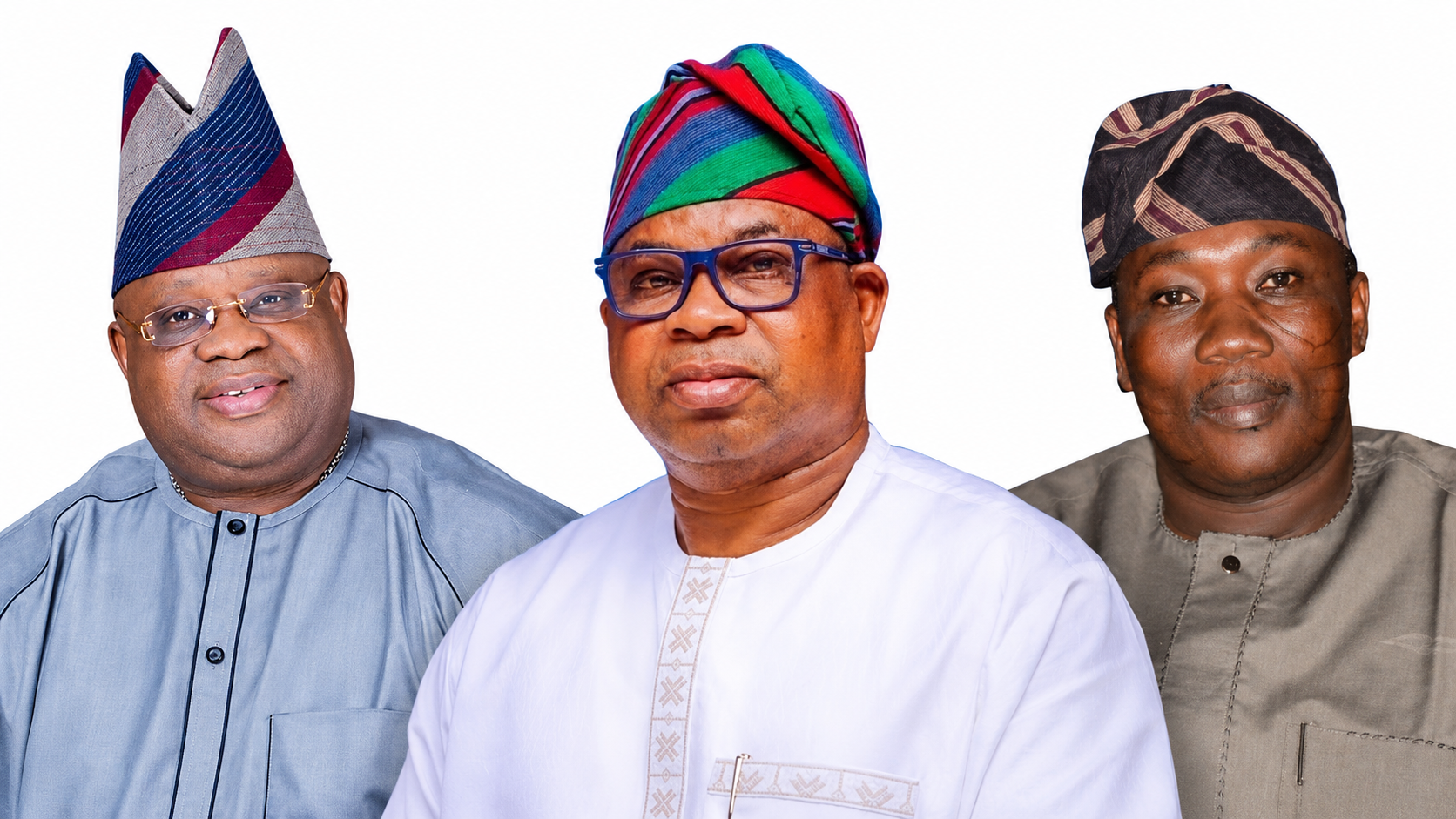
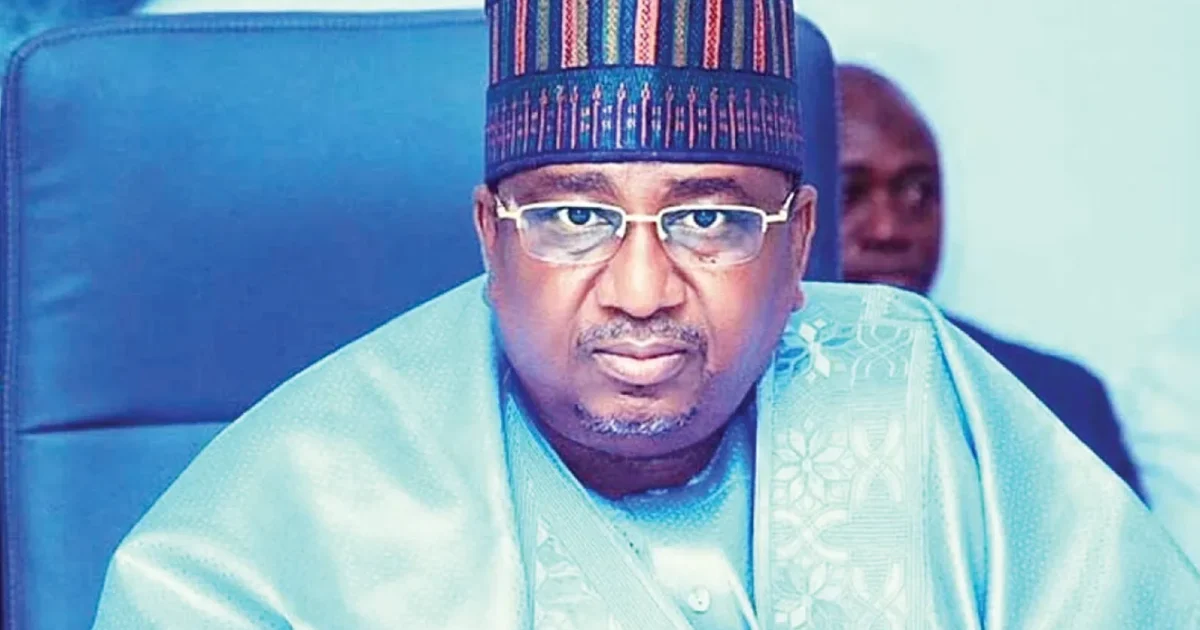
Senator Solomon Adeola, known as “Yayi,” emerged as the candidate to succeed outgoing governor Dapo Abiodun.
While he had support from all major Ogun power brokers, a challenger appeared. The rival aspirant, Mr Hunye, claimed he received no votes in the state’s 236 wards, a claim he rejected. He alleged his supporters faced harassment and that the results were pre-written.
Mr Hunye has filed a lawsuit demanding the primary be nullified.
Borno State: Mustapha Gubio
With Governor Zulum nearing his two-term limit, Borno State’s APC followed its succession plan. Mustapha Gubio emerged unopposed during a peaceful primary in Maiduguri, with Vice President Shettima and Mr Zulum guiding the process.
Adamawa State: Ahmed Galadima
Unlike its neighbors, Adamawa held a competitive primary election. Ahmed Galadima, the former Executive Secretary of the Petroleum Technology Development Fund (PTDF), won decisively with 414,444 votes.
He built a coalition that crossed regional and ethnic lines. Several aspirants stepped down to support him, pledging funds and campaign structures in his favor.
Taraba State: Agbu Kefas
Agbu Kefas joined the APC from the PDP and won the primary with 166,357 votes, defeating former Minister of Works Sambo Jaji.
Before the primary, he received strong endorsements from APC stakeholders, though there was some resistance from other aspirants.
Kwara State: Salihu Danladi
Kwara’s primary faced delays and saw a competitive three-way race. Mr Danladi emerged as the outgoing governor’s choice on the day of the primary after the governor changed his earlier choice.
Mr Danladi won against Abdulfatai Seriki and former state party chairman Bashir Bolarinwa, marking a response to long-standing calls for power to shift to Kwara North.
Kaduna State: Uba Sani
Governor Uba Sani secured his return ticket unopposed in Kaduna. The primary committee organized a central affirmation process to prevent regional tensions.
Mr Sani balanced the interests of various groups, ensuring a unified party ahead of the general election.
Rivers State: Kingsley Chinda
Kingsley Chinda emerged as the APC candidate in Rivers, scoring 268,497 votes.
This raised eyebrows because he was a prominent member of the opposition PDP and was serving as the minority leader in the House of Representatives. His switch to APC happened after the incumbent governor, Siminalayi Fubara, withdrew from the race.
Katsina State: Dikko Radda
Katsina’s primary used an early consensus arrangement to avoid factional disputes. Governor Dikko Radda's position was strengthened by former governor Aminu Masari’s support.
No one challenged him, making the primary a ratification process.
Kebbi State: Nasir Idris
Governor Nasir Idris had an easy path to his second-term nomination. His strong ties with the civil service protected him from any internal challenges.
The primary was a big celebration, with delegates unanimously supporting his candidacy.
Sokoto State: Ahmad Aliyu
In Sokoto State, Governor Ahmad Aliyu won through a consensus process led by Aliyu Wamakko, a former governor and senator.
Mr Wamakko’s control of the local party structures prevented any rival ambitions, ensuring a smooth nomination for Mr Aliyu.
Jigawa State: Umar Namadi
Governor Umar Namadi received a return ticket unchallenged in Jigawa. He was the only consensus candidate for the 2027 election after gaining endorsements from all political wards.
The party leadership avoided competitive voting to maintain legislative alliances.
Yobe State: Baba Wali
As Governor Mai Buni approaches the end of his two terms, Baba Wali emerged as the preferred candidate after weeks of negotiations aimed at maintaining party unity. He won the primary with 236,711 votes, defeating Abubakar Kagu, who got 9,748 votes.
Gombe State: Jamilu Gwamna
With Governor Muhammadu Yahaya nearing the end of his term, the Gombe primary attracted many prominent APC figures. Party leaders and stakeholders backed Jamilu Gwamna, who won the direct primary with 247,161 votes.
He defeated Isa Ali Pantami and Saidu Alkali, who got 12,120 and 11,612 votes, respectively.
Bauchi State: Mohammed Abubakar
Bauchi’s primary produced a comeback for former governor Mohammed Abubakar, who won with 57,517 votes against Umar Bala Mohammed’s successor. His victory marked a significant political resurgence, despite years out of power.
His win also showcased the strength of his political network in the state, despite the defeat of prominent figures like Yusuf Tuggar, who had resigned from President Bola Tinubu’s cabinet.
Niger State
Governor Umaru Bago won his second-term ticket unopposed in a consensus primary. His agricultural initiatives and relationships with traditional rulers ensured no internal challenges.
The event was praised for its lack of drama, highlighting Niger State as a model of party unity.
Benue State: Hyacinth Alia
In Benue, the primary was highly contentious, reflecting the ongoing rivalry between Governor Hyacinth Alia and George Akume. Despite facing strong opposition, Mr Alia secured the party's nomination, showing his control over the party.
The primary occurred amidst efforts to reconcile party divisions, with tensions remaining evident. Alia’s victory indicated a shift in the party's power dynamics, favoring the governor.
Comments
No comments yet.