How the US is Supporting Nigeria's Energy and Digital Growth
The US is backing Nigeria's energy and digital development through strategic projects. This partnership aims to enhance infrastructure and create jobs.

The US wants to export goods, create jobs, gain influence, and build trusted infrastructure. Nigeria seeks reliable energy, strong digital systems, jobs, and projects that promote growth and stability. This is where both countries' interests meet.
This is why the recent actions by the US Trade and Development Agency, known as USTDA, are important. The agency is not just funding projects. It is providing early support to decide which infrastructure gets built and who builds it. In Nigeria, this approach is clear in energy, digital systems, and health.
On 9 July, at a Washington RoundTable event, Thomas Hardy, USTDA’s chief operating officer, called the agency “foreign assistance with a purpose.” He said USTDA helps develop partner countries while also promoting US national security and trade goals. This explains what the US aims to do now: use foreign help not just to assist but to place American businesses and technology in key markets.
Nigeria is a great example of this strategy. The country needs effective infrastructure, including energy systems for industries, strong digital networks, and facilities that improve access. USTDA-supported projects do not solve all the issues, but they can help fill gaps where funding is hard to find and needs are urgent.
One clear example is Powergas. USTDA has supported a small LNG terminal project meant to improve the virtual pipeline to northern Nigeria. The agency says this project aims to fill an energy security gap while allowing US companies to provide trusted technology. Mr Hardy said it simply: more reliable energy in northern Nigeria can lead to greater security across the country.
This is important because energy in Nigeria goes beyond just economics. It is also a security concern. When gas supply is steady, industries can plan better, transport is easier, and pressure on communities can lessen. For the US, a stable Nigeria is a better partner in a region where insecurity can spread quickly.
The same reasoning applies to digital infrastructure. USTDA has also backed the Medusa submarine cable study, which could expand trusted digital networks along Africa’s Atlantic coast. The project aims to improve connectivity, strengthen network reliability, and lower the risk of cyber threats. For Nigeria, this means better access to vital digital resources. For the US, it offers a chance to influence future infrastructure with trusted technology and standards.
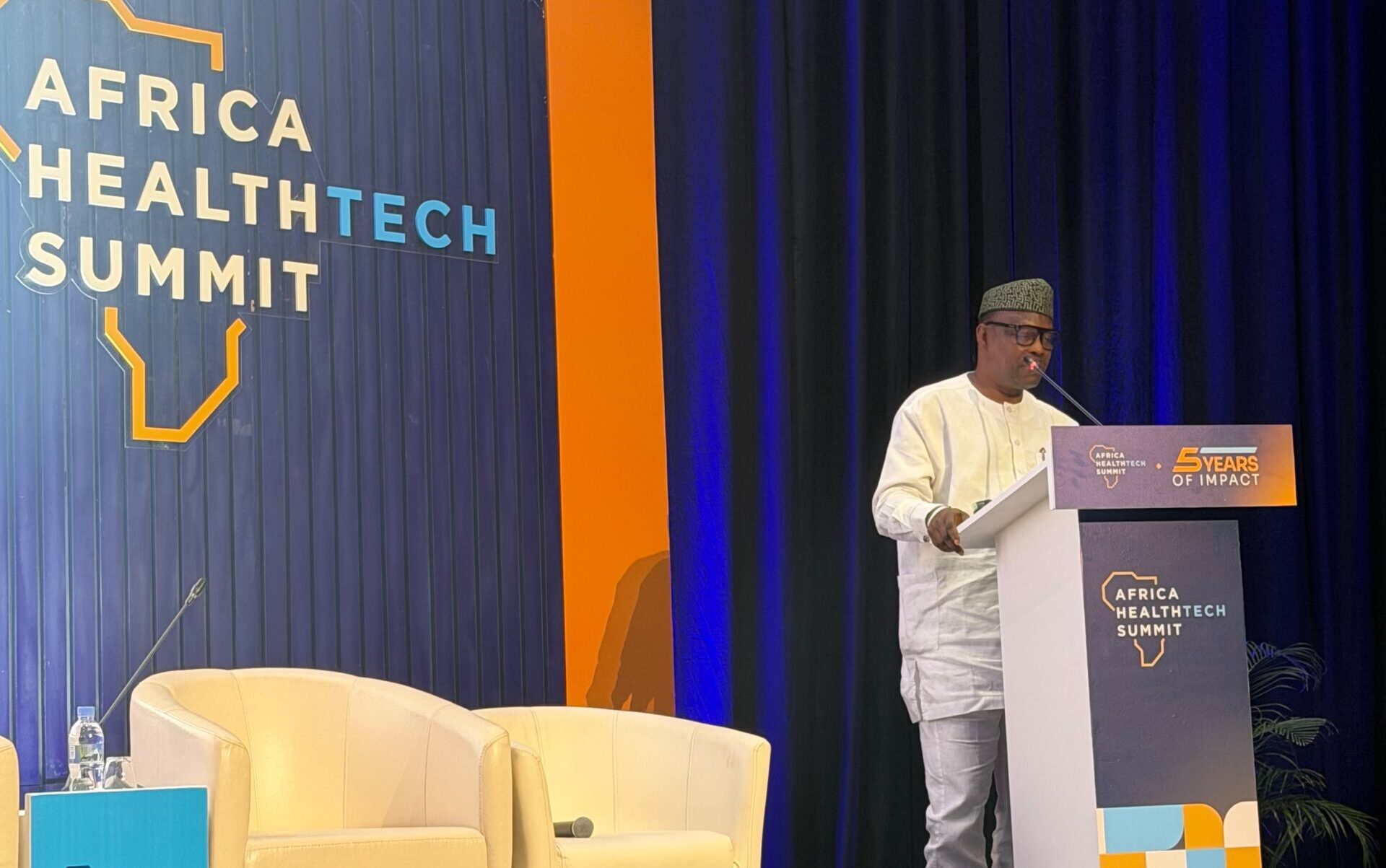
USTDA’s health projects also strengthen the partnership. Mr Hardy mentioned the Lagos Teaching Hospital project, which helped create a new cancer treatment center. This example is significant because it shows the agency’s work is not just theoretical. It provides real public value. A cancer center in Lagos is not merely a diplomatic talking point. It is a concrete investment in Nigeria’s health system and shows that infrastructure includes more than just roads and power lines.
This is why USTDA is best seen as a tool for commercial diplomacy rather than a typical aid agency. Mr Hardy explained how it uses small amounts of public funds to develop projects and attract larger financing from organizations like the US Development Finance Corporation, the Export-Import Bank, and private lenders. This makes it a quiet but strong part of US foreign policy.
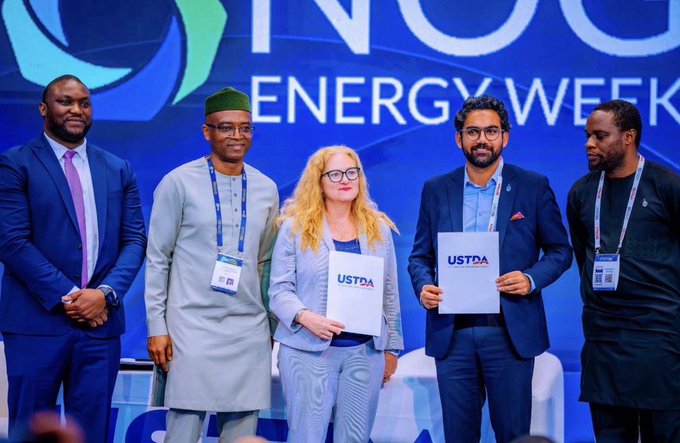
It also clarifies why the US Embassy's recent statements about Powergas and USTDA were significant. On Tuesday, the embassy in Nigeria said Assistant Secretary Frank Garcia had a productive meeting with Nigeria’s Minister of State for Foreign Affairs, Sola Enikanolaiye, and called Nigeria a strategic partner in many areas. Embassy officials also took part in what they called a “landmark” funding agreement between Powergas Nigeria and USTDA. This shows the relationship is not only diplomatic. It is becoming practical and project-focused.
For Nigeria, the advantages are clear. Better energy supply helps industries and stability. Improved digital infrastructure boosts connectivity and resilience. Enhanced health facilities support public confidence and human capital. For the US, the benefits are also obvious. There are export opportunities for American companies, stronger access for trusted technologies, and a more stable partner in a key region.
The bigger picture is that US foreign assistance is now being used clearly. It is not just about generosity. It is about matching goals. The US wants projects that help Nigeria grow, but it also wants those projects to support American trade and security goals. Nigeria, on the other hand, wants projects that address real issues and expand its options.
This is why the USTDA model is worth noting. It shows how foreign assistance can meet both countries' interests. In this case, it indicates that America First and Nigeria’s needs can align. When the project is right, both goals can come together in growth, security, and infrastructure. This is why this US foreign assistance model matters. It is not just aid. It is cooperation in energy, digital infrastructure, and other areas that can provide real benefits for both sides.
Get more stories like this on your home page
How this story developed
- How the US is Supporting Nigeria's Energy and Digital Projects
How the US is Supporting Nigeria's Energy and Digital Growth (this story)


Comments
No comments yet.