Hunger: Why Bayo Onanuga's Words Hurt So Much
Bayo Onanuga's recent remarks on hunger in Nigeria have angered many. His dismissal of the suffering faced by citizens raises questions about leadership accountability.
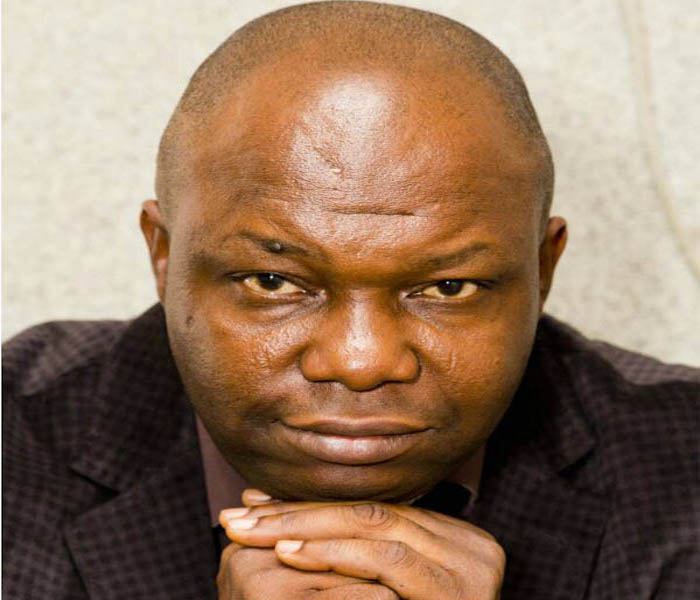
The words “hunger” and “Onanuga” sound a bit alike. I’m reminded by the Yoruba saying that similar things should be compared. Just like a tortoise’s head fits with its toe, a groundnut shell fits with the tiny rat's cocoon called eliri. But I’m not here to compare. I want to highlight how the cries of those suffering are ignored by those in power who promised hope, sitting comfortably in Abuja.
Bayo Onanuga, the presidential media adviser and well-known journalist, is facing backlash. His blunt comment on a TV show last week, “I don’t see the level of hunger people are talking about”, has made many Nigerians angry. He didn’t stop there. Onanuga claimed that the media exaggerates the country's issues with terrorists and kidnappers. “The way they report insecurity is as if the entire country is consumed,” he said. To him, events like the abduction of 39 students and the brutal killing of Michael Oyedokun seem like mere stories, not real tragedies.
Onanuga’s recent comments can be likened to two local vegetables. The Yoruba call them tètè and dágunró. Onanuga is a big name in Nigerian media. You can't tell the story of the Nigerian press fighting military rule without mentioning him and many others who risked their lives for democracy.
Tètè is good to eat, while dágunró is harmful. Elders say cooking them together leads to disaster. That’s similar to what happened to Onanuga last week. How did a man who once fought for the people now dismiss their suffering? By ignoring the hunger and insecurity facing many Nigerians, he seems to have confused the hardships of military rule Nigerians with the struggles of those under Bola Tinubu’s leadership. To the people, it felt like a betrayal.
This betrayal reminds me of Julius Caesar’s assassination on 15 March, 44 B.C. Caesar was betrayed by his trusted friend Brutus. Shakespeare famously wrote “Et tu, Brute?” which means “And you, Brutus?” But some historians say Caesar actually groaned in Greek: “Kai sy, teknon?” meaning “You too, child?”
That’s the same question many Nigerians asked Bayo Onanuga last week. He used to stand with them, but now he brushes off their struggles. When Yoruba people feel deep pain, they often reflect on it. They have wise sayings for such moments. One saying goes, “If the one you lean on decides to move, they should at least tell you to avoid falling.” Did Onanuga warn he had joined the oppressors? Another saying I shared before asks, “Is this how comradeship works?”
Could Onanuga’s failure be more than just betrayal? Beyond not seeing real hunger and insecurity, could he have angered Èṣù, the god of the mouth? In Yoruba beliefs, the mouth is important. It is seen as the “Baba Ebo”, the father of sacrifices. The fate of many political leaders in Nigeria is tied to how they respect the mouth deity. Did Onanuga disrespect this deity?
Think about 9 April, 1992, when General Ibrahim Babangida banned African Concord magazine. That magazine was critical of the military government. At that time, Onanuga was its editor. After a revealing cover story, Babangida demanded an apology from Onanuga to restore the magazine. Instead, Onanuga chose to resign. He wrote, “Journalism is not meant to make leaders comfortable; it should keep them awake at night.” When he helped found TheNews, he declared they would stand for truth and justice.
Now, more than thirty years later, as a media adviser to a leader who is the eighth successor to Babangida, why would Onanuga dismiss the struggles of Nigerians?
In that TV interview, Onanuga seemed out of touch. He said, “If I work for government and I am earning ₦70k, except I am crazy or dumb lazy, I will go and do something on the side.” Does he realize he is suggesting that public workers go against the law that prohibits them from taking on outside jobs?
Onanuga also said, “We have been pigeon-holed into certain assumptions and conclusions.” What does he mean by that? Is he saying there is no hunger or suffering? By saying this, he dismisses the very real struggles of the people he once fought for.

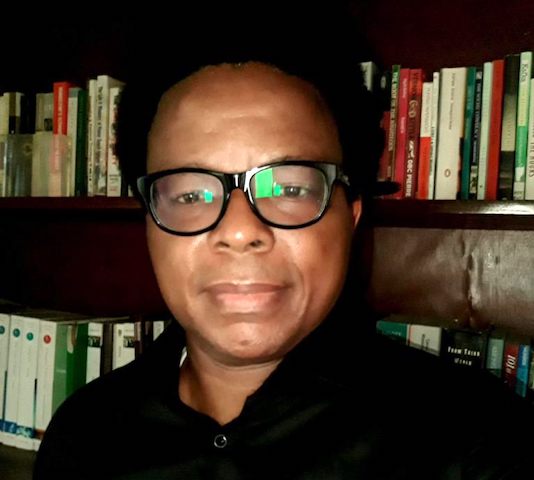
But what does a pigeon have to do with a hole? Pigeons are symbols of loyalty. The Yoruba believe that when a pigeon shares meals with a landlord, it won’t abandon them in tough times. So, why would Onanuga use this metaphor to downplay the suffering of the people? If he claims the current problems are made up, does that mean the suffering he criticized in the past was also fake?
Many political figures have faced consequences for their words. On 22 September, 2017, Garba Shehu, a presidential spokesperson, said the government did not see killer herdsmen as terrorists. In June 2021, it was reported that the government had reached a deal worth N100 billion with Miyetti Allah, allegedly as ransom for killings and kidnappings. Today, many view Buhari’s presidency as complicit in the violence Nigerians face.
Alhaji Umaru Dikko also faced backlash. While people cried out about poverty, he said he could not believe Nigerians were hungry because they hadn’t started eating from dustbins. His words became a symbol of how disconnected leaders can be from the people.
Colonel David Mark faced criticism too. In 1989, he said during a visit that “Telephone is not for the poor.” His comment symbolized the divide between the elite and ordinary people.
The mouth deity was also unforgiving to Sultan of Sokoto, Mohamed Sa’ad Abubakar. On 29 July, 2011, he spoke out against military action against Boko Haram, saying, “We cannot solve violence with violence.” This was during a time of intense military action against the group.
Recently, First Lady Oluremi Tinubu faced backlash for her comments on the economic struggles. She suggested women could find hope by starting small businesses like roasting corn or making àkàrà and kúlí-kúlí. Many found this outrageous, especially since she had previously urged governors to buy luxury cars for party women. Did women vote for her husband just to be told to start frying àkàrà?
In other countries, such words could lead to leaders losing their positions. Here, they just keep going. Some say it’s because Nigerians have short memories.
I’m reminded of Nigeria’s first Prime Minister, Tafawa Balewa. In 1964, during a political crisis in the Western Region, he appeared indifferent. He was criticized for his lack of concern. He was quoted saying he could not judge the situation based on newspaper reports. Now, like Onanuga, he faced a backlash for ignoring the suffering of the people.
As Balewa left for a meeting in October 1965, he was still in denial about the violence in the West. He looked around and claimed he saw no fire burning. That fire eventually consumed him on 15 January, 1966. Ignoring real issues can lead to disaster.
Dikko’s hurtful comment echoed for years until Bayo Onanuga brought it back into the spotlight. Dikko’s words showed a disconnect from the people's reality. Today, with Onanuga’s and Tinubu’s comments, we see a reflection of the current government’s attitude toward its citizens. No wonder Dikko, who thought Nigerians would never eat from dustbins, ended up facing harsh consequences himself. It seems the mouth deity demands accountability.



Comments
No comments yet.