Understanding Tinubu’s New Tax Incentives for Nigeria's Offshore Oil
President Tinubu has approved tax incentives to attract investments in Nigeria's offshore oil sector. This policy aims to unlock up to $50 billion in funding.

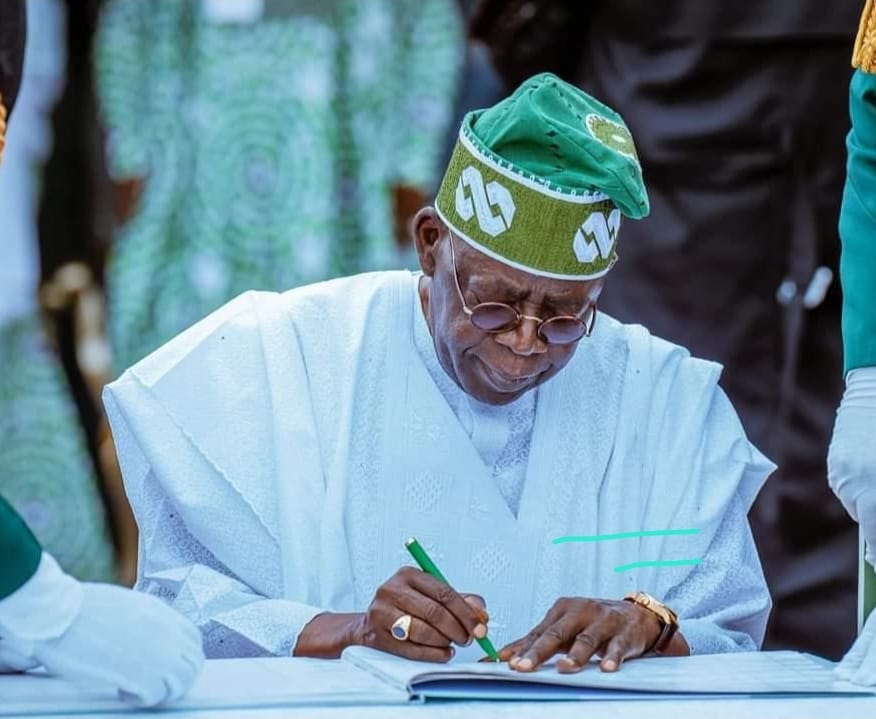
President Bola Tinubu announced on Tuesday that he approved the Deep Offshore Oil and Gas Tax Credit Order, 2026. This new plan aims to attract major investments into Nigeria’s deep offshore oil and gas sector.
The Nigerian leader said this policy will help make stalled offshore projects profitable by giving investors tax breaks and more certainty about the rules for their investments.
“I have signed the Deep Offshore Oil and Gas Projects Incentives (Tax Remission) Order, 2026, creating a clear and predictable framework capable of unlocking up to $50 billion in deep offshore investment, beginning with the approximately $10 billion Bonga South West project,” the president stated.
He pointed out that many of Nigeria’s top offshore opportunities have been stuck for too long. He added, “We cannot afford to leave that opportunity beneath our waters for another decade.”
The president explained that as capital moves, countries compete for resources. Investors putting in billions need certainty.
“We are providing that certainty, with a clear window for existing deep offshore leases to reach Final Investment Decision by 31 December 2029 and qualify for the full standard incentive,” he said.
This order is the tenth major policy from Tinubu’s administration focused on the oil and gas sector. It shows the government’s effort to remove barriers that hold back investment, production and value creation in Nigeria’s oil and gas industry.
Besides attracting money, the federal government wants these new investments to create jobs, help Nigerian businesses and build local skills.
“Our natural resources must work harder for our people. Nigeria First,” the president wrote on his official Facebook page on Wednesday.
Why did the government introduce the new incentive?
The deep offshore framework came seven months after Shell Plc showed interest in renewing and expanding its investment in Nigeria. The company cited improvements in political stability, policy consistency, and leadership as key reasons for its confidence in Nigeria’s energy sector.
During a visit to President Tinubu earlier this year, Shell’s CEO, Wael Sawan, shared the company’s investment plans. He said Nigeria now stands out as one of the best places for investment within Shell’s global portfolio.
“We think there is more to invest here, and we understand the vision that you (President Bola Tinubu) have for the country. We are indeed working on a project, Bonga Southwest, that could potentially, if we get to an FID stage, see us, with the partners, invest around $20 billion in foreign direct investment,” Mr Sawan said at that time.
The policy was also announced less than a month after 31 companies won 37 oil and gas blocks in Nigeria’s 2025 Licensing Round. The commercial bid conference took place in Abuja last month.
Nigeria has large oil and gas resources in deep offshore fields, but many big projects have not been developed for years. Oil and gas exploration in Nigeria’s major oil fields has caused significant environmental and economic issues over the years. Shell’s activities in the Niger Delta have led to serious environmental problems, including numerous lawsuits. Pipeline vandalism, insecurity, and unclear regulations have also stopped investors from investing in Nigeria’s oil reserves.
On Tuesday, the government said high development costs, complicated project economics, and uncertainty over fiscal terms have scared investors away from committing the billions needed to develop these fields.
Deep offshore projects require a lot of money because they need special vessels, drilling equipment, subsea infrastructure, and advanced technology.
At the same time, oil companies have many investment options worldwide and usually put money into projects where the fiscal and regulatory environment offers enough certainty over the long term.
The new framework aims to make Nigeria’s deep offshore projects more competitive and give investors clearer terms for making long-term investment decisions.
How much investment is Nigeria targeting and what is the tax incentive?
The federal government thinks the new framework could unlock up to $50 billion in new deep offshore investments.
One of the major projects expected to benefit is the Bonga Southwest-Aparo development, which needs about $10 billion.
The government hopes this policy will help move such projects from delays to final investment decisions, construction, and eventual production.
Projects that start investment before the deadline of 31 December 2029 are expected to enjoy the incentives under this framework.
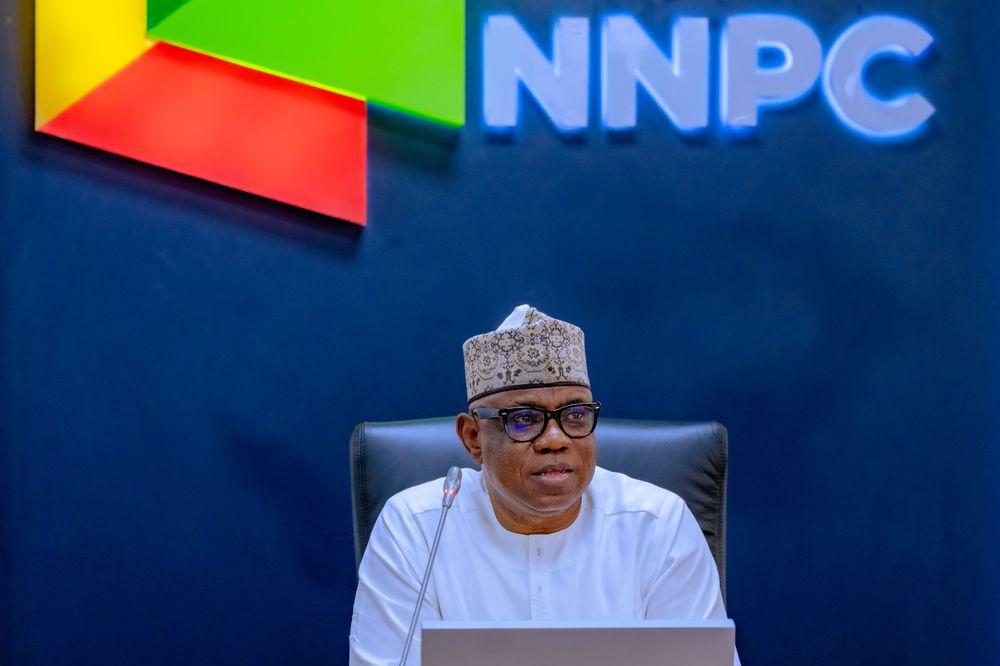
A review of the 13-page order document showed that the Nigerian government is offering investors better and clearer tax treatment to improve the economics of qualifying deep offshore projects.
This approach aims to lower the tax burden for developing these costly fields, improving returns and making them more appealing to investors.
For companies thinking about investing billions in a project that could take years to develop, the certainty from a clear fiscal framework can be as important as the size of the incentive itself.
The new order has created a specific framework for the government and potential investors to work in a fair and beneficial environment.
What does Nigeria get in return?
The government says the policy is not just about bringing in foreign money.
President Tinubu has stressed that the new investments should also bring real benefits for Nigerians.
The approved projects are expected to create jobs for local engineers, welders, technicians, marine workers, and other professionals. It is also expected that local companies will gain opportunities in areas like fabrication, marine services, logistics, and engineering.
Additionally, the government wants more local fabrication, equipment supply, technical services, and training instead of outsourcing everything abroad. The projects should help Nigerian workers gain the specialized skills needed in the offshore oil and gas industry.
Authorities believe that increased demand from major offshore projects could help Nigerian businesses grow and take part in more advanced areas of the energy value chain.
Will the government policy translate into real impact for Nigerians?
A key question about the government’s new policy is: How will it benefit the average Nigerian? Will the government lose money by giving tax breaks to international oil companies?
Tax incentives mean the government may give up some tax income it could have gotten from projects. The government argues that without these incentives, some projects may not be developed at all.
If the incentives attract new investments, the government could eventually gain from increased oil production, royalties, taxes from other sectors, jobs, and wider economic activity.
The real test will be whether the economic benefits from new investments outweigh the lost revenue from the incentives.
Also, will the benefits reach local communities? Many oil-rich areas in Nigeria have suffered due to pollution from oil fields.
What should Nigerians watch out for?
Many Nigerians will judge the success of the new policy not just by the investment amounts but by the direct impact on them.
Key indicators will include how environmentally friendly the projects are, how much of the $50 billion is actually invested, how many stalled projects reach Final Investment Decision, how much extra oil and gas the projects produce, and how many Nigerians get jobs.
Other important issues include how much project spending goes to Nigerian companies, how much equipment and infrastructure is made or assembled in Nigeria, and whether Nigerian workers and companies can gain lasting skills after the projects end.
Prospects
The new deep offshore incentive framework aims to tackle two issues at once.
Nigeria’s move to unlock billions in investment that has been on hold due to difficult economics and uncertainty in deep offshore projects has caught global attention.
While the government wants to ensure these investments benefit Nigerians, rather than just increasing crude oil exports, a clear effort to boost environmental protection rules could build trust in Nigeria’s climate change goals.
If the new deep offshore policy works as planned, Nigeria could see new offshore projects, more oil production, more jobs, stronger local businesses, and better technical skills.
But the real measure of success will be what happens after the announcements: how much money is actually invested, how many projects are developed, how much oil is produced, how sustainable the projects are, and how much of the economic value stays in Nigeria.




Comments
No comments yet.