INEC forms AI unit to fight election misinformation for 2027 elections
INEC has established an AI unit to fight misinformation as the 2027 elections approach. The unit aims to enhance trust in the electoral process.
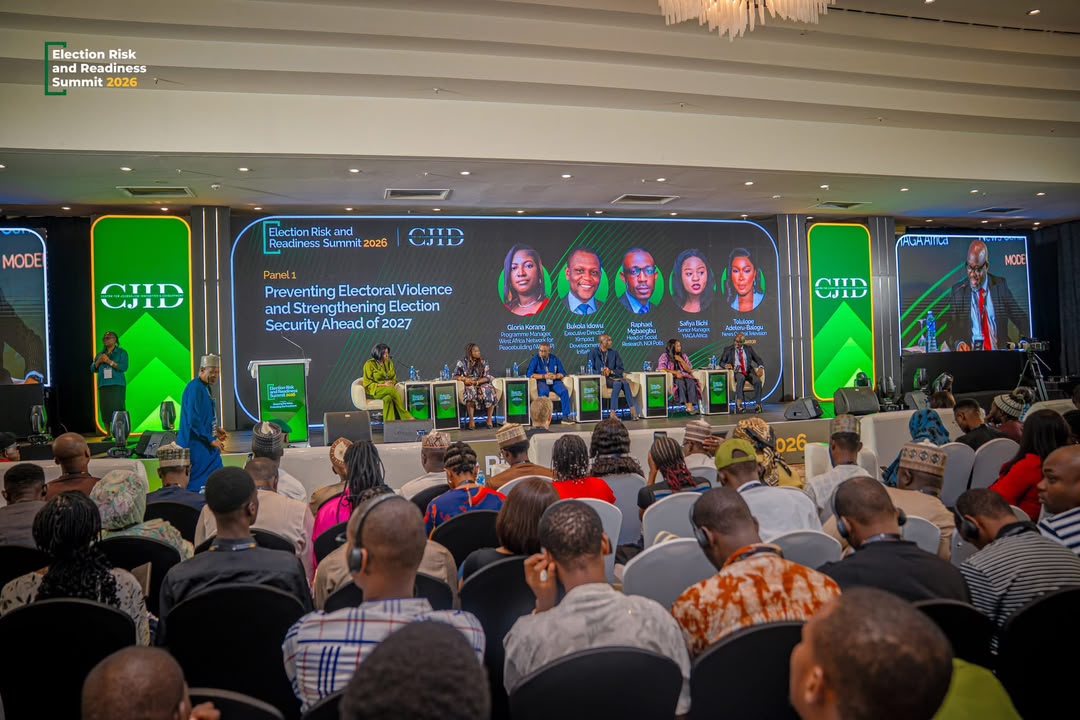
The Independent National Electoral Commission (INEC) has set up an Artificial Intelligence (AI) unit in its Information and Communication Technology Department. This move is to fight misinformation and fake digital content as the 2027 general elections approach.
INEC Chairman, Joash Ojo Amupitan, shared this news on Wednesday during the Nigeria Election Risks and Readiness Summit 2026. This event took place in Abuja and was organized by the Centre for Journalism Innovation and Development (CJID).
Mr Amupitan, represented by his Chief Press Secretary, Adedayo Oketola, said the commission is boosting its ability to spot and deal with new forms of digital tricks. This includes deepfakes, artificial voices, and fake videos.
He warned that such false content could shake people’s trust in the electoral process. It could also discourage voter turnout and lead to panic or violence, especially when spread through organized online efforts.
He mentioned that INEC is working closely with media organizations, fact-checkers, and civil society groups. This is to make sure that the public gets correct information quickly.
These concerns from INEC come as more attention is being paid to how digital platforms and AI are being used to sway political views ahead of the 2027 elections.
Earlier, PREMIUM TIMES reported that the Inspector-General of Police, Olatunji Disu, praised CJID and its fact-checking project, DUBAWA. He recognized their work in spotting and exposing threats to electoral integrity, including foreign information meddling, AI-created misinformation, and organized online campaigns.
Mr Disu cautioned that fake videos, altered audio, and coordinated false stories could distort political participation. This would hurt public trust and could even lead to violence. He pointed out that elections can be undermined by false information even without physical violence.
Besides tackling misinformation, Mr Amupitan said the commission is also improving election-day operations. This includes buying around 57,000 new Bimodal Voter Accreditation System (BVAS) devices and replacing batteries in old machines.
He added that INEC is providing climate-controlled storage facilities across states to keep election materials safe.
According to him, the commission has cut down the number of voters per BVAS device from 1,250 to 850. More devices will be sent to polling units with larger voter numbers. This change is expected to cut down accreditation time to one or two minutes.
INEC plans to hire about 1.41 million temporary staff for the 2027 elections. Around 700,000 will be used for the presidential and National Assembly elections, while another 700,000 will be for the governorship and State House of Assembly elections.
The commission also announced an extension of the registration period for temporary staff from two weeks to two and a half weeks.
The presidential and National Assembly elections are set for 16 January 2027. The governorship and State House of Assembly elections will take place on 6 February 2027.
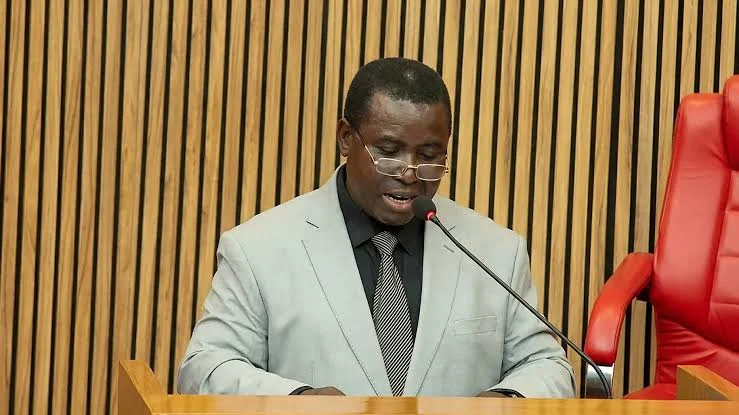

Mr Amupitan urged journalists and other stakeholders to finish their accreditation on time. He explained that these deadlines are set by the Electoral Act and cannot be moved around.
He said INEC is collaborating with security agencies and political parties to spot potential trouble spots and improve security measures.
The commission is also using its Election Risk Management tool to identify areas at risk of violence and other disruptions. This tool will help in planning security for the 2026 Osun governorship election.
The summit also included a panel discussion called “Preventing Electoral Violence and Strengthening Election Security Ahead of 2027.”
The session had Gloria Korang from the West Africa Network for Peacebuilding (WANEP), Bukola Idowu from Kimpact Development Initiative, Raphael Mgbaegbu from NOI Polls, and Safiya Bichi from YIAGA Africa. Tolulope Adeleru-Balogun from News Central Television moderated the discussion.
The panel focused on election violence and security. This was part of wider talks at the summit about being ready for elections and keeping those involved safe.
Mr Amupitan condemned political violence and attacks on journalists, election officials, and party supporters. He warned that these incidents could harm democratic participation and the trustworthiness of elections.
He said INEC is working with the police, political parties, and security bodies through the Inter-Agency Consultative Committee on Election Security. This is to tackle threats before, during, and after the elections.
The commission also called for responsible political communication. They urged political parties and their supporters to avoid making inflammatory statements or taking actions that could raise tensions.
Earlier at the event, the European Union Ambassador to Nigeria and ECOWAS, Gautier Mignot, said fair elections need more than just voting and announcing results. They also depend on a fair pre-election environment, access to reliable information, and a transparent way to settle electoral disputes.
Mr Mignot mentioned that the integrity of Nigeria’s elections affects democratic stability in West Africa.
In the same vein, Norway’s Ambassador to Nigeria, Svein Baera, called for the protection of journalists, fact-checkers, editors, election officials, and observers. He said those working to ensure electoral integrity should do their jobs without fear. He also praised CJID and its partners for supporting media development and efforts to strengthen accountability and democratic processes in Nigeria.


Comments
No comments yet.