INEC warns that AI misinformation could threaten 2027 elections
INEC warns that AI-driven misinformation could threaten the credibility of the 2027 elections. They are auditing their systems and preparing for a mock election.
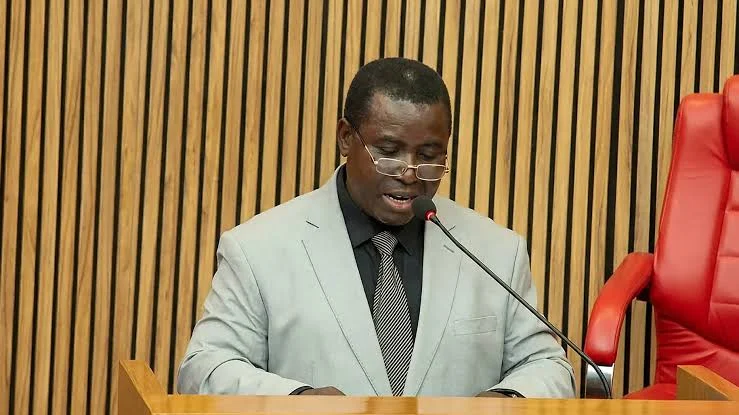
The Independent National Electoral Commission has raised an alarm that misinformation powered by artificial intelligence could seriously harm the credibility of the 2027 general elections. They are urging that electoral technology and communication should be seen as one important area.
The INEC Chairman, Prof Joash Amupitan, SAN, also revealed that the commission is doing a thorough audit of its electoral technology systems. They are also looking into holding a mock presidential election to check how ready they are before the real polls.
This information came from a statement signed by INEC’s Director of Voter Education and Publicity, Victoria Eta-Messi.
Amupitan spoke on Wednesday in Abuja during a keynote speech given by National Commissioner Sani Adam, SAN, at the 13th Annual International Conference of the Association of Communication Scholars and Professionals of Nigeria.
The conference was about “Media, Technology and Elections in Africa: Dealing with Digital Disruption and New Dynamics of Electoral Communication.”
Amupitan said the trust in the electoral commission now depends not just on the integrity of the ballot, Bimodal Voter Accreditation System, and result sheets. It also relies on how voters understand and trust the information about electoral processes.
He explained that the use of BVAS and the INEC Result Viewing Portal aims to solve long-standing issues about election transparency. This allows people to see polling unit results before they go to collation centers.
“He, however, acknowledged that the 2023 General Election showed that such technology could become a source of public doubt when it underperformed, stressing that legitimacy is earned only when systems perform reliably, are well understood, and are explained honestly when they fall short,” the statement read.
He said legitimacy can only be earned when electoral systems work well, voters understand them properly, and any problems are explained honestly when they happen.
Regarding preparations for 2027, Amupitan mentioned that the commission is checking its technology systems. This includes looking at system backups, penetration testing, and disaster recovery plans.
He added that INEC is also considering a mock presidential election before the 2027 polls. This will test voter accreditation, result transmission, and result viewing under conditions similar to an actual election day.
The INEC chairman raised concerns about the rise in the use of generative artificial intelligence to create fake audio, video, and images that could mislead voters.
He pointed out that this technology has made it cheaper to produce misleading content and harder to spot. Fabricated political content has already been seen during recent elections in West and East Africa.
According to him, the problem goes beyond just fake content. It includes algorithmic microtargeting, which allows different and sometimes opposing political messages to be sent to specific groups of voters.
He warned that such content could reach millions on social media before fact-checkers or electoral bodies can verify it.
“The danger lies not only in outright fabrication but also in algorithmic microtargeting, which allows conflicting messages to reach narrow segments of the electorate without a shared factual foundation,” he said.
Amupitan disclosed that INEC has proposed a large budget for technology and election operations. This includes new accreditation devices to replace those lost or damaged in the last election cycle.
He said the commission is still waiting for full funding to be released. However, their ICT team has started talks with manufacturers. The preparations for the technology audit and mock election are moving forward alongside finalizing the budget.
He also laid out a five-point plan to improve the commission’s response to new challenges in electoral communication.
The plan includes combining technology and communication planning, creating a quick-response system to counter false information quickly, sharing known weaknesses and safeguards, working closely with media scholars, fact-checkers, and technology platforms, and investing in public media education.
Amupitan said the commission cannot treat technology and communication as separate parts of election management anymore. He called on media professionals, technology experts, scholars, and others to join INEC in building public understanding and trust in the electoral process before the 2027 elections.


Comments
No comments yet.