INTERVIEW: Changes in the SSS, DG, Oluwatosin Ajayi
In this interview, SSS DG Oluwatosin Ajayi shares insights on agency reforms and the importance of media relations in security efforts.
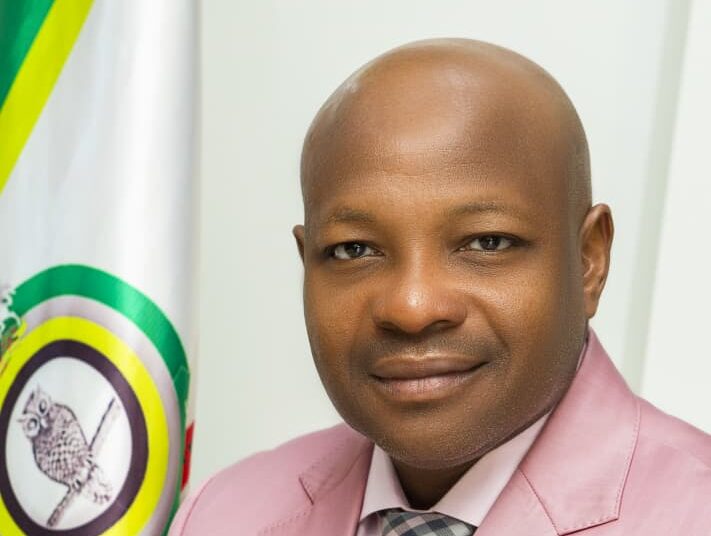
In this special interview, the Director General of the State Security Service, Oluwatosin Ajayi, talks about the agency’s reforms, working with international partners, and tackling terrorism and other crimes.
EXCERPT:
PT: Thank you for finally agreeing to this interview after several attempts.
DG SSS: You are welcome. I decided to do this to improve the relationship between the media and security agencies in Nigeria. It is not unusual for intelligence agencies worldwide to engage with the media when necessary. For example, the current Director of the Federal Bureau of Investigation (FBI) held a public briefing on September 16, 2025. He discussed their fight against criminal groups, terrorism, and drug traffickers. The MI6 Chief also gives public speeches each year to build trust and explain threats.
PT: Your Service is now 40 years old. That’s a big milestone. We expected some celebration, but it seems quiet. Can you share your experience over the years? What has it been like?
DG SSS: Intelligence agencies don’t usually celebrate publicly; we prefer to celebrate internally. Also, the mood of the nation doesn’t call for it right now. I grew up in the Service. I started as a Cadet Officer and worked my way up. So, I have seen the challenges and strengths of the system. What I’ve done in the last two years reflects my earlier leadership roles.
I’m building on the successes of past management, addressing weaknesses, and enhancing strengths. One visible result is strict law enforcement, which helps society. The convictions of terror suspects show this. Another key point is the improved cooperation with other agencies and foreign allies. I’m sure you’ve noticed that. We are also focusing on respecting Human Rights. When we make mistakes, we compensate victims quickly without waiting for court orders. For example, in a N10 million compensation case, we added N10 million because the victim deserved more. We also provided full medical treatment. We have a zero-tolerance policy towards unethical behavior. We do not keep such staff in the Service. We have strict disciplinary measures and inform the public. The goal is to address misconduct proactively to prevent former staff from committing crimes in our name. That’s what I have focused on in the past two years.
PT: Can you tell me about specific reforms?
DG SSS: The reforms fall into five areas: law enforcement, accountability, respect for Human Rights, and improving our infrastructure and administration for better efficiency.
PT: Before you became DG, the DSS was criticized for arbitrary arrests and mistreating suspects. What actions have you taken to improve this?
DG SSS: We clearly separated civil matters from criminal cases. My career taught me that we often mixed them up. I appreciate the media for the three awards I received from IPI, NUJ, and BON. You cannot use force in civil matters. Even some criminal cases don’t need force. Take the case of Pat Utomi. Instead of arresting him, we sought a court decision. The court ruled that his actions were unconstitutional and illegal. Similarly, when SERAP wrongly accused two DSS operatives, they went to court with my approval. No one was arrested, and the court awarded them over N100 million.
The case involving Sowore is similar. When he went to court, the court asked if we opposed his bail, and we said no because he hadn’t been arrested. He was granted bail on his own recognizance. Any later issues were unrelated to the Service, and the court revoked it but later granted him bail with conditions.
PT: So, you now take civil cases to court?
DG SSS: Yes. I instructed my team that there should be no arrests in civil matters. Even in cases involving journalists, we would rather go to court. I see journalists as our professional colleagues. While you inform the public, we inform the Government. Our information is classified until we declassify it.
PT: Journalists might disagree with you because, before your tenure, your agency had a bad record regarding press freedom.
DG SSS: You can confirm that no journalist has been victimized under my watch. When issues arise, we respond quickly and apologize. For instance, I apologized for an error involving a journalist in Plateau State, and the NUJ President confirmed it. This was one reason I received the NUJ MAN OF THE YEAR award for 2026.
If we need to question a journalist, we go through the IPI, the NUJ, or other relevant bodies.
PT: What changed in the relationship between your agency and the media? It was very tense before, and your agency was known for violating press freedom and journalist safety. What changed?
DG SSS: The change is that I believe civil matters should not involve force. We have a duty to protect journalists’ rights. I have seen many things we could handle better, and I apply those lessons.
Journalists do similar work to us. Sometimes, we need their information, so using force against them makes no sense. If there is an issue, we can contact the NUJ President, the IPI, or other known organizations. That’s why I believe we must protect journalists and let them do their jobs. Our focus is on terrorists and criminals, not on fighting our partners. We can resolve differences through dialogue or court interpretation.
PT: People are surprised that an agency once seen as hostile to the media now has a strong relationship with it, even receiving several awards.
DG SSS: As I mentioned, the change is our respect for people’s rights to do their jobs. If a journalist publishes something inaccurate about the Service, my first step is to ask for a correction, not to make an arrest. We have done this many times. For instance, when some media reported that the DSS invaded the Lagos State House of Assembly, we asked for a retraction within seven days. When they complied, we took no further action because that’s the right civil approach.
The same happened with a report alleging that the DSS was involved in moves to impeach the Senate President. We clarified the facts and requested a retraction. If there’s no compliance, we seek redress through the courts, not arrests. That’s the approach we took with SERAP and Sahara Reporters.
PT: Where are you with SERAP? Is there a way to resolve this without going to court?
DG SSS: We are open to discussions if they apologize. We did not invade SERAP, and the court ruled in favor of the two operatives who sued for defamation. They chose to appeal, and we respect that right.
I want to emphasize that if I, as the leader, can tell my staff to apologize when wrong, that is significant. It shows courage to admit mistakes and to compensate victims without waiting for the court to order it. If you wrong us, should you turn it into a pity party instead of apologizing?
PT: Let’s discuss your agency’s past record of arbitrary arrests and long detentions without justice. You’ve been paying compensation lately. What led to this change?
DG SSS: The simple reason is that you cannot hurt someone, acknowledge it was a mistake, and refuse to offer restitution. Even morally, restitution is important. Sometimes it helps heal trauma or provides resources to help someone reintegrate after we disrupt their life. We often follow up to see how we can assist the victim in getting back on track. For example, the initial compensation amount is just part of the story; we went further by setting up a business for a victim, and he is now an employer.
PT: What happened to the Jos man?
DG SSS: He was mistakenly shot, and in 2016, a court ordered the Service to pay him N10 million.
PT: In 2016?
DG SSS: Yes, it happened then. The Service did not pay. I take responsibility and won’t justify that.
When I became DG, I ordered a review of such cases because we needed to correct past mistakes. As the Yoruba say, "when you wake up, that’s your morning." It’s never too late to do the right thing. The President asked me to do things differently, respect people’s rights, and uphold the reputation I had built. That guided my decisions. Our review showed we were wrong in some cases.
Compensating for operational mistakes is not unusual. Countries like the UK do the same. After our medical team assessed his condition and found it had worsened, we offered him treatment and approved an additional N10 million to help him rebuild his life. For me, it is about justice, accountability, and building public trust in the Service.
PT: You call this restorative justice. Your agency has paid about 300 million Naira in compensation. What other cases are there?
DG SSS: There are several. One case involved a businesswoman in Abuja who was mistakenly arrested while delivering goods during an operation targeting oil thieves. Once we confirmed her innocence, we paid her an initial N10 million and helped her rebuild her business.

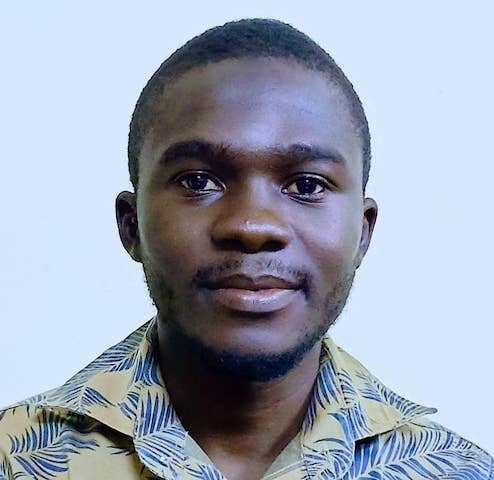
Another case involved the Ifedi couple, who were arrested before my time and held in Wawa. It turned out they were not terrorists. The woman’s only link was that some IPOB members ate at her restaurant, which wasn’t enough to label her a member. I ordered their release, compensated the professor, and we’re discussing how to honor his late wife by acquiring and rebuilding the restaurant. There are many cases across the country where people were wrongfully detained and later compensated.
One lesser-known case involved an operation in Cross River State. Our operatives were chasing a notorious kidnapper who escaped into a student area. During the operation, four female students had their phones damaged. When I learned of this, I directed that their phones be replaced. They insisted they only wanted their devices repaired, which showed their integrity. I also approved scholarships to support their education. For me, that’s how we should respond when innocent people are impacted during operations.
PT: Was this in addition to their phones?
DG SSS: Yes. I have three children in university, and I can imagine how they’d feel seeing armed men damaging phones. I understand the trauma and wanted to help. I could share more, but the total amount is certainly higher than N300 million, and some cases don’t make it to the press.
PT: What is the philosophy behind this restorative justice within an intelligence agency?
DG SSS: The philosophy is that the Intelligence Community values people as its greatest asset, not just technology. For intelligence work, you need people. An Intelligence Service that alienates itself from the public may struggle to gather reliable information. Although our activities are often secret, we try to connect with the people. Some of our humanitarian efforts across local governments have not been publicized. One chairman even said, "Look at what the DSS did for our people." We have offices in all 774 local governments and 37 state commands. When people are hurting or feel wronged, they may not provide information, which can harm them.
PT: Following what you said, I’m curious: is there a link between this and your recent recruitment drive targeting orphanages? How did that come about?
DG SSS: It’s part of our belief that people are our greatest intelligence asset. Human intelligence is more valuable than technology because people can provide context and answer questions. That’s why I believe in treating people fairly and correcting injustices. When people trust you, they are more willing to collaborate. In security, we say that one effective counterterrorism measure is "reducing areas of discontent."
PT: Are you suggesting those in orphanages are discontented, or do you see them as valuable human assets?
DG SSS: No. They are part of our society that can easily be overlooked, making them vulnerable. They can be very useful if we pay attention. Those we’ve recruited have performed well. I’ve done this before becoming DG in every state where I served. I remember one recruit who stayed in the orphanage and helped guide others to become better citizens. They are part of our human assets, but without deliberate action to involve them, they could be forgotten. Interestingly, some of our best talents come from there. I have been doing this quietly for a long time.
PT: Are these people graduates?
DG SSS: Graduates are recruited into the officer cadre, while others are brought into our junior cadre with a First School Leaving Certificate. After that, they train in the Service.
PT: You’ve mentioned intelligence. Some believe your agency only provides intelligence that pleases the government. What do you say to that?
DG SSS: Some say we only act after crimes happen, but much of our intelligence work is classified, so the public doesn’t see it. Our job is to provide intelligence to the government and sister agencies and advise on the security implications of policies. We don’t just tell the government what it wants to hear. Our intelligence helps prevent attacks, rescue victims, identify perpetrators, and make arrests. While many successes are confidential, recent cases of arrested suspects planning terrorist attacks show that preventive intelligence is indeed working.
PT: If you gather all this intelligence, why doesn’t the government do more to prevent these attacks?
DG SSS: I acknowledge that attacks still occur, which may overshadow our efforts. For example, a parent whose child was kidnapped does not care if we prevented 200 attacks. For them, it feels like we haven’t succeeded. I recognize we need to improve. The President continuously emphasizes the need to protect Nigerian lives and reminds us that "Nigerians are eager to celebrate peace." That’s what matters, and we must do more.
But regarding intelligence sharing, what about attacks that already occurred? Worldwide, it’s impossible to completely eliminate crime. We owe it to this generation and future ones to reduce crime as much as possible.
If we consider that we have been in the intelligence business for 40 years, you can imagine the global threats today and how even the most powerful nations are dealing with internal insurgencies and violent crimes. Thus, intelligence globally cannot be perfect. I can’t claim it’s 100%. Even when we gather solid intelligence, challenges such as capability, terrain, and strategic decision-making arise. That’s why presidential actions on State Police and forest guards are strategies to enable vulnerable communities to defend themselves.
Consider our proximity to the Sahel and the tough terrain around Lake Chad. The Niger Delta militancy and the complexities of navigating those creeks are unique challenges that need strategic solutions. If a state has its own police familiar with the terrain, they can deploy more effectively. The federal authority cannot handle everything alone.
PT: Just a follow-up: do those factors you mentioned contribute to the slow response? People feel that security should respond quickly, like in the Oriire attack in Oyo, where victims were held for weeks before being rescued. Many think the response was too slow.
DG SSS: I can tell you that as soon as the incident occurred, based on reliable intelligence, troops pursued them immediately. Sadly, a vigilante and a policeman lost their lives. During the second raid, more lives were lost, totaling nine fatalities, four civilians and five security personnel. It was a complex operation involving a two-and-a-half-year-old child who couldn’t run if we invaded the area.
As expected, the rescue operation attracted a lot of false information on social media. You need to sift through that. For example, while this incident was happening, deepfake videos of children with injuries were circulating, but they were actually from another country involving witchcraft. Recall that the victims reported being treated well by the kidnappers. Some Nigerians understood that a soldier died and that lives were lost during the rescue, and they empathized, knowing the nature of the kidnap group, which is an international terrorist group linked to Al-Qaeda.
Citizens need to understand that the captured leaders of this kidnap group were arrested last year by the Service. Their arrest prevented high-profile attacks. These are the people involved in the Abuja/Kaduna train attack and were planning to kidnap foreigners, students, women, and children. They aimed to demand state recognition and freedom to practice their religion. Their leaders are now serving life sentences, and we will push for tougher penalties for their collaborators.
PT: How would you evaluate the relationship between your agency and other agencies in Nigeria and with foreign intelligence partners? Where are the gaps, and where is cooperation the strongest?
DG SSS: Locally, our intelligence-sharing is strong. Over the years, we have worked with allies in the US, UK, France, and other European nations. After sharing intelligence, we decide where we need joint operations. Remember, around 2000, US soldiers joined us to tackle certain threats. This collaboration has been helpful. One of our strengths is our openness, and we get support when needed. We also help our partners. Openness and honesty are our greatest strengths. Can it improve? Yes. We can achieve more with the current liaison.
People often misunderstand this, and we need to keep educating them.
PT: What about inter-agency rivalry? How do you manage that?
DG SSS: Leadership plays a big role in this. When rivalry occurs, it’s usually because a leader encourages it. My operatives know I promote cooperation and joint operations. I commend the leadership of all agencies; we have a good working relationship. This was evident during the Oriire operation in Oyo State. No single agency could claim all the credit. It was a joint effort, and you saw how the GOC acknowledged all participating agencies: DSS, Navy, Air Force, Police, NSCDC, and vigilantes. Rivalry thrives only when leaders allow it. This current leadership does not.
PT: Earlier, you mentioned sentencing, including life sentences and pushing for death sentences. However, we haven’t seen executions in nearly 20 years. Is there an effort to get the President to sign these death warrants?
DG SSS: A country grows with its realities. Years ago, when we faced less violence and terrorism, hesitation to sign death warrants may have been understandable. Today, with terrorists attacking innocent people in public, the situation has changed. I doubt any responsible authority would refuse to sign under such brutality.
PT: You’ve had many convictions: some life sentences and some death sentences. What are you doing differently to achieve this?
DG SSS: We focus on diligent prosecution. It’s not enough to accuse someone of a crime; you have to prove it. We are enhancing our investigations, evidence gathering, and understanding offenses because justice relies on the facts presented in court. Even a strong case can fail without convincing evidence.
PT: Thank you for this opportunity.
DG SSS: Thank you too.


Comments
No comments yet.