Is It True That Nigerians Will Pay 25% Tax on Earnings?
Senator Ireti Kingibe claims Nigerians could pay 25% tax on earnings. She criticizes government policies and urges citizens to demand change.
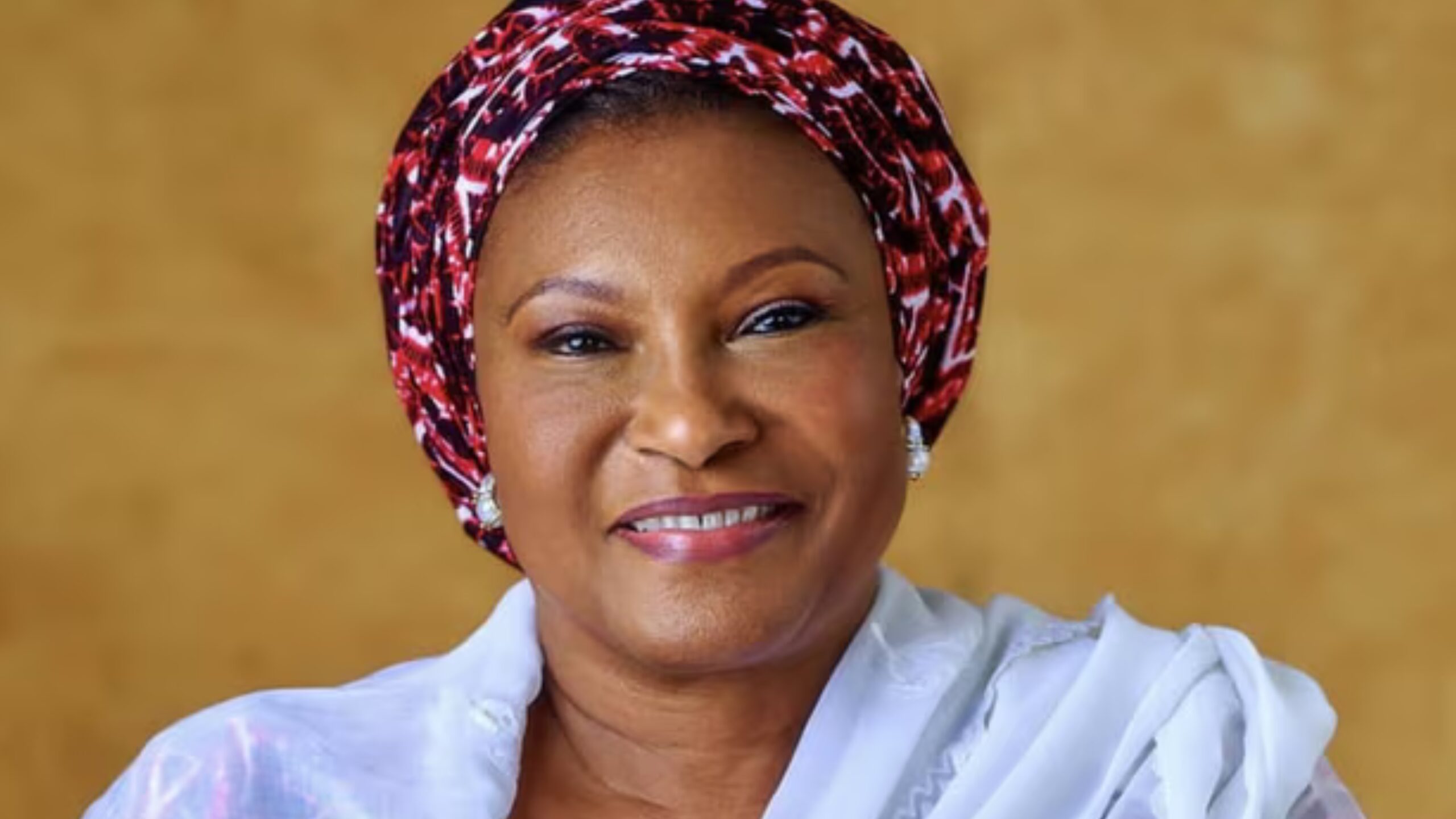
Ireti Kingibe, the senator representing the Federal Capital Territory (FCT), has claimed that Nigeria's new tax laws require every citizen to pay 25 percent of their earnings as tax. She added that the government has not put this into action because it fears backlash from Nigerians.
Mrs Kingibe, a member of the opposition African Democratic Congress (ADC), made this statement while speaking to her supporters at a gathering in Abuja. The exact date of the event is unclear, but a video of her speech, delivered in pidgin English, has spread widely on social media.
She urged her supporters to vote against the ruling All Progressives Congress (APC) at all levels. She argued that the government’s policies have made life harder for Nigerians.
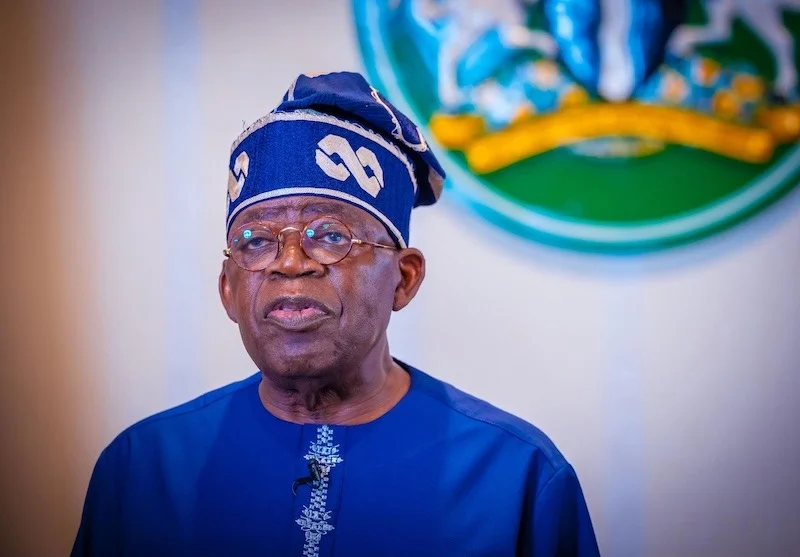
Among the policies she criticized are the four tax reform laws passed by the National Assembly and signed into law by President Bola Tinubu, as well as increased electricity tariffs.
Speaking about the tax laws, Mrs Kingibe, who is running for re-election, claimed that they include a provision requiring Nigerians to pay 25 percent of their earnings in tax. She said that even though the National Assembly passed these laws and the president approved them, they have not been enforced because the government is afraid of public reaction.
“This is our country, and we must take it back. They will not do it for us. We are the ones who must do it. If we are not happy with the state of the country, we are the ones who must change it. Nobody else can do it for us. We must stand up and say enough is enough. We have had enough.
“How do you expect people to cope? You increased electricity tariffs, but what have you done with the money? Nothing. Now, you want to increase taxes to 25 percent of everything people earn, when what they currently earn is not even enough to meet their needs.
“And all these things I have told you about have already been passed into law by the National Assembly. It is only fear that has prevented them from implementing them,” she said.
Mrs Kingibe, who was elected into the Senate on the Labour Party ticket, warned her supporters against voting for the ruling party. She said Nigerians would face more hardship if the APC remained in power.
“If you make the mistake of allowing them to continue, the kind of suffering you will experience is something you have not even begun to imagine.
“We have endured 12 or 16 years of the APC, and we have not enjoyed its government. The time to change it has come. Just as we changed the PDP when it began to make life difficult for us, the time has come to change the APC,” she stated.
Checking the Claim
To verify the claim, PREMIUM TIMES looked at the Nigeria Tax Act, 2025, especially Section 58. This section talks about the personal income tax rates for individuals, except for those earning the national minimum wage.
The Nigeria Tax Act and three related tax reform laws were passed by the National Assembly in June 2025, published in September 2025, and started on 1 January 2026.
Section 58 states: “The income tax payable on the chargeable income of an individual, other than an individual earning the Minimum Wage in line with the Minimum Wage Act, in respect of each year of assessment, shall be as specified in the Fourth Schedule to this Act.”
This provision does not set a flat 25 percent tax on every Nigerian’s earnings. Instead, it refers to the progressive rates laid out in the Act’s Fourth Schedule, which apply to chargeable income.
Under this schedule, the first N800,000 of annual chargeable income is taxed at zero percent. The next N2.2 million is taxed at 15 percent, the next N9 million at 18 percent, the next N13 million at 21 percent, and the next N25 million at 23 percent. Any income above N50 million is taxed at 25 percent.
The 25 percent rate is the highest personal income tax rate, not a flat rate applied to everyone’s earnings. The progressive system means that different parts of an individual’s chargeable income are taxed at different rates.
For example, a person with N1 million in annual chargeable income would pay no tax on the first N800,000. The remaining N200,000 would be taxed at 15 percent, leading to a tax of N30,000, assuming the N1 million is chargeable income after deductions and reliefs.
The actual tax payable depends on each person’s chargeable income and the deductions, reliefs, and exemptions they qualify for under the law.
The Act also has exemptions for minimum-wage earners. Section 58 excludes those earning the national minimum wage from the progressive rates in the Fourth Schedule. Section 162 also provides an exemption for employment income where an employee’s gross income is below the national minimum wage.
Other deductions can lower chargeable income. These include qualifying pension contributions and rent relief of 20 percent of annual rent paid, capped at N500,000, based on the conditions in the law.
Senator Insists on Claim
PREMIUM TIMES reached out to Mrs Kingibe to confirm the video and clarify her statements, especially about the tax laws.
She admitted that she told her supporters the laws require Nigerians to pay 25 percent of their income as tax. She insisted that this provision is in the legislation.
The senator also confirmed that she said the government has not started implementing the laws because it is afraid of criticism ahead of the 2027 elections.
“The tax documents. The tax reform bill is a public document, everybody can read it. It is not like I disclose a secret. It’s a public document. We have passed it, it is true. It has not been implemented yet, that is also true because I think maybe they’re afraid to implement it before the general election,” she told PREMIUM TIMES.
But the laws started on 1 January 2026, which contradicts her claim that implementation has not begun.
Tax Expert’s Comments
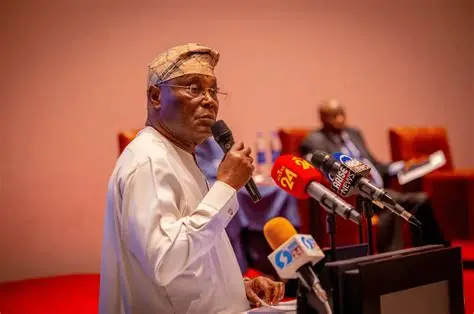
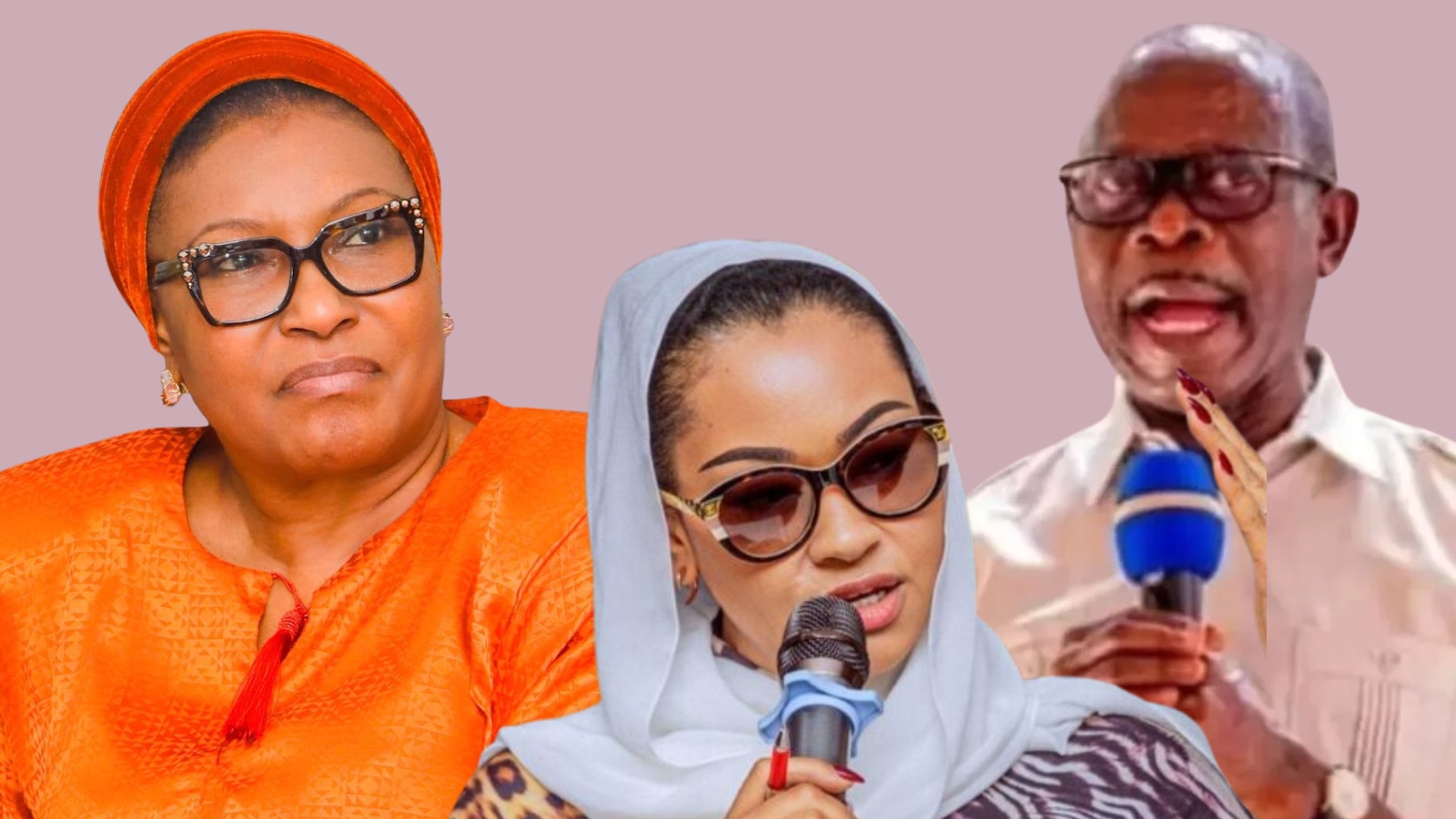
To clarify the law, PREMIUM TIMES spoke to Okey Udo, a chartered tax practitioner at Vog Global Consult and a member of the education committee of the Chartered Institute of Taxation of Nigeria (CITN).
Mr Udo said the senator’s claim shows either a misunderstanding of the law or a political motive.
“It is politically guided and ignorantly expressed. The assertion collapses on chronology and content. A statute that has been operating for 10 months cannot be one the government is ‘afraid to implement until after the elections,” he said.
He also disagreed with the lawmaker’s claim that every Nigerian must pay 25 percent of their earnings as tax.
Verdict
The claim that Nigeria’s tax laws require every citizen to pay 25 percent of their earnings as tax is false.
The Nigeria Tax Act, 2025, provides progressive personal income tax rates. The 25 percent tax only applies to the part of annual chargeable income over N50 million. It does not set a flat 25 percent tax on everyone’s earnings.
The law also allows for exemptions and deductions, including for minimum-wage earners and eligible reliefs. So, an individual’s tax amount depends on their chargeable income and the relevant laws.
The tax laws started on 1 January 2026. The senator’s claim that the government has not implemented them because it fears public criticism before the 2027 elections does not align with the law’s start date.
Mrs Kingibe, a member of the 10th Senate that passed the tax reform laws, still claims the laws require Nigerians to pay 25 percent of their earnings. But the relevant sections of the Act do not support her statement.
Comments
No comments yet.