Is the Opposition Ready for Change in Nigeria?
Nigerians are frustrated with rising prices and insecurity, but does this mean the opposition is ready for change? The ruling party still holds power amid growing public anger.
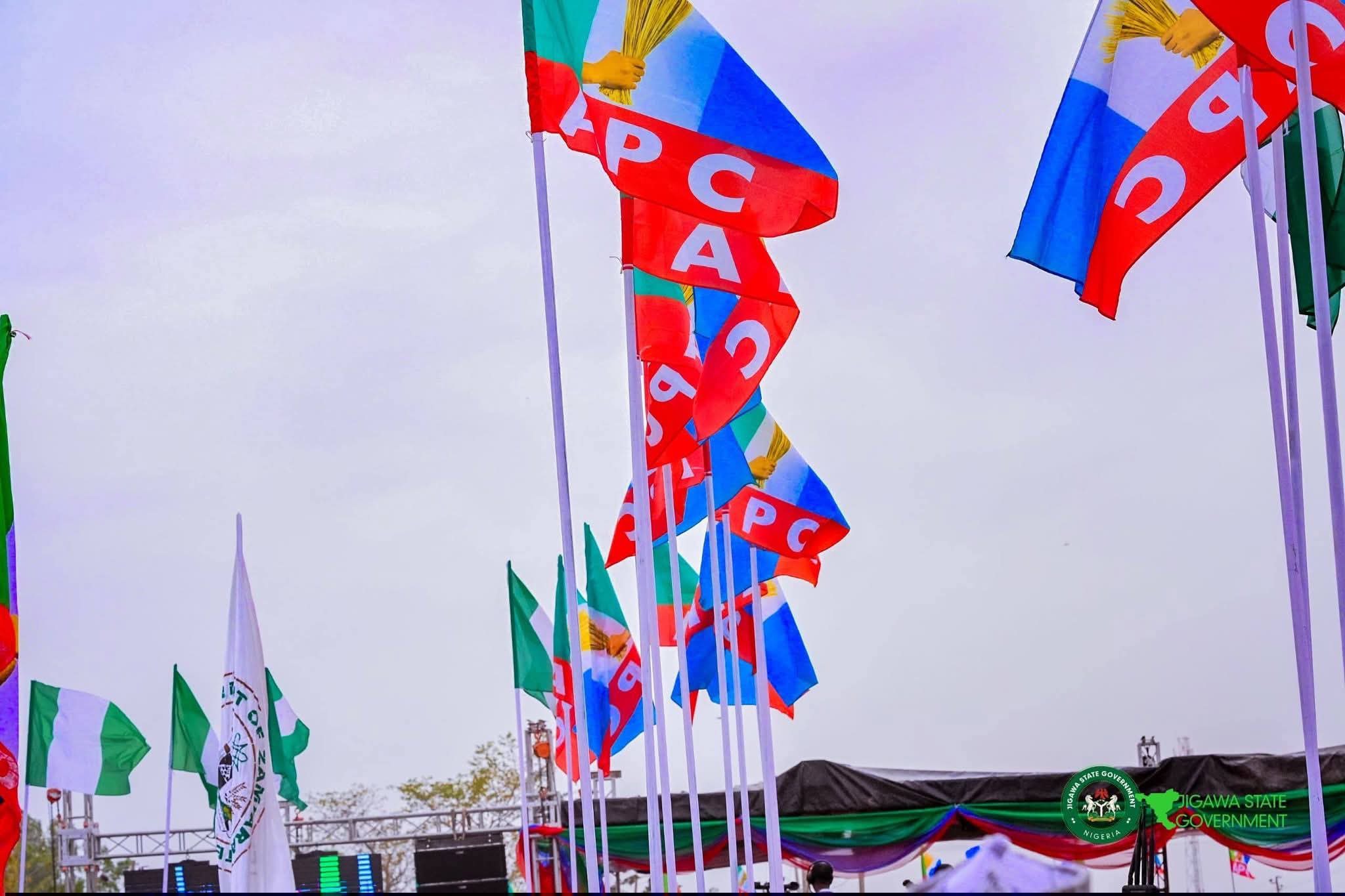
Politics can make it seem like public anger leads to political change. But that is not always true. Nigerians can be upset about rising prices, insecurity, unemployment, corruption, or poor services and still vote for an unpopular government. Governments do not lose elections just because people are unhappy. They lose when that anger is organized, when a credible alternative comes up, and when that anger turns into registration, mobilization, turnout, and votes.
Nigeria's current political situation shows a clear truth: change is in the air, but it does not favor the opposition yet. The signs of change are there, but they do not give the opposition the upper hand.
The ruling party looks vulnerable. On key issues that affect daily life, like security, the economy, corruption, and electricity, the gap between what officials say and what people experience is growing. Governments might defend their policies with numbers, forecasts, and promises of better days ahead. But citizens judge their leaders based on the price of food, transport costs, road safety, reliable electricity, and what they have left after meeting basic needs.
Politics eventually impacts daily life. Insecurity is a major issue. Nigerians face terrorism, banditry, kidnapping, communal violence, and crime in different regions. Security agencies might report successes, but citizens ask a more personal question: Can I travel without fear? Can farmers safely work in their fields? Can parents send their kids to school without worry? Can families sleep peacefully?
When these questions go unanswered, official reassurances lose their power.
The economy presents an even bigger challenge because hardship speaks to everyone. Economic reforms might make sense on paper but can become politically damaging in reality. Citizens do not experience economic changes through policy documents. They feel it when their purchasing power shrinks, food prices go up, and transport, school fees, and healthcare costs rise, making life choices harder.
People can accept hardship if they understand why it is necessary, see progress, and believe the burden is shared fairly. But when sacrifice does not show a clear path to relief, it breeds resentment.
The deeper issue is not just impatience among Nigerians. Many have trouble seeing a clear link between current pain and future gain. When hardship continues while promised benefits remain far away, reforms lose their appeal. Citizens stop listening to economic arguments and start feeling abandoned.
Corruption perceptions make the situation harder to handle. Allegations against public officials should not be seen as truth without proof and due process. But in politics, perception is key. A government asking citizens to endure tough times must be seen as showing restraint, clarity, and accountability.
If public officials are linked, rightly or wrongly, to wealth or unexplained assets, ordinary Nigerians will question why they should tighten their belts while politicians seem untouched by hardship. That question can be more damaging than any opposition slogan.
Electricity is a critical issue. Few things show the gap between national goals and daily reality as clearly as unreliable power. Businesses spend a lot on alternative energy. Manufacturers face costs that hurt their competitiveness. Families spend limited resources on generators, fuel, and inverters for a service that should be reliable.
A country may talk confidently about industrialization, jobs, and investment, but without steady electricity, those plans remain shaky.
All these pressures have weakened much of the government’s support, but the opposition has yet to take advantage because it is still divided.
But this is where the argument sharpens: the opposition’s own weaknesses become clear. Just because the ruling party is vulnerable does not mean the opposition is strong.
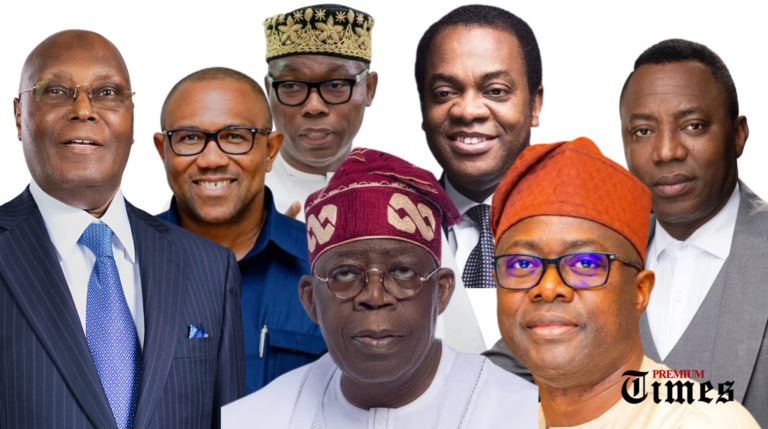
Nigeria’s opposition has strong figures. Peter Obi has considerable backing, especially from younger and urban voters. Atiku Abubakar is an experienced politician with a vast network. Other opposition leaders hold sway in significant regional or political areas.
But elections are not won just by well-known names. Popularity does not equal organization. Personal support does not create a national movement. A group of ambitious politicians does not automatically become a credible alternative government.
The opposition's main problem is fragmentation.
Too much focus seems to go into platforms, tickets, individual ambitions, and political calculations. The public sees negotiations and maneuvering, but not enough proof of a united national organization ready to take power.
Calls for opposition unity face clashes with personal ambitions and narrow party interests. Different political paths might make sense for individuals, but they risk splitting the very group that could challenge the ruling party: Nigerians unhappy with the current situation.
The biggest danger of fragmentation is that it divides votes. It also weakens faith.

A credible opposition should be answering key questions. Who leads it? What do they stand for beyond just opposing the ruling party? What plans do they have for security, jobs, inflation, corruption, and electricity? How will they handle disagreements over zoning, power-sharing, and candidate selection? How will they ensure votes are protected? How will they win over citizens unhappy with the government but wary of political parties?
Above all, it must tackle the question that every opposition movement faces: what will change the day after victory?
A coalition built only to remove the current government is fragile. Nigeria’s political history offers many examples of alliances formed in opposition that fell apart once they gained power. Voters need more than an anti-government platform. They need to see a viable alternative government, one that is coherent enough to inspire trust, broad enough to gain a national majority, and disciplined enough to handle the challenges of power.
Without that, public anger may remain without direction.
This is why voter apathy might turn out to be more important than the popularity of any candidate. INEC’s review of the 2023 elections showed that turnout for the presidential and National Assembly elections was 27.5 percent, down from 35.6 percent in 2019. These numbers challenge the false belief that widespread dissatisfaction automatically leads to electoral revolt.
Sometimes anger brings people together. Other times, it drains them.
A disillusioned electorate can become an incumbent’s biggest, though unintended, advantage: low-turnout elections reward organization. Strong party structures, loyal voting blocks, local networks, and political machinery gain power when frustrated citizens feel that voting is pointless.
This creates a cruel paradox in democracy: a government can be very unpopular and still win easily against an opposition that cannot turn dissatisfaction into action.
The same lesson applies to young voters. Young Nigerians have shown they can impact national discussions and civic activism. But social media buzz does not equal electoral organization. Hashtags do not protect polling units. Viral posts do not register voters. Online anger cannot replace voter education, community engagement, election monitoring, and turnout.
Politics remains physical, even in a tech-savvy age.
There is a greater risk for democracy too. When citizens start to think that election outcomes are set, participation loses its meaning. Democratic institutions might still function, elections happen, parties campaign, and results are declared, while public trust in the system slowly fades.
A democracy can keep its processes and lose its legitimacy.
Nigeria's next big political fight might not just be a simple clash between government and opposition but a struggle between organization and apathy, discipline and fragmentation, hope and fatigue.
The government can still lose. Hardship, insecurity, distrust, and unreliable public services have created genuine political vulnerability. But that vulnerability only matters if the opposition can turn it into a win.
To change public frustration into political action, the opposition must become more serious than it currently looks. It must compromise when needed, unite around a strong purpose, build structures across Nigeria, and offer citizens more than just the promise of removing the current leaders.
It must show that it wants not just power, but a mandate for something meaningful.
The winds of change are blowing. They carry anger, hardship, disappointment, and a growing rejection of complacency. But winds do not win elections. Organization does. If the opposition cannot transform that unrest into a credible national force, the moment may pass them by. Nigeria could be left with enough frustration to punish the ruling party but not enough to create the alternative needed right now.
Nigeria might already have enough frustration to hold the ruling party accountable. But punishment does not equal change, and discontent alone does not create an alternative.
The big question is whether the opposition is disciplined, credible, and ready enough to gain the votes of those wanting change, or if, once again, the chance will be lost to fragmentation, apathy, and delays.
Get more stories like this on your home page
How this story developed
- Is Nigeria Ready for AI in the 2027 Elections?
Is the Opposition Ready for Change in Nigeria? (this story)


Comments
No comments yet.