Lassa Fever Hits 1,000 Cases with 53 Health Workers Affected in 2026
Nigeria has confirmed 1,000 cases of Lassa fever in 2026, including 53 healthcare workers. The NCDC highlights the challenges in controlling the outbreak.
Nigeria has recorded 1,000 confirmed cases of Lassa fever and 237 deaths in 2026, according to the Nigeria Centre for Disease Control and Prevention (NCDC).
This number includes 53 healthcare workers who have been infected, showing the risks faced by those on the front lines during this outbreak.
The NCDC shared its situation reports for epidemiological weeks 29 and 30 on Monday. These reports cover the periods from 13 to 19 July and 20 to 26 July.
In the Week 30 report, Nigeria saw 17 new confirmed cases and six deaths. This brings the total to 1,000 confirmed cases and 237 deaths.
The NCDC noted that the case fatality rate rose slightly from 23.5 percent in Week 29 to 23.7 percent in Week 30.
The agency stated that 23 states have reported at least one confirmed case across 116 local government areas (LGAs). Ondo, Bauchi, Taraba, Edo, and Benue make up 86 percent of all confirmed cases.
Ondo recorded the highest share at 32 percent, followed by Bauchi at 25 percent. Taraba has 13 percent, Edo has 10 percent, and Benue has six percent.
In Week 30, there was one new infection among healthcare workers, bringing the total number of infected healthcare workers in 2026 to 53.
The NCDC said that infections among healthcare workers are a major challenge in controlling the outbreak.
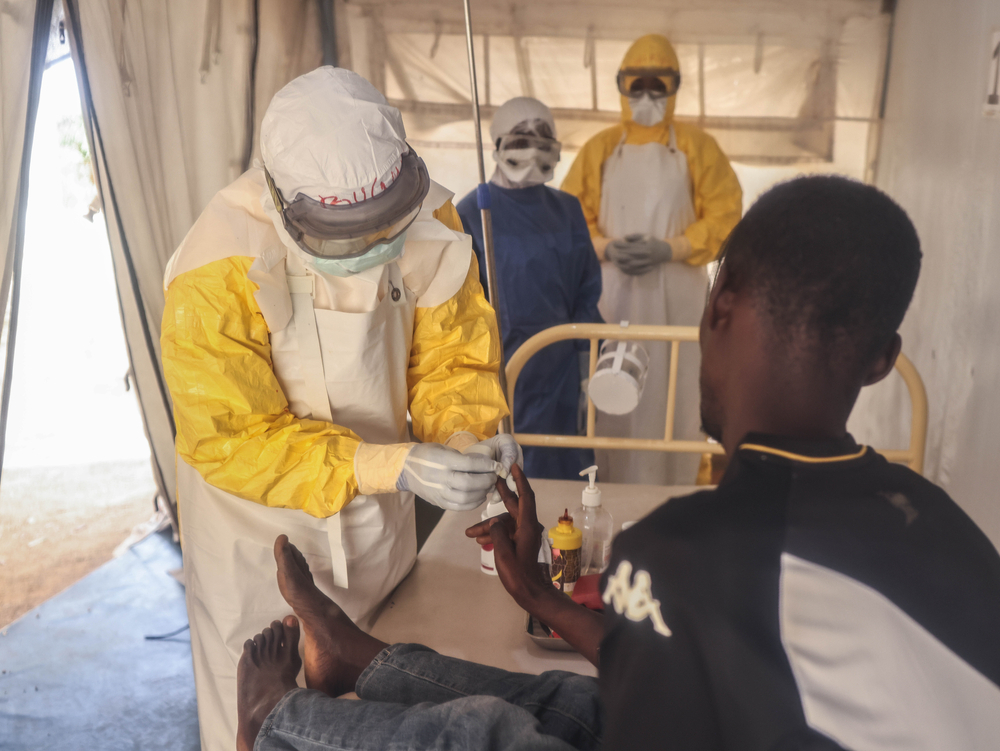
To tackle this, they have created a 30-day Healthcare Worker Protection Plan. This plan aims to reduce infections among health workers in high-burden states, with help from the World Health Organisation (WHO) and the US Centres for Disease Control and Prevention (CDC).
The agency is also training frontline healthcare workers and improving infection prevention and control programs. They are pre-positioning personal protective equipment and providing technical support to manage healthcare worker infections.
The NCDC identified late patient presentation as a key issue that raises the case fatality rate.
They also pointed out that poor health-seeking behavior is linked to the high cost of Lassa fever treatment.
Other challenges include poor sanitation, low awareness in affected communities, and infections among healthcare workers.
The NCDC recommended ongoing community engagement on Lassa fever prevention. They urge healthcare workers to suspect the disease early, ensure timely referrals and treatments, and follow infection prevention and control guidelines.
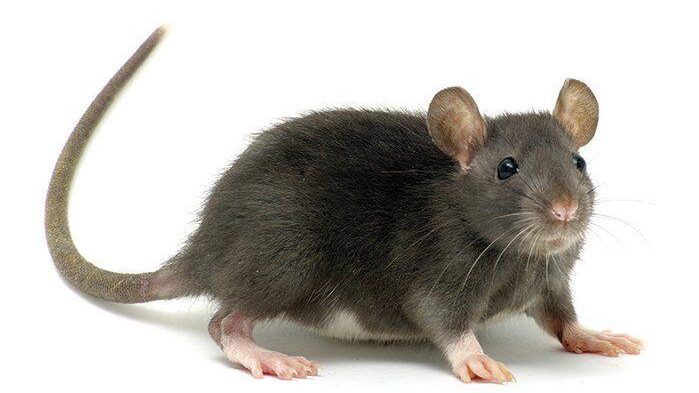
Lassa fever is a viral disease mainly spread through contact with food or items contaminated by the urine or faeces of infected rodents. Human-to-human transmission can happen through contact with bodily fluids.
Symptoms usually start with fever, weakness, and headache but can lead to severe issues like bleeding, breathing difficulties, and organ failure if not treated quickly.





Comments
No comments yet.