Moody’s gives Nigeria a positive outlook due to better foreign reserves
Moody’s has changed Nigeria's outlook to positive due to rising foreign reserves and strong economic growth, signaling a brighter future for the nation.
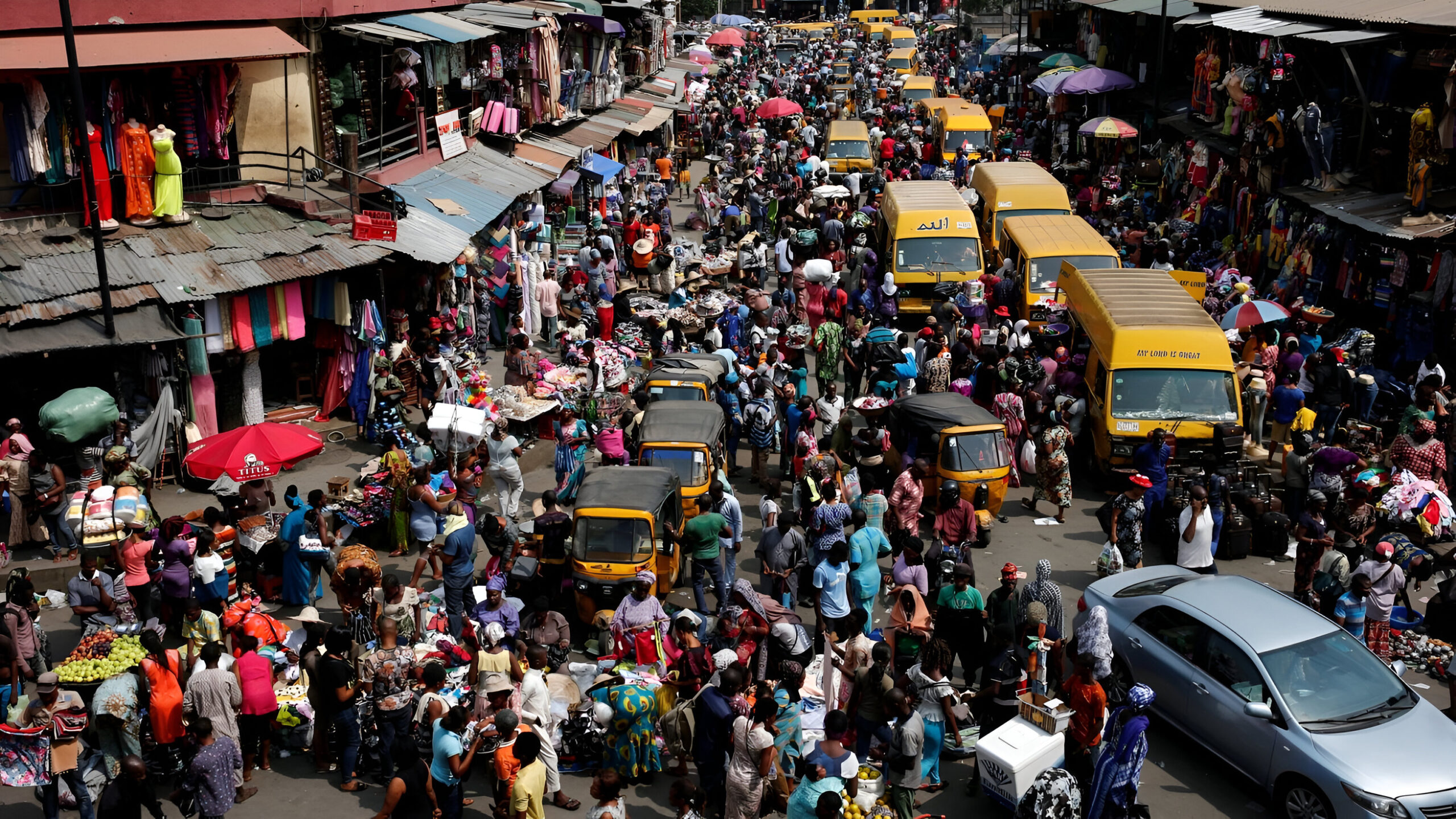
Global credit ratings agency Moody’s has changed its outlook for Nigeria from stable to positive. This change is due to Nigeria's improved external position, especially in its foreign exchange reserves.
Recently, the reserves have grown significantly, helping the economy to withstand shocks, according to Moody’s.
In a report released on Friday, the agency pointed out Nigeria’s strong economic growth. This growth is supported by relative stability in various economic indicators, which were key factors in the upgrade.
There is growing optimism about Nigeria’s external position. The current account surplus is much stronger now, and the foreign exchange reserves have increased sharply. They had dropped to $32.1 billion in April 2014 during President Bola Tinubu's currency reforms. Now, they stand at $53.3 billion, marking the highest level in at least twenty years.
Oil production levels have risen along with oil prices. This has led to significant profits for Nigeria, Africa’s largest crude producer, especially with the global supply gap following the US-Israel conflict with Iran.
On February 27, Brent crude, the benchmark for Nigerian oil, was priced at $71.3 per barrel. By Friday, that price rose to $88.3 per barrel.
Increased oil exports have contributed to the growth of the reserves. Nigeria has seen an average production of 1.7 million barrels per day over the last four months, including condensates.
The government aims to use these promising results and improved security in oil-producing regions to reach its goal of increasing production to 3 million barrels per day by 2030.
Despite the positive outlook, Moody’s maintained Nigeria’s country ratings at B3. This is because of challenges in revenue generation and limited capacity to manage debt service.

This positive change in outlook is good news for Nigeria. Recently, FTSE Russell confirmed that Nigeria will be reclassified as a frontier market starting next month.
FTSE Russell had earlier announced in March that the reclassification would take effect in September. However, uncertainties about Nigeria's transition to a shorter settlement cycle caused a delay.
In June, the country introduced a T+1 settlement cycle, aimed at improving liquidity in the equity market. However, inadequate communication around this policy led to confusion among investors, traders, and analysts.
Many now believe that the shorter clearing cycle requires international investors to prefund transactions. This strict condition could discourage foreign investment and make Nigeria less attractive for business.
This confusion led FTSE Russell to pause the planned upgrade later that month.
Arnold Dublin-Green, the MD/CEO of Renaissance Asset Management, told PREMIUM TIMES last month that Nigeria’s reclassification could attract about $800 million in foreign investments into the equity market.
He said, “The idea of the FTSE and frontier index was that the inclusion meant we are expecting a good amount of foreign portfolio inflows. Anything between $100 million to $400 million could go into the equity market.”
He also added, “Outside of that, there are active investors who will want to beat the index, and that inflow could be another $400 million or so.”






Comments
No comments yet.