More Health Workers Needed for Immunisation in Northern States
Health authorities stress the urgent need for more health workers to support routine immunisation in northern states. A recent meeting revealed staffing shortages as a major issue.
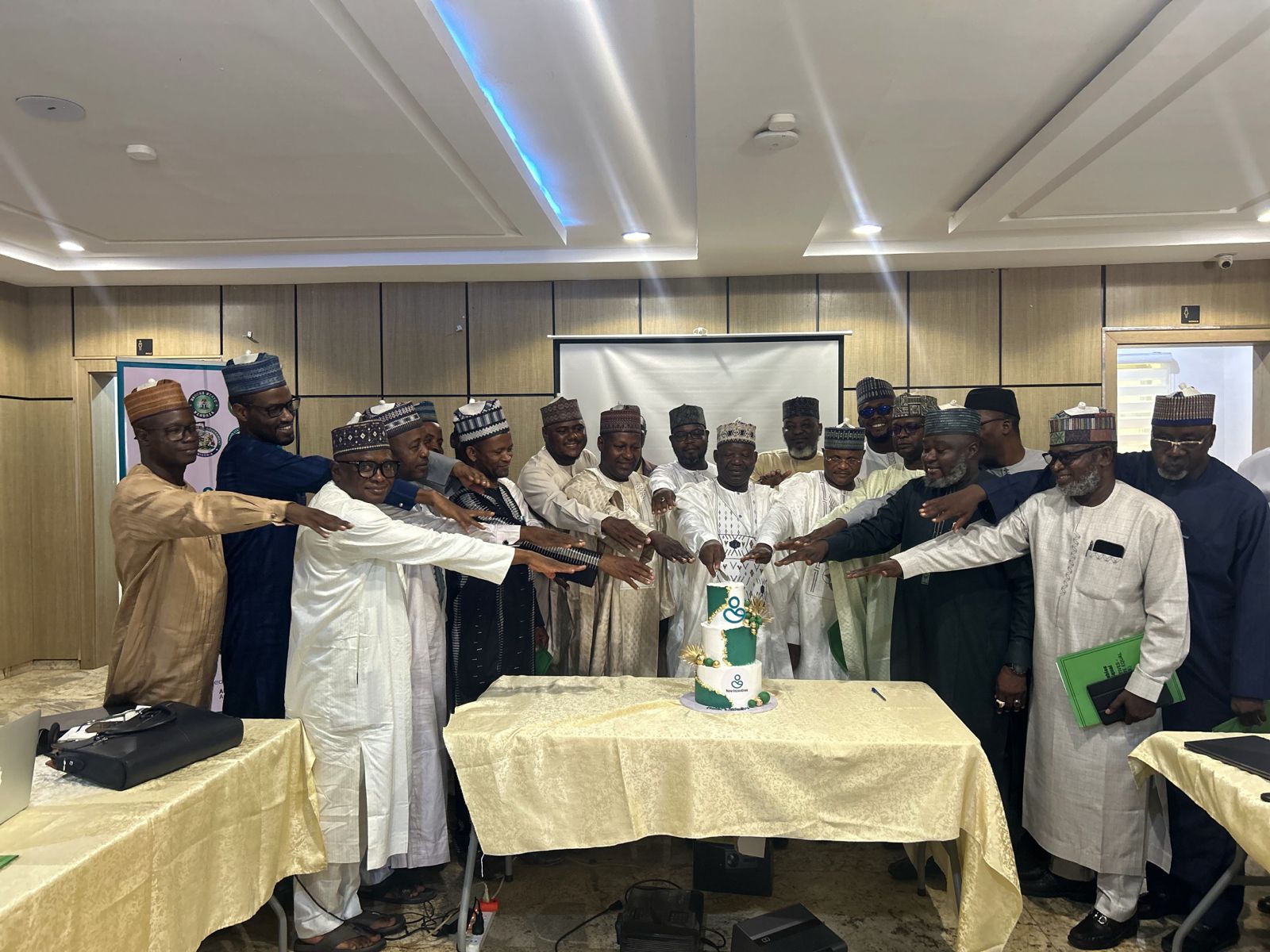
Health authorities and partners have found that not having enough health workers is a big problem for routine immunisation in three northern states.
This issue came up during a Joint States Stakeholders Meeting with New Incentives, All Babies Are Equal Initiative (NI-ABAE) that took place in Sokoto from 9 to 12 August.
A communique released at the end of the meeting pointed out that the lack of staff at health facilities is a major challenge for routine and outreach immunisation in these states.
The four-day meeting saw 34 participants, including people from the Sokoto, Kebbi, and Zamfara state ministries of health, primary healthcare development agencies, the National Primary Health Care Development Agency, the National Traditional Leaders Council, and NI-ABAE.
Lack of Health Workers
The stakeholders reported that Sokoto has 609 health facilities offering routine immunisation services, but NI-ABAE field officers cannot cover all the sessions.
They decided that more should be done to hire health workers to fill this gap and ensure that immunisation facilities are well covered.
The communique mentioned that Zamfara State has been given the green light to hire over 3,000 workers in the health sector, while Kebbi State has already brought in more than 2,800 health workers.
The stakeholders also suggested that the recruitment of field officers should continue at the ward level and that their pay packages should be improved.
Difficult terrain, insecurity, remote locations, and the mass resignation of field officers were also mentioned as issues affecting how immunisation services are delivered.
A report from PREMIUM TIMES in March stated that Sokoto, Kebbi, and Zamfara have one doctor or fewer per 10,000 people, according to the 2025 State of Health of the Nation Report.
The report also linked the health worker shortage in northern states to insecurity, poor infrastructure, and the migration of trained health workers. Community health workers are becoming more important in healthcare delivery in rural areas and primary healthcare centres.
Vaccine Supply and Data Issues
The stakeholders expressed worries about vaccine supply and management. They noted that poor planning, weak forecasting, delays in requests, and bad vaccine management lead to stockouts and waste.
They asked for better planning for routine immunisation so health authorities can better estimate the population to vaccinate and how many vaccines are needed.
The communique also pointed out inconsistencies in data from NI-ABAE, health facilities, local government areas (LGAs), and the District Health Information System (DHIS).
It suggested regular training for Local Government Cold Chain Officers on OpenLMIS, which is an electronic logistics management tool, and better monitoring of data entry.
The stakeholders agreed to ensure timely reporting of daily immunisation data and to harmonise data monthly on the DHIS2 platform.
Support for Caregivers
The meeting also looked at the Conditional Cash Transfer for Routine Immunisation programme run by NI-ABAE. This programme gives eligible caregivers N1,000 for each routine immunisation visit, helping with transport costs, waiting times, and lost income.


Caregivers who complete all six routine immunisation visits can also get an extra N5,000 grant for their livelihoods.
According to the communique, this programme has helped immunisation in 205 LGAs, 7,216 clinics, and 60,983 settlements.
It has seen over seven million enrolments, 29.2 million cash payments across 1.65 million immunisation sessions, and has encouraged over 111 million vaccinations.
So far, the programme has paid out N45.2 billion to eligible caregivers. In Sokoto, there have been 285,707 enrolments, 1,141,502 cash payments, and 4,158,183 vaccinations encouraged. Kebbi recorded 333,035 enrolments, 1,380,984 cash payments, and 5,384,599 vaccinations encouraged, while Zamfara saw 392,535 enrolments, 1,654,041 cash payments, and 5,426,843 vaccinations encouraged.
Poverty and Insecurity
Hussaini Anka, the Executive Secretary of the Zamfara State Primary Health Care Board, said poverty and transport costs are keeping caregivers in remote areas from getting immunisation services.
"It is not necessarily because caregivers do not want their children vaccinated. Some cannot afford the transport cost from their communities to the nearest health facility," Mr Anka said.
He noted that the impact of the financial support is clear among women in rural areas.
"The financial support may seem small, but it helps women in underserved areas get to health facilities for their children," he said.
The stakeholders also called for more involvement from traditional and religious leaders in promoting immunisation, including using Friday sermons to raise awareness.
The communique mentioned that insecurity continues to be a big problem for delivering immunisation services in these three states.
Sokoto asked for consideration of accessible areas in its remaining five uncovered LGAs, while Kebbi and Zamfara requested that the programme be expanded to their remaining LGAs.
Future of the Programme
The stakeholders raised concerns about how to keep the gains made through the incentive programme in the long run.
They asked for more government ownership and planning beyond the current incentive model, especially as NI-ABAE gets ready to wind down.
They also pointed out that the programme currently covers children aged 0 to 12 months, while the national immunisation schedule now includes children aged 0 to 23 months.
Therefore, the meeting recommended that the programme align with the national immunisation schedule.
The stakeholders also suggested increasing caregiver support from N1,000 to at least N1,500 due to rising transport costs.




Comments
No comments yet.