MSF alerts on diphtheria drug shortages as Nigeria faces over 1,100 deaths
Médecins Sans Frontières warns that a critical shortage of diphtheria medicine is limiting treatment options in northern Nigeria, risking more lives.
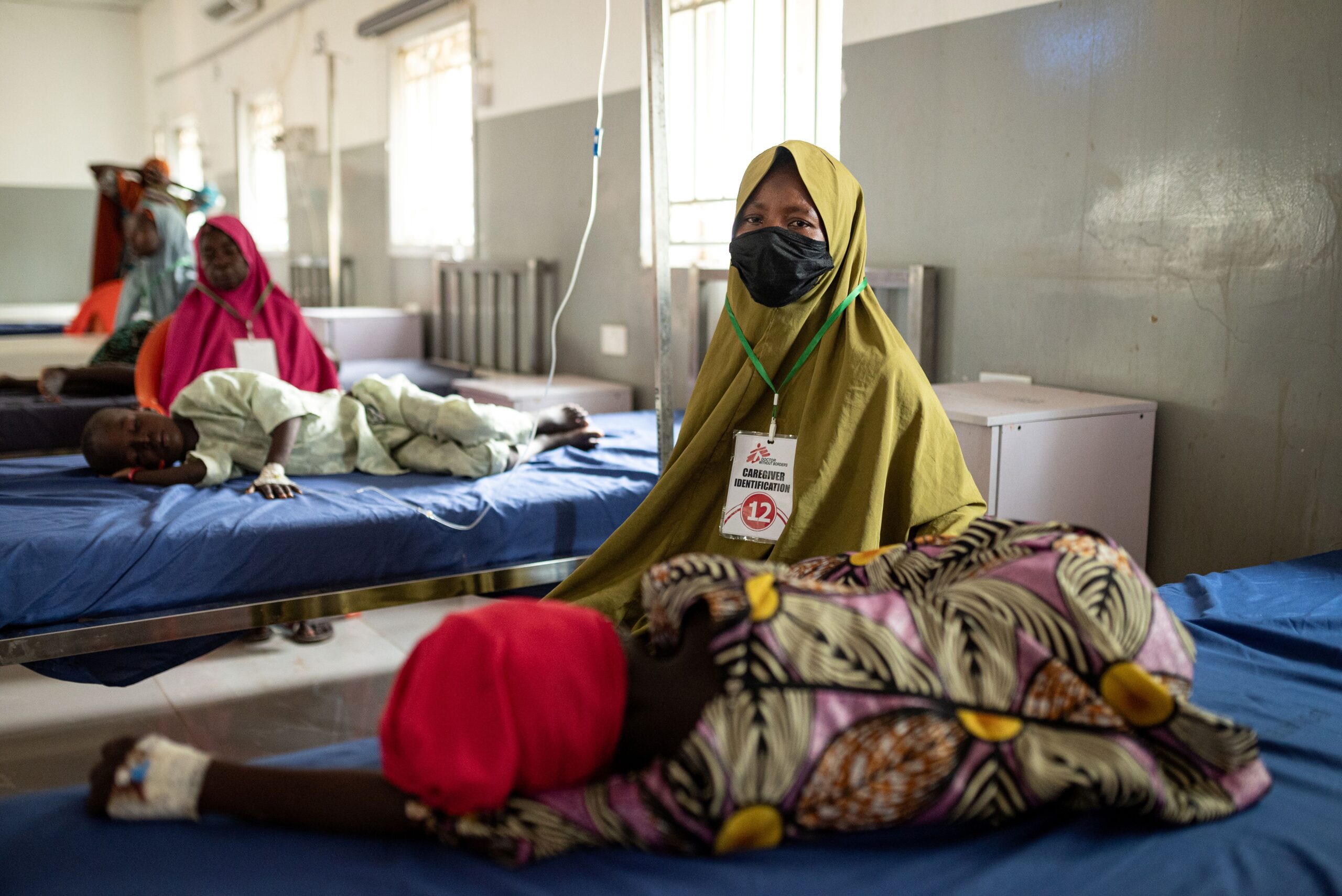
Médecins Sans Frontières (MSF) has raised concerns that a shortage of a vital medicine is forcing doctors to limit treatment for diphtheria patients in northern Nigeria. This year, over 28,000 confirmed cases and 1,100 deaths have been recorded.
The warning follows figures from the Nigeria Centre for Disease Control and Prevention (NCDC) showing that the outbreak keeps spreading, especially among children who have not been vaccinated or missed some vaccine doses.
In a statement released on Friday, MSF said the supply of diphtheria antitoxin (DAT), which helps to neutralise the dangerous toxin causing severe complications, is critically low.
The group urged the federal and state governments, donors, and international partners to quickly secure more medicines and vaccines. They also called for faster clearance at ports and better distribution to the affected areas.
Patients at risk due to treatment shortage
MSF’s Medical Coordinator in Nigeria, David Kizito, stated that the shortage could affect the treatment of severely ill patients.
"Our stocks are dangerously low, and we risk being unable to treat children and save lives as the outbreak continues," he said.
Diphtheria is a bacterial infection that can be prevented with vaccines. It can cause fever, a sore throat, and a thick membrane in the throat, which may block breathing. Serious cases can harm the heart, nerves, and kidneys.
The World Health Organisation (WHO) says diphtheria antitoxin helps neutralise toxins in the blood. Antibiotics can kill the bacteria and help reduce spread.
Early use of antitoxin is vital because it cannot repair damage once the toxin gets into the body’s cells.
MSF mentioned that limited global production and irregular availability have left hospitals struggling to get enough supplies.
They did not say which hospitals ran out of supplies, how many patients could not get treatment, or if any deaths were directly linked to the shortages.
Nigeria reports 1,126 deaths
This warning comes during a long outbreak that started in late 2022.
PREMIUM TIMES reports that a situation report released on 11 November by the International Federation of Red Cross and Red Crescent Societies (IFRC) and the Nigerian Red Cross Society shows that Nigeria recorded 37,529 suspected diphtheria cases, 28,151 confirmed infections, and 1,126 deaths as of 7 November.
The report also states that the outbreak has affected 26 states and the Federal Capital Territory, covering 361 local government areas.
Kano State has the highest number of confirmed cases, with 12,008, which is about 43 percent of the national total.
These numbers are much higher than what MSF reported recently, which used NCDC data from 9 August when 406 deaths were reported.
The difference in figures reflects data from different times and may include updates to surveillance records.
Katsina sees 70 severe cases in 18 days
In Katsina State, MSF reported treating 86 diphtheria cases from 26 October to 12 November. Out of these, 70 were classified as severe, while 16 were not severe.
Severe cases made up about 81 percent of patients treated during that time. However, these numbers do not show the severity of all diphtheria cases in the state.
MSF added that its teams reached 1,315 contacts through monitoring and contact tracing. Out of these, 1,301 were vaccinated, and 1,311 received preventive antibiotics.
They did not provide the locations of the cases or details on recoveries and deaths.
Earlier, there were concerns about health facilities' ability to handle the outbreak.
On 31 August, PREMIUM TIMES reported that the Federal Teaching Hospital (FTH) in Katsina struggled with many suspected and confirmed diphtheria patients, putting pressure on its children's ward.
The hospital linked the overcrowding to referrals from other facilities in the state.
In response, the federal government set up an emergency multi-agency task force to strengthen monitoring, vaccination, and treatment access in Katsina and Kano.
They also planned to send more antitoxin, antibiotics, medical staff, and protective gear to FTH Katsina.
Plans were also made to set up treatment centers in Katsina’s three senatorial districts, Katsina, Daura, and Funtua, to ease the pressure on the referral hospital.
MSF’s recent statement did not say if these centers are now operational or how much additional antitoxin has been provided since the intervention was announced.
Vaccine shortage in Zamfara
In nearby Zamfara State, MSF reported that its facilities in Gusau handled over 671 diphtheria admissions from around 6 October for about a month.
Most of the patients were children, and four out of five had not been vaccinated.
The group also highlighted a significant lack of vaccine supplies for an emergency vaccination campaign.
Of the 90,000 doses needed, only 25,000 were supplied, which is about 28 percent of what is required.
MSF said it is working with health authorities to get the remaining doses and to expand vaccination efforts.
The shortage shows the ongoing challenges in protecting children from the disease.
In October, PREMIUM TIMES reported that the Executive Director of the National Primary Health Care Development Agency (NPHCDA), Muyi Aina, said about 93 percent of children affected by recent diphtheria outbreaks had not received all their recommended vaccine doses.
Mr Aina noted that some had never been vaccinated, while others had fewer than the three recommended doses. He pointed out misinformation and vaccine hesitancy as issues affecting vaccination rates.
MSF’s ongoing efforts
Despite the challenges, MSF said it has treated over 9,000 diphtheria patients through community and facility-based efforts since the start of its response in 2026.
In Kano, they supported vaccination campaigns in April and June, giving more than 835,000 doses to children in partnership with the state Ministry of Health.
They also assisted with two vaccination rounds in Sokoto from February to April, reaching 49,018 children under 15.
MSF stated that they are supporting treatment, monitoring, prevention, and vaccination efforts in several northern states, working closely with health authorities.
They called for more global production of diphtheria antitoxin and steady investment in routine childhood vaccinations to prevent future outbreaks.
The latest warning also brings back attention to the emergency measures announced by the federal government in August, especially the delivery of antitoxin and plans to expand treatment facilities in Katsina.
It remains unclear how much these actions have improved access to treatment.
Comments
No comments yet.