MTN Chairman Speaks Out Against Xenophobia in South Africa
MTN Group Chairman Mcebisi Jonas condemns xenophobia in South Africa during a funeral. He highlights the need for unity and political stability on the continent.
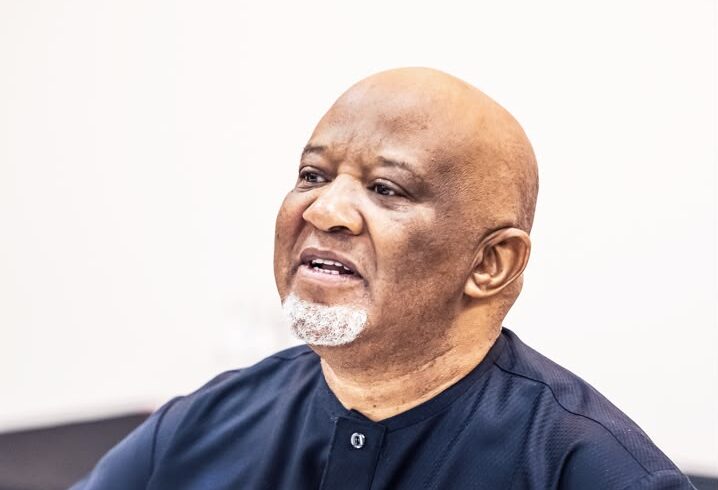
MTN Group Chairman Mcebisi Jonas used the funeral of Zimbabwean activist Thokozani Damasane to strongly condemn the ongoing attacks on foreigners in South Africa. He described this violence as a sign of state failure that politicians exploit for their own gain.
His speech, which combined personal stories and political insight, has been shared widely. It is creating discussions in South Africa about how this issue harms the country’s reputation in Africa.
Mr Jonas, who was once South Africa’s Deputy Minister of Finance, now leads MTN Group. This telecommunications company is based in Johannesburg and operates in 19 African countries, emphasizing the need for political stability and integration on the continent.
Thoughts on the Way to the Funeral
While driving to the funeral, Mr Jonas reflected on the calls for foreigners to leave South Africa. This made him think about the life he was celebrating.
“I was thinking, what is home to Damasane?” he said. “Home is where humanity is. It is about the good of humanity and striving for it.”
Thokozani Damasane was born in Zimbabwe and moved to South Africa during the time of change after apartheid.
Mr Jonas said Damasane arrived “as an outcast” and committed himself to South Africa’s struggles and its people.
“He immersed himself deeply into the struggles and pains of South Africans, and he became one of us,” Mr Jonas said. “In Damasane’s strength, our strength as South Africa and South Africans are reflected.”
Addressing the Main Issue
Mr Jonas made a strong point about whether kicking foreigners out would solve South Africa’s problems. He answered with a clear no.
“Foreigners can leave tomorrow, inequality will be with us,” he told those gathered. “Foreigners will leave tomorrow, unemployment will be with us. Foreigners will leave tomorrow, our police will remain corrupt.”
He placed the blame for the crisis on the government. “The problem is the failure of the state. The state doesn’t manage immigration. It doesn’t manage its borders.”
Mr Jonas said this failure allows politicians to manipulate the situation. “When people feel the burn, they become vulnerable to politicians whose only goal is to be elected.”
On Tribalism and History
Mr Jonas spoke critically of tribalism, saying it is a legacy of colonial rule. He argued that ethnic identity has caused violence rather than being a true African value.
“The tribe is a product of colonial powers,” he said. “They used the principle of indirect rule, dividing people by making them think they are different.”
He claimed this thinking fuels modern xenophobic violence. “It’s no longer about whether you are from South Africa or not. It’s about the tribe, who you are, and how you are different.”
Mr Jonas also criticized liberation movements for keeping these divisions alive. “Liberation movements still sustain this idea of tribes, Zulu and Xhosa, as if it is real. We must banish identity politics.”
A Lesson from Damasane
Mr Jonas remembered a conversation he witnessed between Damasane and a young man who questioned the presence of foreigners in South Africa. Damasane’s response stayed with him.
“Damasane said to this guy: just wait fifteen or twenty years. You will also be wanting to leave your country.”
Mr Jonas told mourners that these words now carry significant meaning. “As I stand here today, I look at South Africa. The level of oppression and inequality makes Damasane’s words ring loud in my ears.”
“South Africa Is Part of Africa”
Mr Jonas ended with a plea for a return to “national consciousness” that focuses on unity across Africa instead of ethnic divisions.
“We are a nation embedded in Africa,” he said. “Without Africa, our growth as a country is linked to the growth of Africa. South Africa is nothing without Africa.”
He also reminded Damasane’s children of their father’s values. “Sometimes meritocracy is measured in wealth. No. It is about values, principle, and integrity.”
“We cannot judge people by their origin,” he told mourners. “We cannot determine legal status by where they come from.”
The Bigger Picture
Mr Jonas’s comments come at a tough time for South Africa’s relationships with other African countries. Xenophobic violence, especially against people from Zimbabwe, Nigeria, and Malawi, has happened repeatedly, with major outbreaks in 2008 and 2015.
These attacks have had wider impacts. Nigeria and Ghana have called on South African ambassadors after violence against their citizens. The African Union has urged South Africa to act decisively, and South African businesses like MTN have faced boycotts.
For Mr Jonas, this issue is not just moral but also affects the business he leads. MTN’s operations across Africa depend on South Africa being viewed as a reliable and welcoming partner.
Using a funeral to make such a strong political point shows he felt this moment was urgent. It was a chance to speak plainly about a serious issue that needs attention.
Get more stories like this on your home page
How this story developed
- African delegates in China speak out against xenophobic violence
MTN Chairman Speaks Out Against Xenophobia in South Africa (this story)
- Nigeria Calls for Action Against Xenophobia in South Africa

Comments
No comments yet.