
Many people are questioning the dream of unity across Africa that leaders like Kwame Nkrumah once promoted. They point to the ongoing xenophobic violence in South Africa as evidence that many Africans do not want this unity. Both Nkrumah from Ghana and Nelson Mandela from South Africa believed that Africa should be a place free of borders, where all Africans could live and work together. But instead of this ideal, South Africa has seen a rise in violent attacks against foreigners recently.
For example, last month's protests led to at least 7 deaths and forced many businesses to close. This has pushed thousands of migrants from other African nations to flee to nearby countries. The ongoing tensions between South Africa and its neighbors could threaten the establishment of Africa's largest free trade area, undermining the dream of African unity.
The idea of a united Africa has long influenced how the continent interacts with the rest of the world. This vision is based on Pan-Africanism and backed by agreements like the African Continental Free Trade Area. But now, this dream is at risk due to a serious diplomatic and humanitarian crisis. There has been a noticeable increase in attacks on migrants from Nigeria, Ghana, and other African countries in South Africa.
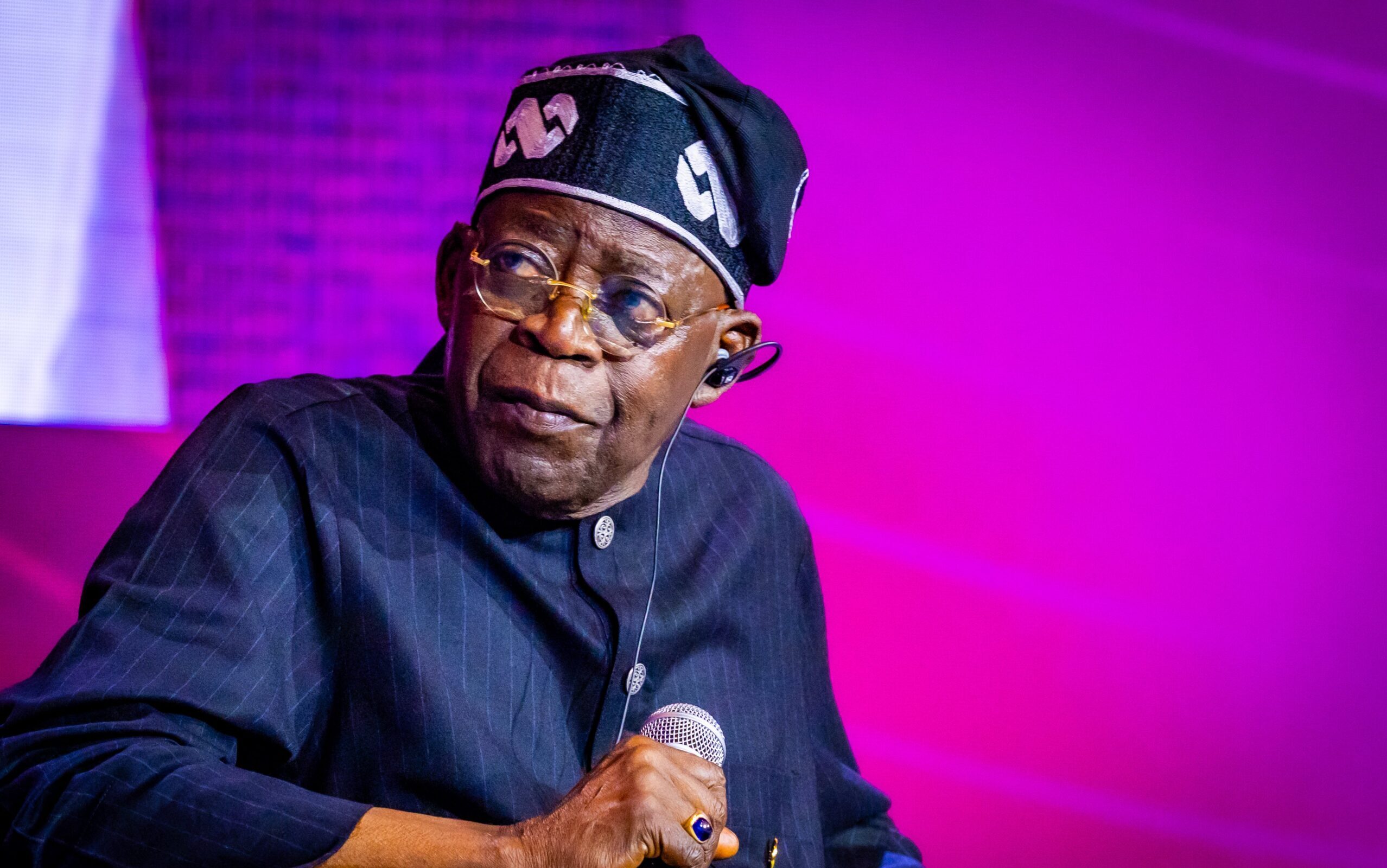
The situation has forced many people to leave their homes. The response from Nigeria and Ghana has been strong. President Bola Ahmed Tinubu of Nigeria even refused to meet with a South African delegation. Ghana also canceled a visit from the South African president. What began as an immigration issue in South Africa has quickly turned into a regional diplomatic crisis. Both Nigeria and Ghana are angry about the violence against their citizens.
Ghana is mourning the loss of one of its citizens during the protests. To ensure safety, emergency programs are being set up to return migrants to their home countries. Nigeria has already brought back around 1,500 of its citizens, while Ghana has returned over 900.
Despite these efforts, thousands of migrants are still stuck in temporary camps at the South African border. They are living in poor conditions and want to leave. When discussions began, Ambassador Enikanolaiye expressed his dissatisfaction with the situation. He welcomed South African officials warmly, saying, "We are pleased to have brothers from South Africa." But his tone showed clear concern.
He reiterated that President Bola Ahmed Tinubu called this meeting to discuss the recent rise in Afrophobia in South Africa. These incidents have shocked Nigerians and other Africans. The fact that this meeting happened shows Nigeria's strong message from Abuja: the time for mere condolences is over. Nigerian lawmakers are also pushing for the cancellation of licenses for South African companies operating in Nigeria.
Accra, the capital of Ghana, is feeling the same chill. The government has canceled President Ramaphosa’s planned visit, which was supposed to happen in August 2026. This decision came from fears that the visit could spark public unrest in Accra. Felix Kwakye Ofosu, a government spokesperson, told the press, "We have suggested to them that they should postpone the visit in light of the current climate of xenophobia against foreigners."
Pretoria is trying to clarify the situation regarding the diplomatic crisis. They insist that the meeting was meant to be a regular session of the South Africa-Ghana Bi-National Commission, not the official visit that President Ramaphosa intended. South Africa’s presidential spokesperson, Vincent Magwenya, is downplaying the issue, saying South Africa is still open to cooperation with Ghana. "We will find a date that works for both parties," Magwenya said.
South Africa is facing major issues. There is a huge gap in wealth, high unemployment, and serious crime. Sometimes, foreigners are blamed for these problems, but the government argues that illegal migration is the true cause. They believe that if they can control law enforcement and immigration, things will improve. But the reality is much more complicated. The challenges in South Africa are tied to its history and socio-economic conditions.
The government needs to find solutions that address root causes like job creation and inequality. This task is tough but necessary for creating a fair and peaceful society.
Minister Ronald Lamola's remarks about the Nigerian delegation's visit to Abuja show South Africa's commitment to fighting intolerance. When it comes to immigration, Lamola stated that South Africa will protect its citizens from crimes by illegal immigrants. He is confident that the law will be enforced as a sign of South Africa's position.
A shift is happening in African politics as Nigeria joins Ghana to fight against Afrophobia. They have the support of politicians from West Africa. They plan to make this a key topic at the next African Union meeting. They argue that Africans are facing too much persecution, which contradicts the principles of free movement and economic integration in Africa. This is crucial for African nations to work together and grow their economies.
The African Union has set rules for free movement among nations, but the targeting of African nationals undermines these goals. Nigeria and Ghana are pushing to have this issue addressed at the meeting, gaining support from several West African countries. This could be a significant step towards a more united and prosperous Africa.
The xenophobic crisis in South Africa is not just an internal issue anymore. It has become a serious test for Pan-African solidarity. The diplomatic actions taken by Nigeria and Ghana reflect a firm stance against the costs of anti-migrant violence.
As the African Union prepares to respond to this crisis, the stakes are high. If the leading African countries cannot balance their right to govern with the responsibility to protect their citizens, the dream of a borderless Africa may never be realized.
South Africa's economy is struggling significantly. Inequality is one of the highest in the world. Statistics South Africa reported that in the first quarter of 2026, unemployment was at 32.7%. Among youth, it was just below 45%. In areas with poor infrastructure, migrants often become scapegoats for the state's failures.
Some argue that undocumented migrants are taking jobs, but President Cyril Ramaphosa sees this pressure and pretends to seek stability. "We should never allow the legitimate concerns of our communities regarding illegal migration to breed prejudice against our fellow Africans," he said in his Freedom Day speech in April 2026. He also warned against harming the African unity that helped secure freedom.
Anti-immigrant campaigns are seen as a betrayal of Pan-Africanism by many across the continent. Recently, Nigeria, Ghana, and Malawi have started programs to help their citizens return home voluntarily from South Africa, where violence against foreigners is rising. The African Union has been urging governments to find solutions to this issue.
"We condemn the killings in the strongest terms possible," said Moussa Faki Mahamat, Chair of the African Union Commission. He demands that South African authorities punish those responsible and take action against any violence in the country.
The crisis in South Africa is not just about race; it also relates to the African Continental Free Trade Area, which aims to be the largest free trade area in the world based on signatories. The success of this area depends on how well Africans interact. There can be no free trade in Africa without ensuring safe entry for people from other countries.
"Economic integration also requires trust and communication between people," stated a document from the Nkafu Policy Institute. "If people feel threatened with violence in other African countries, there can be no regional economic integration."
The South African government is in a tough spot. It has promised to uphold the Constitution and protect everyone in its territory. But it faces a big challenge: proving that it prioritizes its citizens' needs in the current slow economic climate.
Last month, South Africa’s Minister of International Relations and Cooperation, Ronald Lamola, said, "Leading with a Pan-African heart means that we will continue to respect the right of people to move." He added that migration must be based on cooperation, compassion, and responsibility. Lamola believes the African Union needs to address the factors that push people to leave their homes.
Xenophobic violence continues to cast a shadow over South Africa, causing fear in other African nations. South Africa's xenophobia highlights a major gap between Pan-African ideals and economic reality. This situation serves as a warning for the continent. If the agreements made in Addis Ababa are to mean anything, action must be taken to improve social unity in areas like Soweto and Alexandra. South Africa must resolve its economic issues without losing the moral authority it gained during the anti-apartheid struggle.
As for the rest of Africa, unity is not a gift from independence; it is something we must work hard to achieve and maintain.
Drop your comment
No comments yet — be the first to drop the gist 👇