NACA and WHO Push for More Awareness on PrEP and Fight HIV Myths
NACA and WHO are advocating for more awareness about PrEP in Nigeria. They aim to address misinformation and stigma surrounding HIV prevention.
The National Agency for the Control of AIDS (NACA) and the World Health Organisation (WHO) are calling for more awareness about Pre-Exposure Prophylaxis (PrEP). They want to tackle misinformation and stigma around HIV prevention in Nigeria.
Officials from both groups spoke on Thursday in Lagos. They were at a training session for journalists and social media influencers on PrEP.
NACA Director-General Temitope Ilori said people need accurate information about HIV prevention medicines and services. This helps them make informed health choices.
"Today’s engagement is particularly important because the fight against HIV is not only about providing medicines and services. It is also about ensuring that people have the right information to make informed decisions about their health," Mrs Ilori said.
PrEP helps people who do not have HIV but may be at risk of getting the virus. It involves taking medicines to lower the risk of HIV infection.
Ilori called PrEP a very effective option for preventing HIV. But she added its success relies on awareness, understanding, accessibility, and the willingness of eligible people to use it.
"PrEP is a highly effective HIV prevention option for people who are HIV-negative and may be at risk of acquiring HIV," she said.
"However, its effectiveness in the national response depends not only on availability, but also on awareness, correct understanding, accessibility and willingness to use it."
She mentioned that journalists and social media influencers play a key role in closing the gaps in information about HIV prevention.
Ilori pointed out that traditional media is a crucial partner in public health communication. On the other hand, social media can reach young people and other groups with relatable information.
Oluwafunke Odunlade, the Technical Officer for HIV, Viral Hepatitis, and Sexually Transmitted Infections at WHO Nigeria, explained how PrEP works. It uses antiretroviral medicines to stop HIV from establishing itself in the body.
Odunlade noted that Nigeria has different PrEP options now. These include oral PrEP, long-acting injectable cabotegravir (CAB-LA), and lenacapavir PrEP (LEN PrEP).
She said the choice of which PrEP to use should depend on individual needs and should be guided by a healthcare provider.
Odunlade added that these options allow individuals to choose what works best for them based on their circumstances.
Ilori warned that wrong information about HIV prevention can cause fear, increase stigma, and stop people from seeking prevention services.

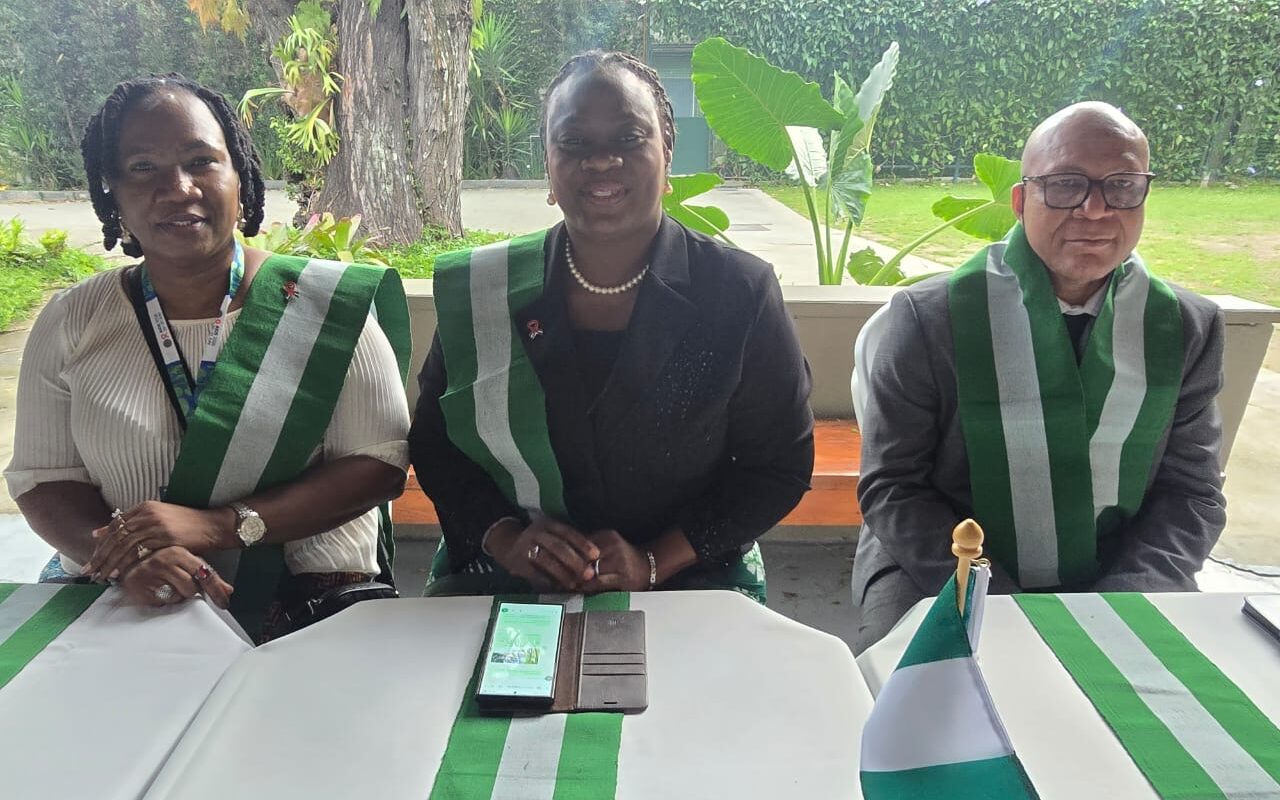
She urged journalists and digital creators to ensure the information they share about HIV and PrEP is accurate, evidence-based, respectful, and free from stigma and discrimination.
"We need you to help answer the questions people may be afraid to ask: Who can use PrEP? How does it work? Where can it be accessed? What are the options available?" she said.
She also encouraged journalists to share stories that make HIV prevention relatable and promote discussions instead of judgment.
"Your stories should humanise HIV prevention. Your content should encourage conversations rather than judgment. And your platforms should become trusted sources of credible health information," she said.
Odunlade urged journalists to use their platforms to help the public understand HIV better and clear up misconceptions.
"Journalists are actually supposed to help propagate the right information, to bring awareness to the people and help to dispel myths concerning any disease," she said.
She described media practitioners as important advocates who can shape public understanding of HIV/AIDS and other diseases that carry stigma.
"The key message I want journalists to take away from here is that you are very important in shaping the agenda when it comes to HIV/AIDS," she said.
Ilori mentioned that this event supports Nigeria's efforts to improve its HIV prevention response under the National Strategic Plan 2026, 2030. This plan focuses on sustainability, innovation, better partnerships, and more community involvement.
She added that NACA wants to keep engaging with journalists and digital content creators even after the training.
"I therefore see this training not as a one-off event, but as the beginning of a partnership between NACA, the media and the digital community," she said.
The NACA boss urged everyone to challenge wrong ideas and share what they learn from experts with their audiences.
"Together, we can increase demand for HIV prevention services, reduce misinformation, address stigma and ensure that more Nigerians have the knowledge and tools they need to protect themselves from HIV," she said.



Comments
No comments yet.