NCDC to Pay ₦100,000 Weekly for People in Quarantine After Ebola Exposure
The NCDC has announced a weekly payment of ₦100,000 for individuals quarantined after possible Ebola exposure. This aims to support their families during isolation.
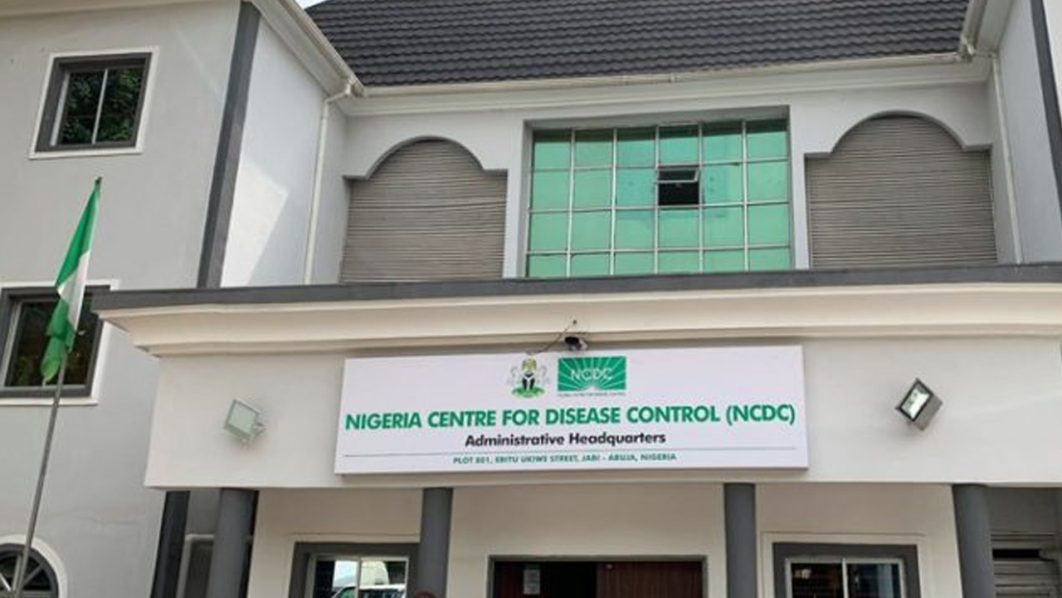
The Nigeria Centre for Disease Control and Prevention (NCDC) has announced a weekly payment of ₦100,000 for individuals quarantined after possible exposure to Nigeria’s confirmed Ebola patient in the Federal Capital Territory (FCT).
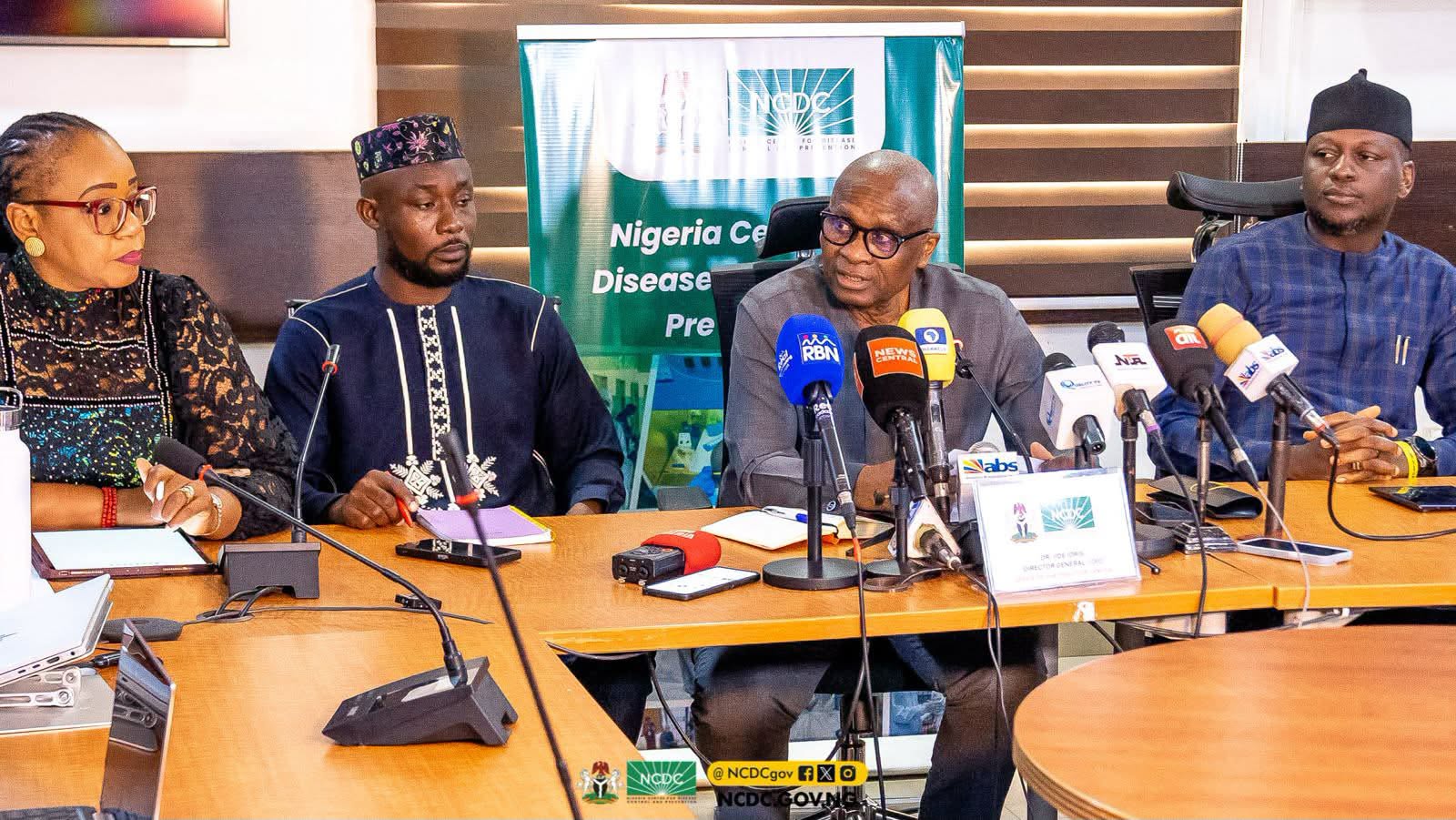
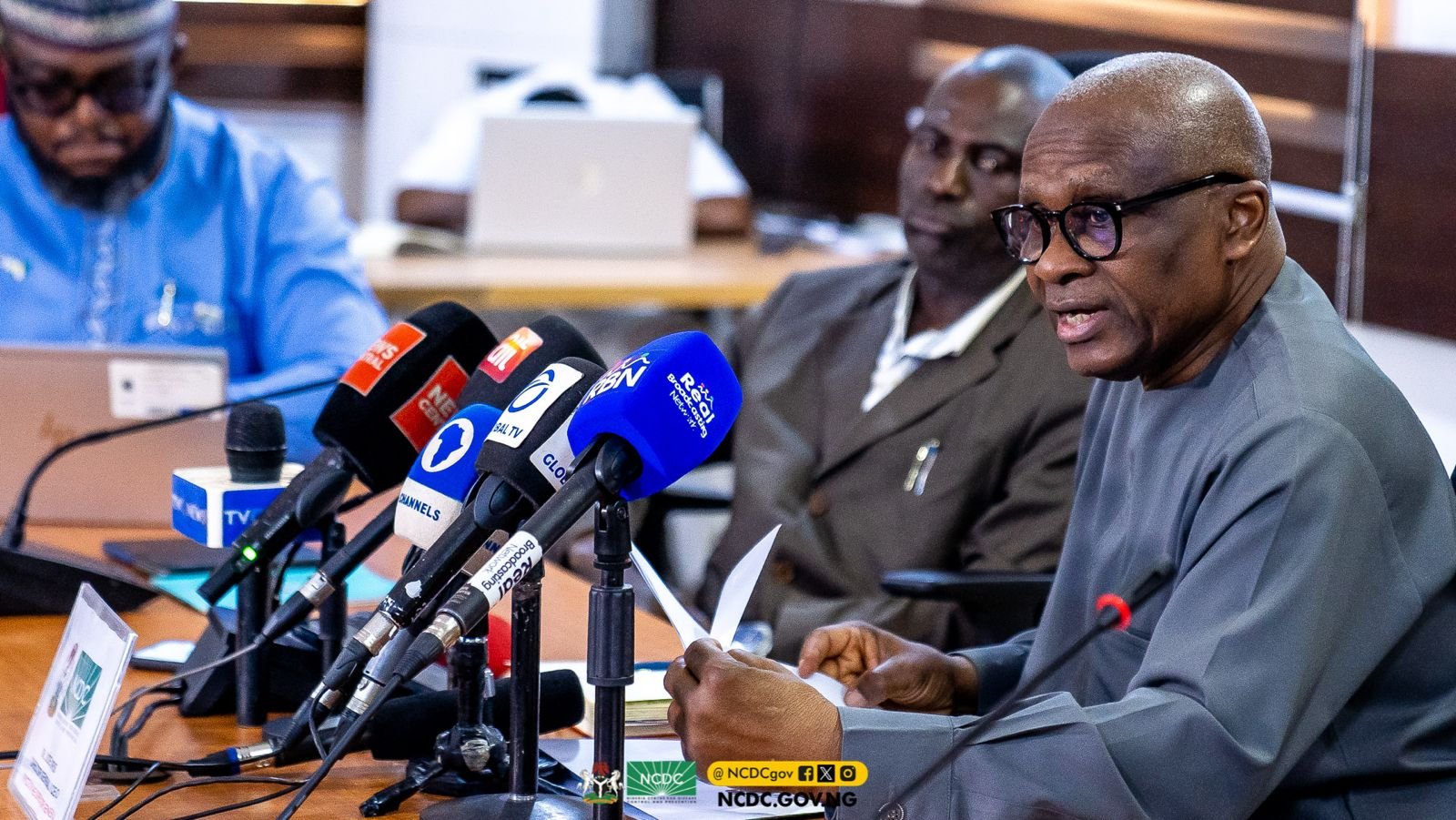
NCDC's Director-General, Jide Idris, shared this news during a press conference in Abuja on Sunday. He said the decision came after some contacts expressed concerns about not being able to handle their businesses and family needs while in quarantine.
Mr Idris stated that the agency is already covering accommodation and feeding for those in designated quarantine facilities. The new financial support aims to help ease their challenges.
"We are paying for their accommodation, we are paying for their feeding. Some of them are asking for a stipend to maintain their families," he said.
He added that some contacts reported being unable to leave the quarantine centers to manage their businesses and family duties.
Mr Idris mentioned that the NCDC introduced the allowance as a temporary solution to ease the situation, even though the expenses were not initially planned.
"But again, it’s an emergency. We continue to review it as we go along," he said.
He emphasized that state governments are responsible for providing facilities, funding, and resources needed to manage contacts during public health emergencies.
"These are the responsibilities of the various state governments," he said.
"So each state again must provide money, must provide the materials for it to do this."
Currently, the NCDC has identified 53 primary contacts linked to the confirmed Ebola case in the FCT.
"As of now, we have 53 primary contacts. These comprise 44 people from the health facility where the patient was treated and nine additional contacts," he said.
The nine additional contacts include the patient’s husband, driver, and chef, along with three healthcare workers who assisted her at another clinic, and three members of the team that collected samples.
All contacts have been listed and categorized based on exposure levels, with public health teams keeping an eye on their health.
Mr Idris explained that investigators are also working to find secondary contacts by checking who the primary contacts may have interacted with.
Some contacts are being monitored in designated facilities, while others might be put under home quarantine based on their exposure level and risk assessment.
The contacts will be monitored for 21 days after their last potential exposure, which aligns with Ebola’s incubation period.

Mr Idris stressed that being identified as a contact does not mean a person has Ebola. It allows health officials to track their health and detect any infections early.
He added that places linked to the infected patient and her husband have been disinfected to help reduce the risk of spreading the virus.
Disinfection teams will also go to other necessary locations as needed.
He mentioned that healthcare workers and contact-tracing staff are getting training on infection prevention and control. Standard operating procedures have been sent to healthcare facilities and state governments.
The NCDC said it is restocking personal protective equipment and distributing lab reagents from the Africa Centres for Disease Control and Prevention (Africa CDC) to support testing.
The NCDC has also updated its Ebola case definition to improve the identification of suspected cases through community-based surveillance.
Under the new guidelines, people with a persistent fever that does not respond to treatment for common fevers, as well as those showing warning signs like unexplained bleeding or bloody diarrhea, are advised to seek medical help quickly.
The agency asked healthcare workers to report suspected cases and take necessary precautions without waiting for lab confirmation.
It also urged Nigerians to cooperate with public health officials and avoid spreading unverified information that could hinder efforts to control the disease.
Nigeria confirmed its first imported Ebola case in the FCT on Tuesday, October 20, marking the first case since the 2014 outbreak.
The patient is a 42-year-old Ugandan woman living in Abuja who recently returned from a trip to Kampala, Uganda.
According to the Africa CDC, she returned to Nigeria on October 3 and developed symptoms three days later.
On Friday, Nigerian authorities reported that genomic analysis showed a close match between the virus found in the Nigerian patient and the one from Kenya’s first imported case.
The Coordinating Minister of Health and Social Welfare, Muhammad Pate, pointed out that this finding does not prove the Nigerian patient was infected in Kenya, as there is no evidence she traveled there.
The Africa CDC previously mentioned it is looking into a possible connection between the Nigerian and Kenyan cases because both patients went through Uganda’s Entebbe International Airport on October 3.
Kenya’s first case came from the Democratic Republic of the Congo (DRC) through Uganda. Kenya has recorded nine confirmed cases, including two deaths, with the additional infections linked to the first patient.



Comments
No comments yet.