NCDC Calls on Hospitals to Act Quickly on Suspected Ebola Cases
The NCDC has urged healthcare facilities in Nigeria to isolate suspected Ebola cases immediately. This comes after the first confirmed case in over ten years.
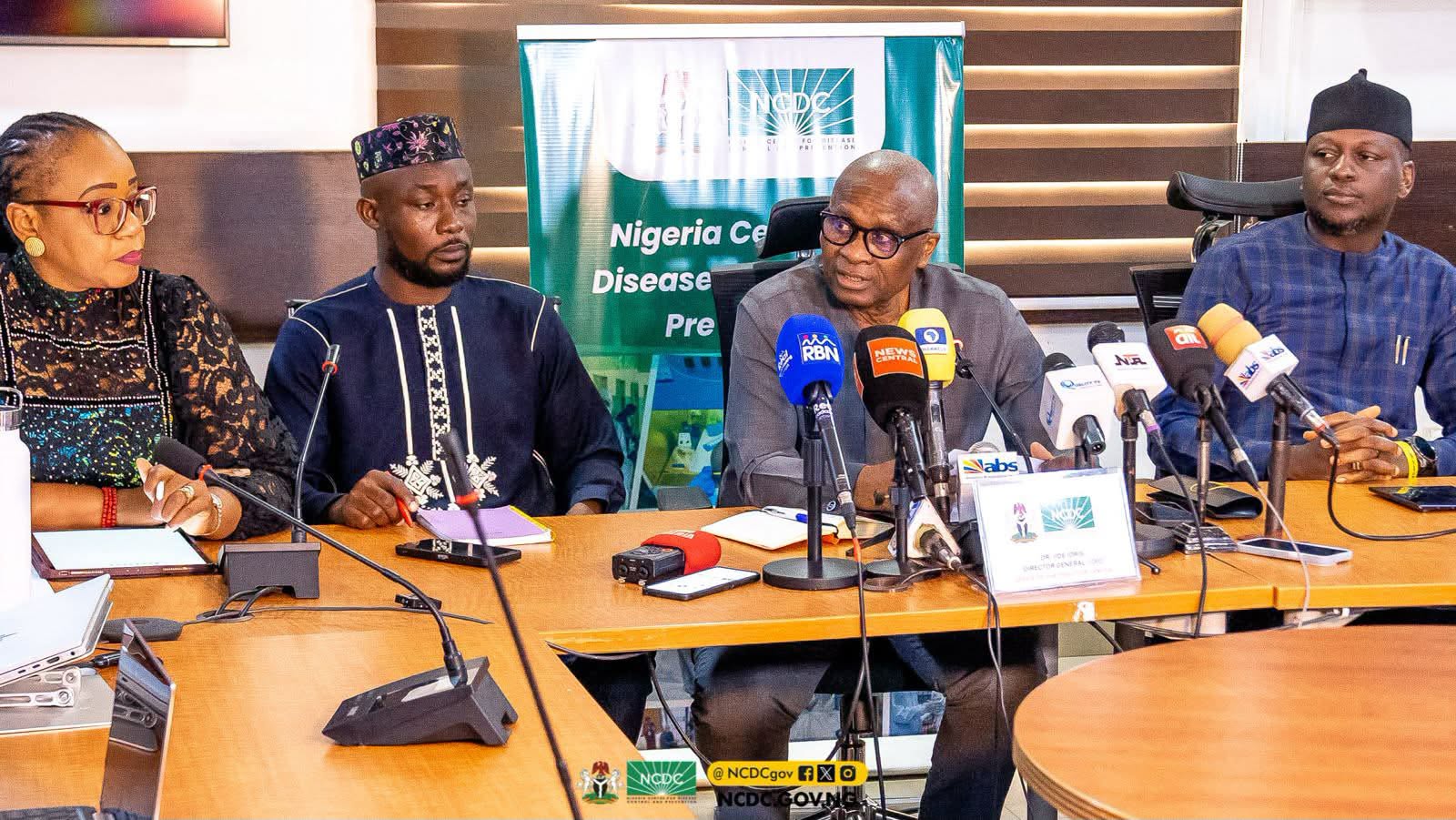
The Nigeria Centre for Disease Control and Prevention (NCDC) has called on all healthcare facilities in Nigeria to step up infection prevention measures. They need to isolate suspected Ebola cases even before lab results come in.
Jide Idris, the NCDC Director-General, gave this advice during a media briefing in Abuja on Sunday. He stressed that healthcare workers must quickly identify and report suspected cases without waiting for lab confirmation.
This call follows Nigeria's first confirmed Ebola case in over ten years. A 42-year-old woman from Uganda, who lives in Abuja and recently traveled back from Uganda, was confirmed on 20 October. This has led the federal government to activate a coordinated public health response.
‘Strengthen infection control’
Mr Idris urged leaders of public and private healthcare facilities to review and improve their infection prevention and control measures. He mentioned that hospitals must consistently screen and triage patients. They should also ensure that personal protective equipment is available and that healthcare workers are trained to use it properly.
"Any suspected case must be promptly separated from other patients and reported to the relevant public health authorities," he said.
"Healthcare workers should not wait for lab confirmation before taking appropriate precautions."
He also highlighted the need for standard precautions. Regular hand hygiene, environmental cleaning, injection safety, safe handling of sharps, and proper waste management are necessary practices.
Mr Idris noted that the NCDC is collaborating with FCT health authorities to boost screening, triage, isolation readiness, and the protection of healthcare workers. The agency is also evaluating priority facilities and sending trained infection prevention and control professionals to provide on-the-ground guidance and mentorship.
Strengthened response

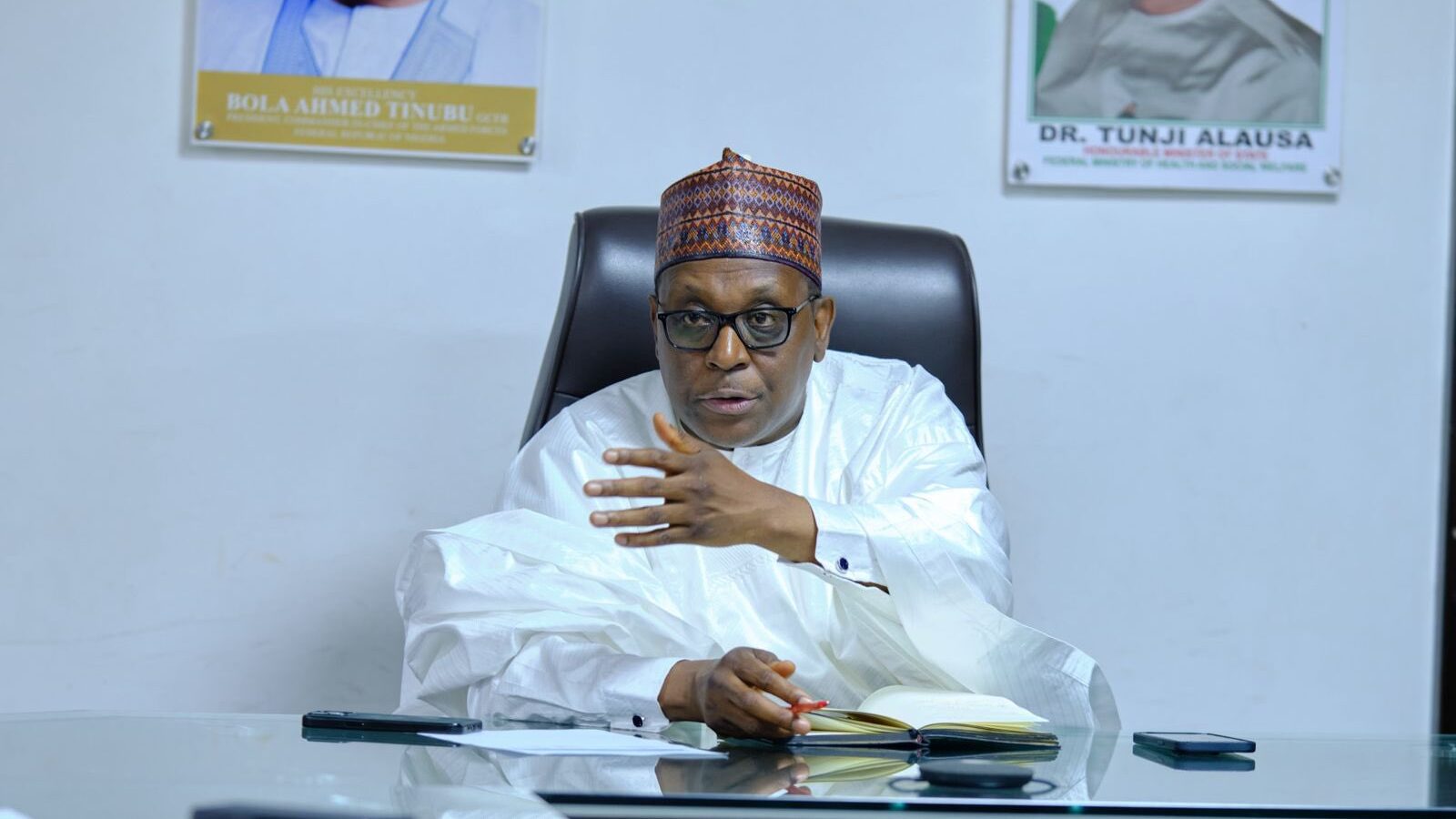
This directive comes as health authorities investigate how the confirmed infection happened and work to stop further spread.
PREMIUM TIMES reported earlier that the woman showed symptoms on 6 October, three days after returning to Nigeria, and initially thought she had malaria when she sought treatment at a private hospital. She later went to another private hospital and was admitted on 11 October when her situation did not improve. Lab tests later confirmed her infection.
Mr Idris explained that healthcare workers who treated the patient noticed clinical signs that raised red flags. Their alertness helped trigger a response through the NCDC’s event-based surveillance system.
He added that this situation shows the importance of surveillance systems and how vital healthcare workers are in spotting unusual health issues that need investigation. The national response includes the Federal Ministry of Health and Social Welfare, the NCDC, FCT health authorities, and other relevant government agencies and partners.
Coordination is through a structured Incident Management System and the Emergency Operations Centre, led by the Coordinating Minister of Health and Social Welfare and the Presidential Task Force on Ebola virus disease.
‘Healthcare workers are central to containment efforts’
Mr Idris praised the healthcare workers whose clinical skills and alertness helped identify the case, saying their role is crucial in starting the public health response. The government plans to involve experienced clinicians and case managers, including those who helped during Nigeria’s earlier Ebola response, to assist with clinical management and infection prevention.
The NCDC continues to keep a close watch and strengthen lab capacity to ensure any suspected cases are promptly investigated and tested. Mr Idris said protecting healthcare workers, providing suitable clinical care, and preventing transmission to the public are top priorities. The government will keep reviewing its plans as new information comes in.




Comments
No comments yet.