NCDMB and NLNG Invest $9 Million in Professorial Chairs for Six Nigerian Universities
NCDMB and NLNG have launched a $9 million initiative to create professorial chairs at six universities in Nigeria, aiming to boost local research and technology.
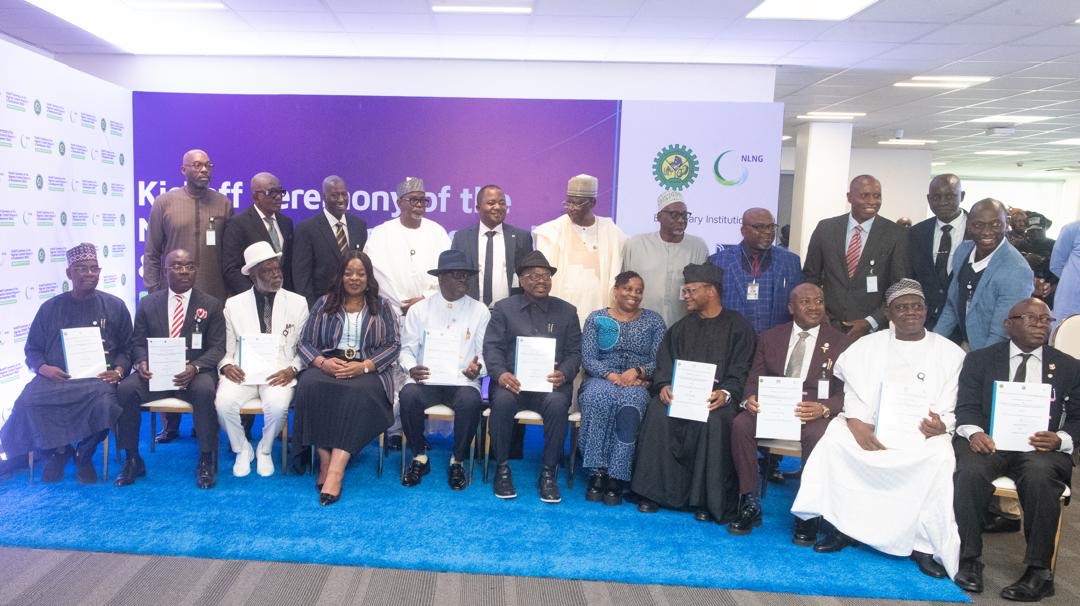
The Nigerian Content Development and Monitoring Board (NCDMB) and Nigeria LNG Limited (NLNG) have started a $9 million programme to set up professorial chairs at six Nigerian universities. The goal is to create practical solutions for industry problems, boost local research, and promote technological progress.
As part of the Nigerian Content Research and Development (NC-R&D) Professorial Chair Endowment Programme, each university will receive $1.5 million. This funding will help establish a special professorial chair that focuses on key industry research areas. The NCDMB is overseeing this initiative through its Planning, Research and Statistics Directorate.
The selected universities are the University of Ibadan in Oyo State, Rivers State University, Modibbo Adama University in Yola, Adamawa State, Aliko Dangote University of Science and Technology in Kano State, University of Nigeria in Nsukka, Enugu State, and Yakubu Gowon University, which was formerly the University of Abuja.
At the launch event, NLNG’s Managing Director and CEO, Adeleye Falade, said this programme is an important investment in Nigeria's ability to turn academic knowledge into real-world solutions. His speech, titled “Reshaping Nigeria’s Future Through Innovation, Research and Capacity Development,” highlighted the need for ongoing teamwork among the government, industry, and universities.
“In the energy industry, we know that technology and energy systems are changing, and the need for continuous research is very important,” Falade said. He mentioned that the programme will help address major challenges in the energy sector, such as improving operational efficiency, managing emissions, ensuring safety, maintaining vital infrastructure, and making industrial processes more sustainable.
In addition to the research funding, Falade spoke about a “triple helix” approach. This approach brings together the government, industry, and academia through special programmes, sabbaticals, exchange opportunities, hands-on testing of research ideas, and the joint creation of postgraduate courses.
The six universities will focus on different research areas. The NLNG Research and Innovation Centre for Computer and Electrical Engineering (RICCEE) at Rivers State University will coordinate these efforts among universities. Falade mentioned that talks are ongoing with the university about how to implement the programme. He praised the Vice-Chancellor, Professor Isaac Zeb-Obipi, for supporting the proposed collaboration. He also mentioned that other partners like Google, Cisco, and MTN have shown interest in supporting this initiative.
Falade highlighted that younger researchers will gain valuable experience, tackle industry issues, and learn from seasoned academics and professionals. He encouraged the universities to build on this funding by forming stronger research partnerships, seeking more funding, and focusing on turning research findings into marketable ideas.
“Expand your scope, seek more grants and funding that can push the limits of knowledge and commercialization of intellectual property,” he said.
He acknowledged NCDMB's role in making the initiative possible. Falade urged for a commitment to technology transfer and creating local solutions without lowering quality standards or safety. He stressed that the programme's real success will be seen in stronger institutions, effective research results, and the growth of the next generation of Nigerian researchers and industry experts.
Felix Omatsola Ogbe, the Executive Secretary of the NCDMB, stated that the $9 million endowment programme is a strategic investment in Nigeria’s research and innovation future. He added that this initiative supports the Board’s ongoing investments in research facilities, including specialized R&D Centres of Excellence in six universities.
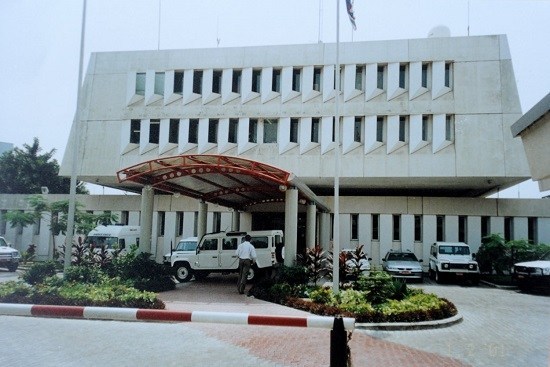
He said, “Together, these efforts show the Nigerian oil and gas industry’s commitment to building a connected research ecosystem that links academic knowledge, modern research facilities, industry needs, and commercialization chances.”
Austin Uzoka, the Senior Technical Adviser representing the Executive Secretary, emphasized that by supporting specialized professorial chairs in important industry areas, NLNG and NCDMB are helping to close the gap between academic research and real-world application.
He challenged the universities to shift from doing research for academic publications to research that can be applied in the industry. He said, “The universities must view this endowment as both an opportunity and a duty. They need to deliver clear research goals, measurable results, wise use of resources, effective engagement with stakeholders, and continued collaboration with industry partners.”
He also said, “These professorial chairs will create practical solutions, enhance local technology skills, support industry competitiveness, and significantly contribute to the long-term sustainability of Nigeria’s oil and gas sector.”
Details show that the University of Ibadan will focus on natural gas processing, pollution control, and environmental management. Rivers State University will work on digital engineering, intelligent energy systems, automation, and asset integrity.
Modibbo Adama University will research energy transition and the environment. Aliko Dangote University will look at sustainable energy innovation and climate-resilient food systems.
The University of Nigeria, Nsukka, will focus on green energy production and geoenvironmental engineering. Yakubu Gowon University will research geoscience and satellite intelligence for resilient gas infrastructure.
Each university will chase agreed research goals and ways to commercialize their findings. They will also set up a joint information hub to promote knowledge sharing and exchange programmes.
The funding will cover minor construction and upgrades to create suitable research centres. This setup will allow industry experts to share their knowledge while pursuing master’s and doctoral degrees. This will help students gain more industry experience and strengthen the link between advanced study and solving real problems.
This programme shows NLNG’s commitment to building Nigerian skills and creating chances for local experts to meet industry demands, guided by its new ‘NextGen Nigerian Content Strategy.’ This strategy focuses on maintaining past commitments with NCDMB, supporting deeper adoption of Nigerian Content Development, and promoting growth that benefits Nigeria's future.
Get more stories like this on your home page
How this story developed
- NCDMB and NLNG Invest $9 Million in Nigerian Universities for Research
NCDMB and NLNG Invest $9 Million in Professorial Chairs for Six Nigerian Universities (this story)

Comments
No comments yet.