Nigeria Confirms First Ebola Case Quickly Thanks to Preparedness, Says Minister
Nigeria has confirmed its first imported case of Ebola within 24 hours due to months of preparation and improved health measures. The patient is receiving treatment in isolation.
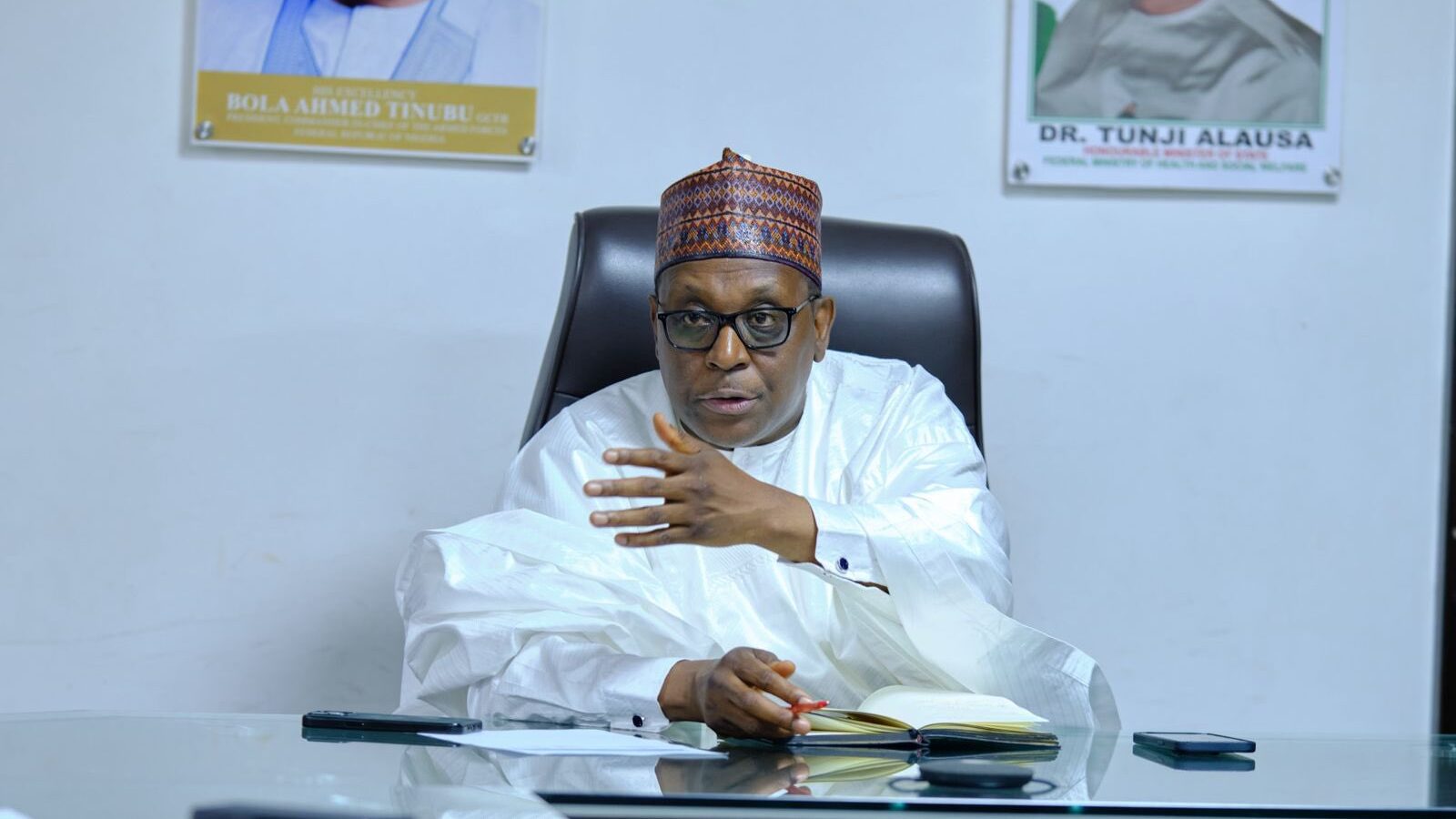
Nigeria was able to confirm its first imported case of Ebola within 24 hours due to months of preparation. Muhammad Pate, the Coordinating Minister of Health and Social Welfare, shared this on Arise News Television’s Prime Time programme on Wednesday.
Mr Pate said the government improved disease surveillance, increased laboratory capacity, trained health workers, and checked states’ readiness before detecting the case. These steps helped health authorities react quickly and confirm the infection. They also notified the World Health Organisation (WHO) as required by the International Health Regulations.
“Within 24 hours we were able to confirm it. We were able to notify the World Health Organisation as required by the International Health Regulations,” he said.
He described this response as part of Nigeria’s ongoing efforts to handle public health emergencies. He reminded everyone how Nigeria managed the Ebola outbreak back in 2014.
Mr Pate said Nigeria has since improved its emergency response skills, using lessons learned from past public health efforts, including the polio eradication drive. On Tuesday, Nigeria confirmed an imported case of Ebola involving a woman who arrived in the country on an international flight from Uganda.
The woman is now receiving treatment in isolation at a private hospital in the Federal Capital Territory (FCT). Jean Kaseya, the Director-General of the Africa Centres for Disease Control and Prevention, said the patient is the wife of a diplomat who went to Kampala, Uganda, for a holiday.
Mr Kaseya added that the woman, originally from Uganda but living in Abuja, showed symptoms three days after returning to Nigeria on 3 October. As reported by PREMIUM TIMES, contact tracing began right after the confirmation. They identified 44 close contacts, which include healthcare workers, patients, caregivers, and travel contacts.
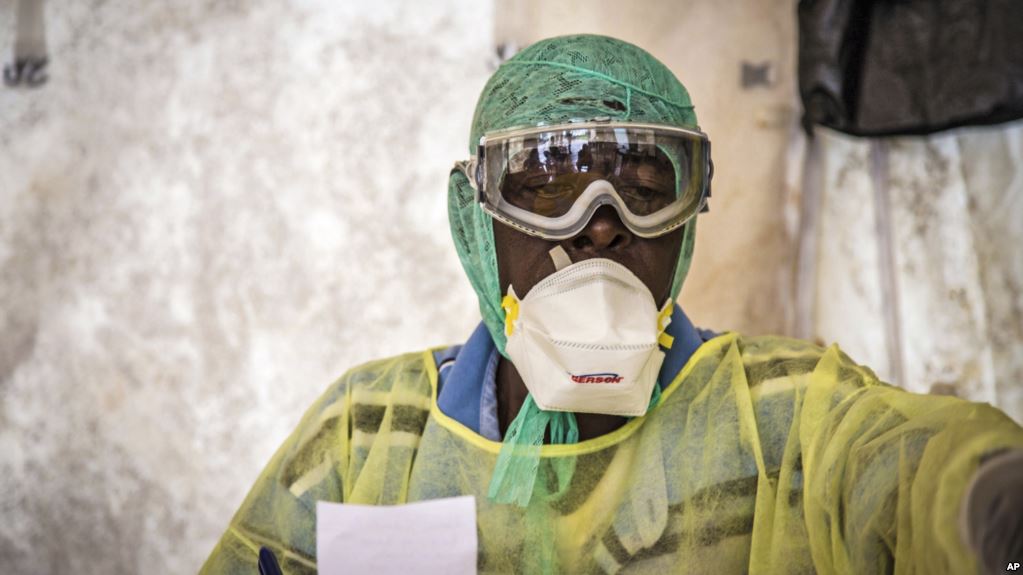
The government is urging health facilities to stay alert. They should quickly identify and isolate suspected cases, follow infection control measures, and report any suspected infections to public health authorities. The confirmation came after months of increased surveillance following Ebola outbreaks in the Democratic Republic of the Congo (DRC) and Uganda.
In May, PREMIUM TIMES reported that the federal government identified 21 states and the FCT as facing high or moderate risks of Ebola importation after assessing the situation. In September, the Nigeria Centre for Disease Control and Prevention (NCDC) raised the country’s preparedness level and strengthened surveillance measures.
The agency mentioned that travellers coming from countries with active Ebola cases might have to fill health declaration forms to help with monitoring and follow-up. Mr Pate said the government has put containment measures in place to stop the virus from spreading to the wider population.
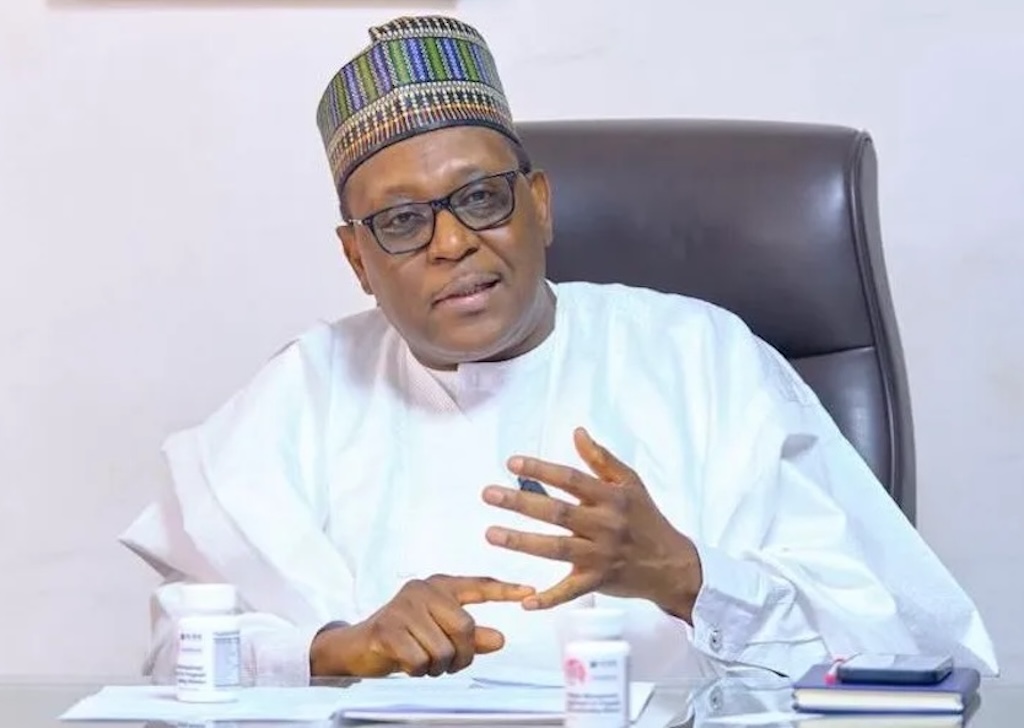
“What is important is that we have found this one case. We are doing contact tracing, and we are putting containment measures to ensure that it doesn’t go into our population,” he said. He added that Nigeria’s past experience with Ebola gives confidence in the current response.
“We have done it in 2014, and we have good public health institutions,” Mr Pate said. The 2014 outbreak in Nigeria began when Patrick Sawyer, a Liberian-American, arrived in Lagos in July and was later diagnosed with Ebola.
The country recorded 20 cases, which included 19 confirmed cases and one probable case, leading to eight deaths. The Federal Ministry of Health, Lagos State government, and international partners set up an Ebola Incident Management Centre on 23 July 2014, just three days after Mr Sawyer arrived, to manage the situation.
The World Health Organisation declared Nigeria free of Ebola transmission on 20 October 2014 after the country went 42 days without a new case. Odianosen Ehiakhamen, the Incident Manager for the National Ebola Disease Response and an assistant director at the NCDC, said they have identified officials who were part of the 2014 response and are still in the country to help out now.
“Because Nigeria had experienced this same situation in 2014, it was important for us to identify colleagues who responded and were still in the country because they are actually going to be our focal persons,” Mr Ehiakhamen said on Arise TV’s NewsNight on Tuesday.
Nigeria’s case comes as the DRC continues to deal with an Ebola outbreak, along with recent cases in other countries. The European Centre for Disease Prevention and Control (ECDC) noted that as of 19 October, the DRC had 9,552 confirmed cases and 4,602 related deaths. The outbreak has affected eight provinces.
Kenya reported nine confirmed cases, including one death, as of 20 October, linked to a person who traveled from the DRC through Uganda. Uganda recorded 20 confirmed cases of Ebola caused by the Bundibugyo virus between May and June. Fifteen of these cases were imported from the DRC, while five were locally acquired among contacts and health workers linked to the imported cases.
The WHO declared the outbreak in Uganda over after 42 days without a new confirmed case.

Comments
No comments yet.