Nigerian Government and Experts Push for Better Health Innovations
At the Gatefield Health Summit, officials emphasized the need for long-term funding and support for proven health interventions in Nigeria.

Government officials and health experts have called for more investment in primary healthcare, long-term funding, and locally made medical technologies. They want Nigeria to move beyond just pilot projects in health interventions.
This appeal was made on Wednesday at the Gatefield Health Summit in Abuja. The summit focused on how governments and partners can turn successful health programs into long-lasting initiatives that help more people.
The summit took place from 21 to 22 October and had the theme "Scaling What Works".
Discussions pointed out two important needs for improving Nigeria's health system. First, proven health interventions must get the funding and policy support they need for broader use. Second, there needs to be a supportive environment for local medical technologies to reach those who need them.
Government Focuses on Primary Healthcare
In a goodwill message, Salma Anas, special adviser to President Bola Tinubu on health, shared that the federal government is prioritising primary healthcare, digital health systems, disease prevention, and strategic partnerships.
Mrs Anas noted that the government sees health as more than just a social service. It is a key part of human capital development and economic growth under the Renewed Hope Agenda.
She described primary healthcare as the backbone of Nigeria’s goal for universal health coverage. She stressed the need to strengthen services that are the first point of contact for communities with the health system.
She also called for a change from small digital health projects to integrated systems that support healthcare across the nation. On disease prevention, she said more investment in preventive care and nutrition is needed to cut down on both communicable and non-communicable diseases.
Mrs Anas added that stronger public-private partnerships are necessary to mobilise funds, transfer technology, and support local manufacturing. "Scaling what works requires bold policy alignment, efficient strategy execution, cross-sector collaboration, and sustainable financing," she said.
She warned against keeping effective interventions limited to pilot studies. Their results should lead to real improvements in healthcare delivery.
Funding Challenges Remain
However, to grow successful interventions, more consistent funding is necessary. Ahmed Aliko, a policy and strategy official in the Office of the Special Adviser to the President on Health, made this point.
Mr Aliko said many health programs carried out through partnerships between the government and development organisations showed good results but were limited in reach. He stressed the need for extra funding to expand these initiatives to more communities and ensure their benefits last.
He mentioned the Basic Health Care Provision Fund (BHCPF), set up under the National Health Act, as a way the federal government supports essential healthcare services, including those at primary healthcare facilities.
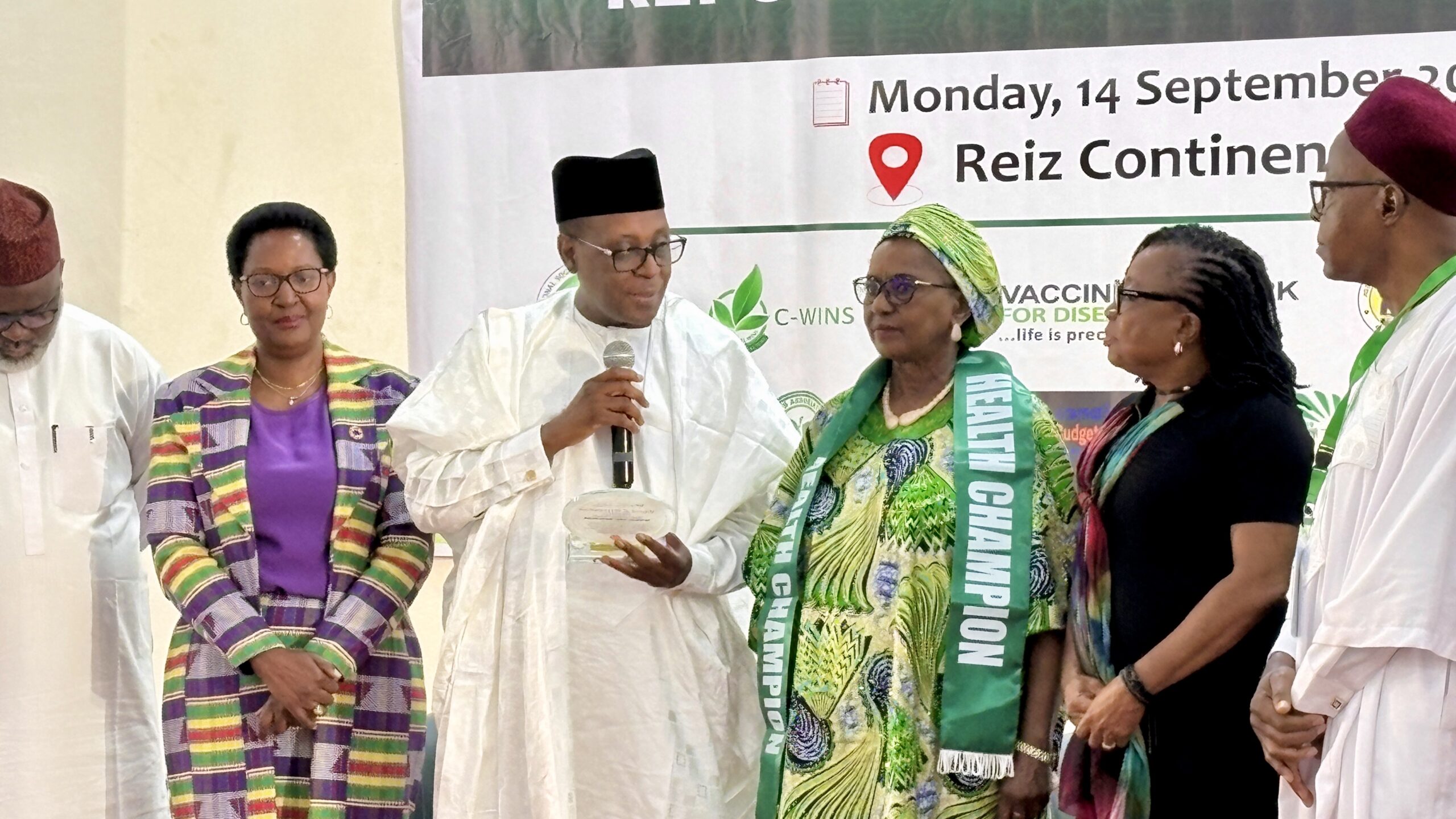

Mr Aliko also called for wider health insurance coverage to help reduce financial barriers that stop Nigerians from getting care.
AI Brings New Opportunities for Local Innovation
Siddhartha Prakash, the global health lead at the World Intellectual Property Organisation (WIPO), said that artificial intelligence (AI) is offering new chances to improve disease screening, diagnosis, and clinical decision-making.
He noted that about 20 percent of Nigerian doctors use conversational AI tools like ChatGPT and Claude to aid their decision-making. But he warned that many AI systems are based on data from other countries, which might not fit the healthcare needs of Nigerians or other Africans.
Mr Prakash mentioned that locally made technologies could help fill some of these gaps. However, this needs stronger research capacity, investment, and protection of intellectual property to go from ideas to widespread use. He highlighted a smart bra created by Nigerian inventor Kemi Bolarinwa for breast cancer detection as an example of local medical innovation.
According to him, protecting intellectual property is key in the journey to commercialise such inventions. It can help inventors seek patents with support from the federal government.
He explained that patents help innovators prove their ideas are original and give potential investors more confidence in funding their development and commercialisation. "A strong IP portfolio can significantly enhance a medical venture’s financial prospects," he said.
Mr Prakash added that universities can support medical innovation by funding research and helping researchers turn their findings into products.
WIPO Supports Medical Manufacturing
Mr Prakash mentioned that Africa's efforts to rely less on imported medical technologies will need more investment in local research, development, clinical trials, manufacturing, and distribution.
He said that AI-assisted medical technologies and other health innovations need the right infrastructure and sustainable business models to move from development to large-scale production. To help with these efforts, WIPO plans to launch its Intellectual Property for Medical Innovation and Manufacturing Centre of Excellence in 2025.
This initiative will offer training and support to governments, companies, researchers, and innovators on using intellectual property systems to protect and commercialise medical technologies. Its focus areas include patents, trade secrets, licensing, technology transfer, and assessments that help innovators know if they can develop products without breaking existing intellectual property rights.
Mr Prakash stated that WIPO is also working with international partners on the intellectual property issues arising from the increased use of AI in healthcare. He mentioned collaboration with the World Health Organisation (WHO) and the International Telecommunication Union under the AI for Global Health Initiative. This aims to tackle issues like data, regulation, ethics, evaluation, and intellectual property.
He said the goal is to assist policymakers, researchers, and industry players in managing new technologies while supporting the creation of sustainable health systems.





Comments
No comments yet.