Nigeria’s solid minerals revenue reaches N101bn in nine months, Minister
Nigeria's solid minerals sector generated over N101 billion from January to September 2026, a major rise from N6 billion in 2023, according to Minister Dele Alake.
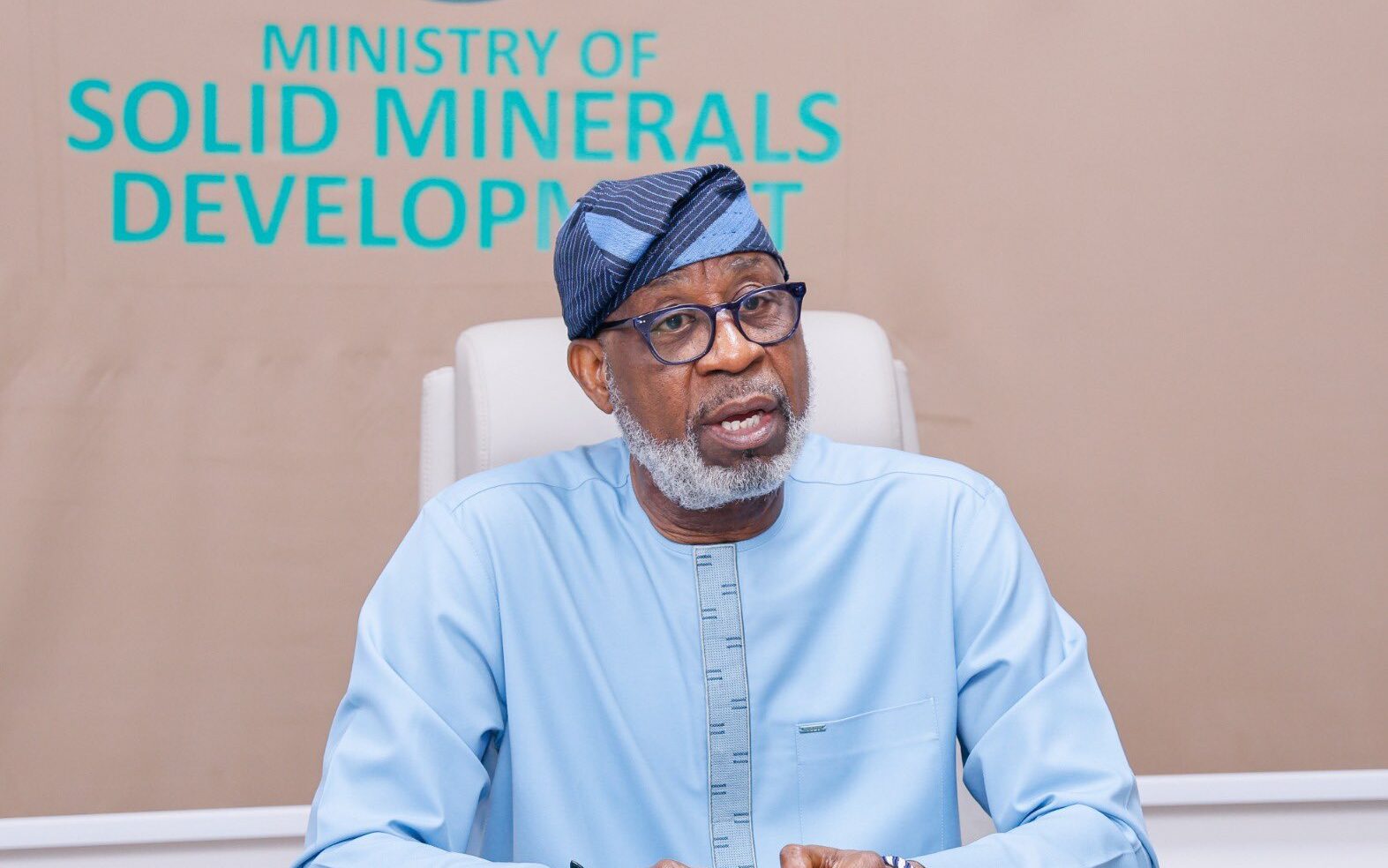
Nigeria made over N101 billion from its solid minerals sector from January to September. This is a big jump from N6 billion in 2023, according to the Minister of Solid Minerals Development, Dele Alake.
Mr Alake said the rise comes from reforms put in place by President Bola Tinubu's administration. He noted that revenue climbed to N38 billion in 2024 and N70 billion in 2025 before hitting N101 billion in the first nine months of 2026.
He shared these numbers on Tuesday in Abuja during the launch of the All Progressives Congress 2027-2031 manifesto. The minister also mentioned that the Central Bank of Nigeria reported continued growth in the sector's revenue in 2026.
"When I took over in 2023, the total revenue from this sector was just N6 billion. With new policies and reforms, it jumped to N38 billion in 2024 and reached N70 billion by 2025," he stated.
Mr Alake believes this increase shows how the administration's economic policies are working and how they are restructuring the mining sector. He defended the removal of petrol subsidy and the merging of multiple exchange rates. He said President Tinubu is putting the country first ahead of the 2027 elections.
"Normal politicians think about the next election and avoid tough policies that might hurt their chances. But not President Bola Tinubu. He prioritises the nation's needs over personal interests," he pointed out.
Mr Alake claimed that no civilian government since Nigeria became independent in 1960 has made such big structural reforms. He said the new manifesto will build on these reforms and extend benefits to areas like security, healthcare, agriculture, industrialisation, manufacturing, and solid minerals.
The minister added that the goal is to turn improvements in the economy into better living standards for Nigerians. Nigeria has many valuable minerals, such as lithium, gold, iron ore, limestone, barite, coal, and lead-zinc. Yet, the mining sector has not contributed much to the country's economy over the years.
The government has often pointed to mining as a way to earn more revenue and foreign exchange, especially as it wants to rely less on crude oil. But the sector also faces many challenges. Issues like illegal mining, weak regulations, insecurity in mining areas, limited processing capacity, and lack of geological data are still present.
The government is working to increase local processing and value addition instead of just exporting raw minerals. This is aimed at creating jobs and boosting industrial activities.



Comments
No comments yet.