Nigerian Government Unveils Plan for State Police, Seeks Public Input
The federal government has unveiled a plan for state police, inviting public input to shape a new policing framework aimed at improving security in Nigeria.

The federal government has shared a seven-week plan. This plan includes a request for ideas on how Nigeria can move from a unitary policing system to one that supports state police.
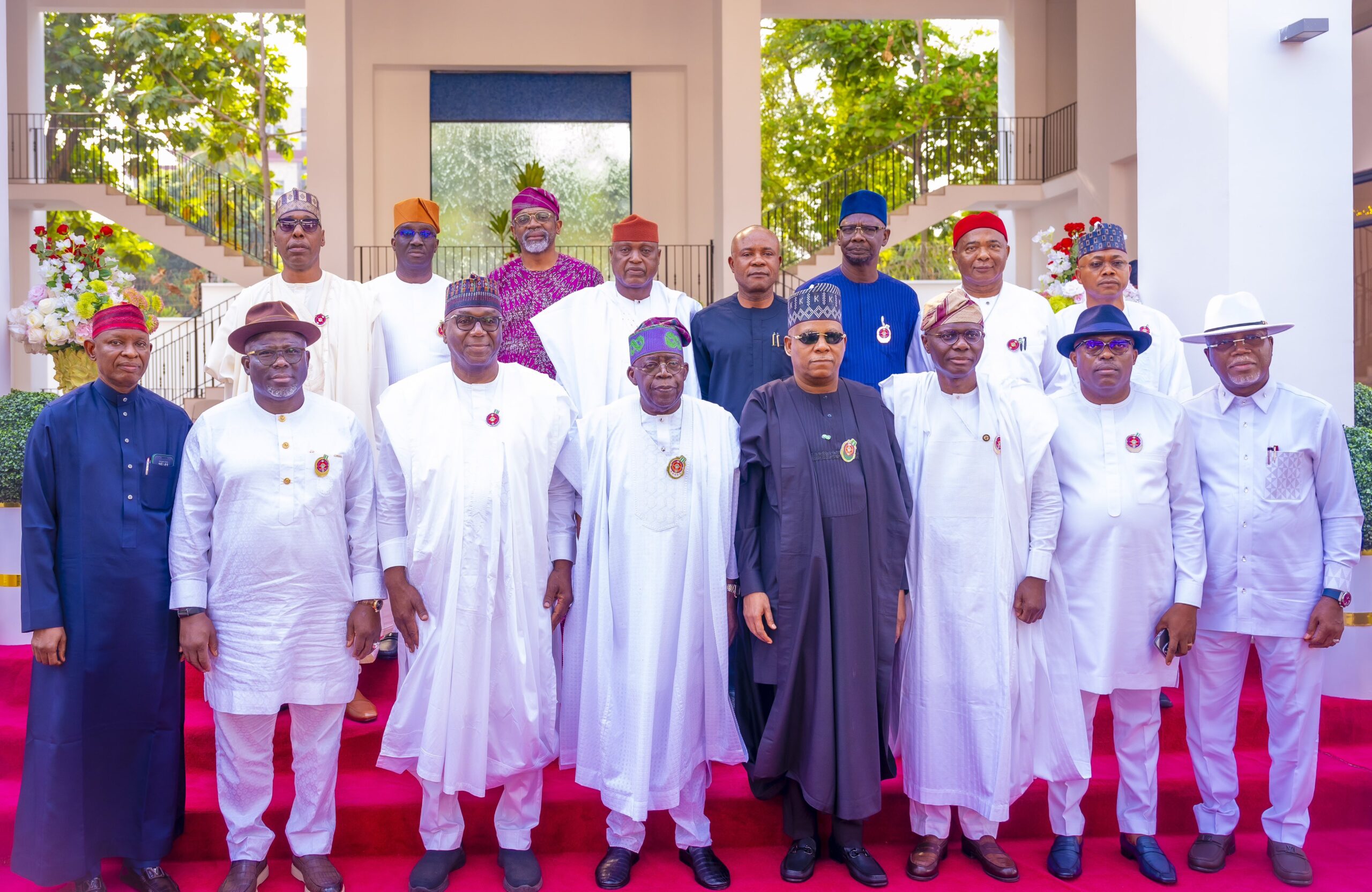
Bayo Onanuga, a spokesperson for the president, stated that the "Presidential Working Group on the proposed National Policing Bill has invited Nigerians to submit memoranda and policy proposals. This is part of efforts to create a solid legal and operational framework for state policing."
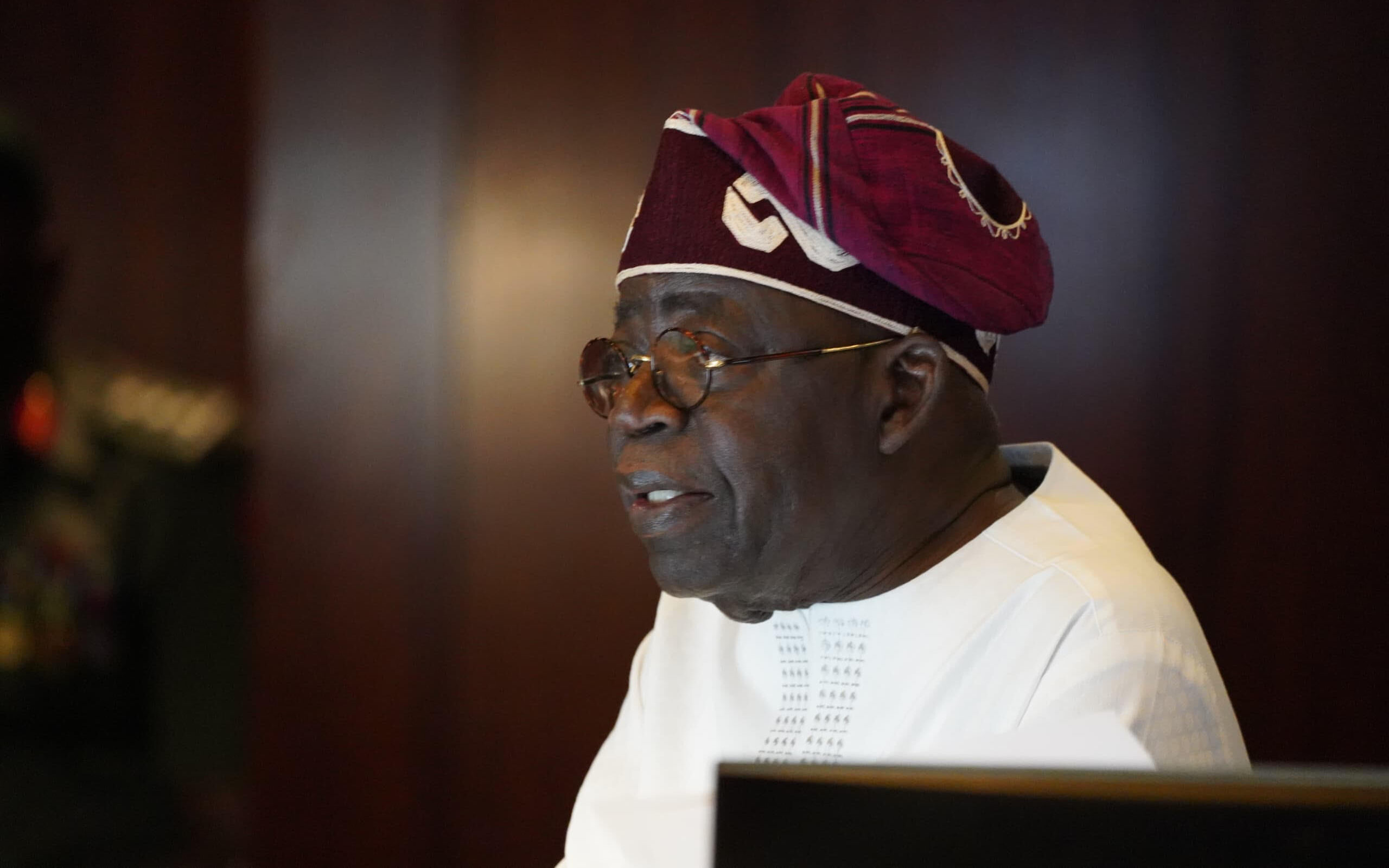
President Bola Tinubu sees establishing state police as a key part of tackling insecurity in Nigeria. Reports show that a bill to change the constitution and permit state policing has passed through the National Assembly. It still needs the backing of 24 out of Nigeria's 36 state assemblies and the president's signature to become law.
Some critics worry that state governors might misuse state police. But Onanuga assured that the new framework will address these worries.
"The proposed framework will set national minimum standards, define state readiness and grant certification, clarify jurisdictional responsibilities, ensure independent oversight, uphold human rights, and guarantee sustainable funding. It would also show a clear path to a dual-policing system," he wrote.
The presidential committee also called on Nigerians to take part in this initiative.
"The request for memoranda will last for two weeks. This allows citizens, professionals, civil society, security agencies, state and local governments, academics, and other stakeholders to share their thoughts.
"All submissions will be reviewed and included in the draft bill, which will then be discussed further before being sent to the National Assembly," Onanuga noted.
The Working Group is looking into the Police Act 2020, the Police Service Commission framework, police regulations, and other laws to help develop a modern policing system.
The proposed framework will set national minimum standards, define state readiness and grant certification, clarify jurisdictional responsibilities, ensure independent oversight, uphold human rights, and guarantee sustainable funding. It would also provide a clear transition to a dual-policing structure.
The Working Group has planned a seven-week work schedule from 27 July to 14 September 2026. The draft Executive Bill is set to be presented to President Bola Tinubu on 3 September 2026, with national discussions to follow before it is finalized.
The new National Policing Bill will detail what is needed for recruitment, training, oversight, funding, and transition arrangements. This aims to ensure trustworthy, effective, and accountable policing across Nigeria.
"A proposed State Police Service must show that it has solid plans for recruitment, vetting, training, pay, pensions, equipment, custody, complaints, discipline, data, firearms control, independent oversight, and financial sustainability before it can start policing," said Mr Gbajabiamila.
Dapo Abiodun, who is the representative of the Nigeria Governors’ Forum and the Governor of Ogun State, called State Police a significant reform. He said this initiative is one of the key reforms of President Tinubu’s administration.
Addressing fears of federal control, he made it clear that there is no federal plan to dominate State Police. He explained that the new law aims to create an operational framework without centralizing control.
The Attorney-General of the Federation and Minister of Justice, Lateef Fagbemi, mentioned that the proposed National Policing Bill aims to ensure the safety of lives and property. It also seeks to make sure that the establishment of state police does not become a means for political harassment.
He added that states not ready to set up their own police services will continue to receive help from the federal police until they meet the necessary requirements.

Comments
No comments yet.