Nigerian governors promise to invest more in early childhood development
The Nigeria Governors’ Forum has pledged to make early childhood development a priority for human growth in Nigeria, emphasizing its importance for the future.
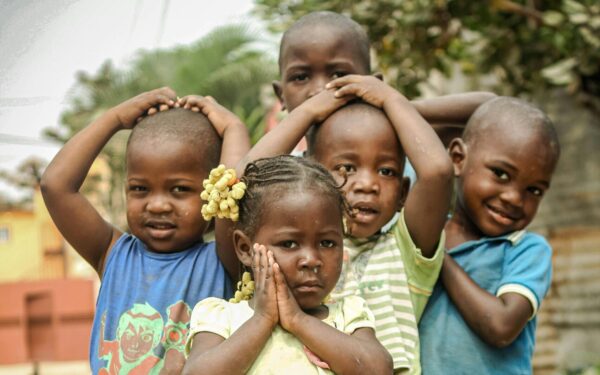
The Nigeria Governors’ Forum (NGF) has confirmed that all 36 state governors will make early childhood development (ECD) a key focus in Nigeria’s plan for human growth.
This commitment came out at the North-West Zonal Consultative Workshop on ECD. The NGF organized this workshop with help from the World Bank, Human Capital Development (HCD), and the Ministry of Budget and Economic Planning.
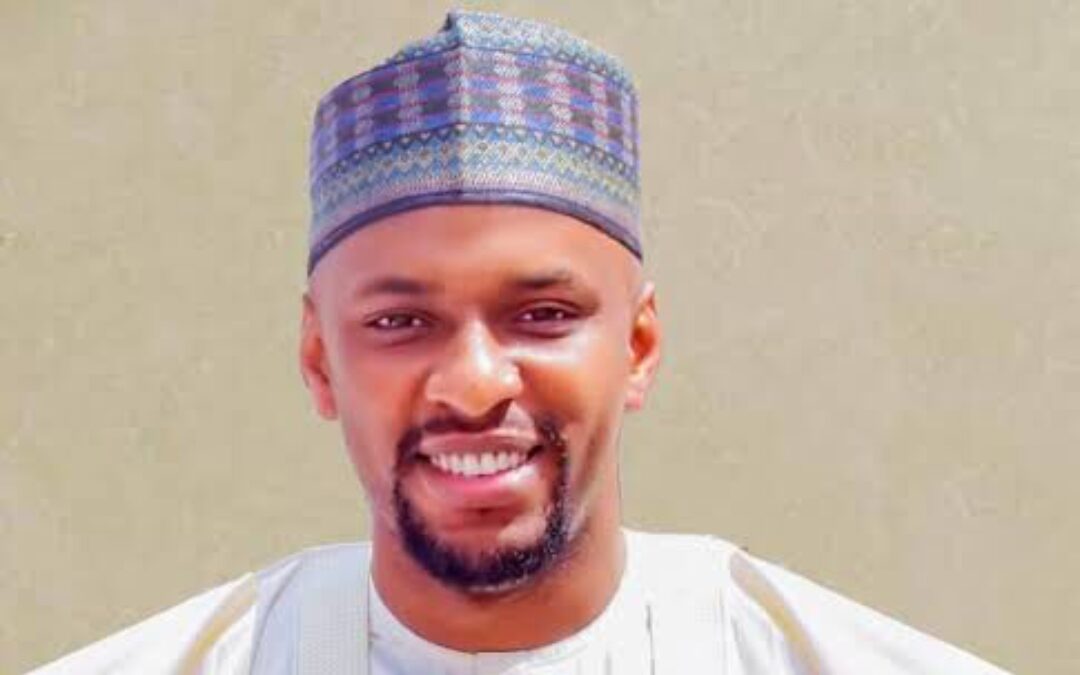
Yunusa Abdullahi, the Director of Media and Strategic Communications, represented the Director-General of the NGF Secretariat, Abdulateef Shittu. He noted that investing in young children is also investing in Nigeria's health, education, productivity, and economic future.
He explained that the time from pregnancy to the first five years is very important for a child’s growth. This period sets the stage for health, learning, brain development, and future work skills.
Mr Shittu emphasized that Nigeria should see ECD as a key development and economic issue, not just a sectoral project. He said, “Investing in Early Childhood Development is therefore not only an investment in children; it is an investment in Nigeria’s human capital and long-term economic development.”
He pointed out that while national policies give direction, the real success depends on how well state and local governments carry them out. The consultative workshops aim to help states create practical plans that suit their unique needs and current systems.
But he warned that making plans should not be the only goal. The plans must lay out clear steps for implementation, coordination, financing, and accountability. They should also fit into the state’s existing planning and budgeting processes.
The renewed commitment from the governors comes as worries grow about funding for ECD in Nigeria. A report from the Moving Minds Alliance showed that millions of Nigerian children affected by conflict, displacement, and economic hardship are often left out of government budgets.
This report reviewed ECD funding in Crisis from 2020 to 2025 and found that Nigeria has no specific budget line for children in crisis. It also revealed that less than five percent of the education budget goes to early childhood or emergency learning. Only 1.5 percent of the health budget is for early-childhood-focused services.
The report highlighted that funding for ECD is “fiscally invisible,” even though it connects to health, nutrition, education, social protection, and other areas that affect child wellbeing.
These funding challenges are reflected in the daily lives of families in Nigeria. A recent PREMIUM TIMES report from Karshi, a community in Abuja, showed how poverty and poor living conditions can impact children's development.
The report found families dealing with food shortages, unstable housing, and little access to learning materials. Some children live in shop compartments that are not suitable for homes. Data from the report indicates that food insecurity affects 34 percent of children in Abuja, with 31.5 percent facing nutrition deprivation.
The report also referenced data from the Nigeria General Household Survey-Panel, showing a big gap in development outcomes between children in cities and those in rural areas. In light of this, Mr Shittu said ECD cannot be effectively handled by just one ministry or agency because it touches many sectors.
He called for better teamwork across health, nutrition, education, and social protection to ensure children get the support they need to grow well. Mr Shittu said the NGF’s Secretariat understands how important leadership is in pushing ECD at the state level.
He shared that the 36 governors officially restated their commitment to ECD at the NGF meeting on 17 June 2026. They recognize that ECD is crucial for better health and nutrition, school readiness, learning results, future productivity, and overall human growth.
He added that the NGF Secretariat will keep using its role to help states strengthen their ECD systems and turn national goals into coordinated and sustainable actions at the state level. He also stated that the NGF would continue to promote ECD as a key development issue, encourage shared learning among states, and work with partners to help states create effective ECD programs.
Mr Shittu urged all workshop participants to create plans that are ambitious yet realistic, with clear and measurable goals for young children.




Comments
No comments yet.