Nigerians Face Longer Wait for Cheaper Petrol Amid Tensions
Nigerians hoping for lower petrol prices may have to wait longer due to rising crude oil prices from renewed Middle East tensions. Many are calling for a price cut.
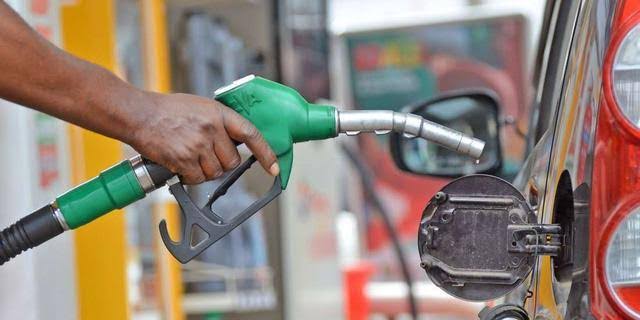
Nigerians hoping for lower petrol prices might have to wait longer. Renewed tensions in the Middle East are pushing global crude oil prices back up.
Crude prices increased this week after the US placed a naval blockade on Iranian ports. President Donald Trump also threatened a 20 percent charge on vessels passing through the Strait of Hormuz. He claimed the US deserved to be “reimbursed” for being a “guardian of the strait,” but he later retracted this statement.
Brent crude, which is the international benchmark for oil prices, rose to $87 per barrel on Wednesday. This is the highest price since June. The US West Texas Intermediate (WTI) also increased to $80 per barrel, while the stock market dropped significantly.
The renewed tensions between the US and Iran are affecting the relief many hoped for after crude prices started to drop.
This situation comes at a time when many are pushing for petrol prices to reflect the lower crude oil costs. This follows the signing of the Memorandum of Understanding (MoU) in June between the US and Iran. In Nigeria, the global crisis has made high energy costs and inflation worse. Many people are calling for a petrol price cut.
Before the ceasefire broke down between the US and Iran, Nigerians were asking why the 40 percent drop in crude oil prices had not led to lower petrol prices yet. Many criticized the Dangote refinery, which provides over half of Nigeria's petrol, as well as petrol importers. The Federal Competition and Consumer Protection Commission issued a warning against unfair pricing and other anti-competitive practices. They said they would impose sanctions on those who break the rules.
Authorities also announced they would engage with sector operators to calm the public. Then came Mr Trump’s announcement that “the ceasefire is over,” which caused oil prices to jump by 5.2 percent from $78 to $80, increasing mobility issues.
PREMIUM TIMES reported that the war began with Israel and the US attacking Tehran without provocation while negotiations were ongoing.
The Trump administration first claimed the strikes were because Iran was a threat to US interests. Later, they shifted their reasoning to focus on destroying Iran’s nuclear capabilities. In response, Iran targeted US military bases and shut down the Strait of Hormuz.
Prices at the Dangote refinery changed a lot during the conflict. They rose from below N900 a litre to between N1,075 and N1,175 in early March. By mid-March, it went up to N1,245 per litre and then dropped to N1,200 by the end of March. Prices stayed in this range through April, peaking at N1,350 in early May. After the MoU, prices dropped to N1,175 and then to N1,075 in July.
As these changes occurred, pump prices rose from about ₦870 before the war to as high as ₦1,500 in May. This increase affected transportation costs in Nigeria. Many people started using public buses instead of their cars, while others chose to walk.
When tensions eased and the MoU was signed, many Nigerians expected petrol prices to drop. But prices stayed above N1,000 in many areas. This happened even as global crude oil prices fell to about $73 per barrel, close to pre-war levels.
Analysts told PREMIUM TIMES that retail prices do not just depend on crude oil prices. They also consider exchange rates, shipping and insurance costs, refining margins, import costs, and local distribution expenses.
Razaq Fatai, a trade analyst and economist, explained that businesses are quicker to raise prices when costs rise but slower to lower them when prices drop. He said many oil and gas businesses finance their inventory through loans. So when prices fall, they may hesitate to lower selling prices because they still have stock bought at higher prices and need to pay back loans.
“If businesses lower prices too quickly, they may struggle financially and have trouble restocking,” he said.
Another energy expert, Demola Adigun, said full price adjustments would happen gradually as businesses manage past costs and new lower-priced supplies enter the market. But with renewed strikes and rising tensions in Hormuz, Nigerians may have to wait even longer for petrol prices to drop to pre-war levels.
Recently, Dangote refinery announced it would price fuel products for the local market in US dollars. They said this was due to challenges getting enough crude under the government’s naira-for-crude program and rising global oil prices. Independent petroleum marketers are unhappy about this change because it could affect the downstream sector.
Analysts told PREMIUM TIMES that this decision will make the downstream petroleum market more unstable. Fuel prices might be more affected by changes in the foreign exchange market, increasing demand for dollars among marketers. This could put more pressure on the naira, making local fuel prices sensitive to exchange rate changes.
“Nigerians need to prepare for a long wait,” Mr Fatai said. “It’s only temporary, but it might take some time. We are in an unpredictable situation.”
He added that the renewed US-Iran conflicts are not expected to have as much impact on fuel prices as during the first 70 days of the war.
Dan Kunle, an energy analyst, pointed out that Nigeria's limited crude oil production makes it vulnerable to sudden changes in the global market. He said Nigeria cannot meet its domestic demand or take advantage of export opportunities, which makes it import-dependent.
“Nigeria is a developing country with inadequate infrastructure and no competitive edge in the hydrocarbon sector. This is why Nigerians will find it hard to get stable oil prices,” he said.
To improve this situation, he advised that Nigerians need to invest in technical skills, financial strength, and better infrastructure.





Comments
No comments yet.