Oil Communities in Akwa Ibom Demand Action on Gas Flaring
Residents of Onna in Akwa Ibom State demand stronger action against gas flaring and environmental damage from oil companies. They seek to enforce their rights under the Petroleum Industry Act.
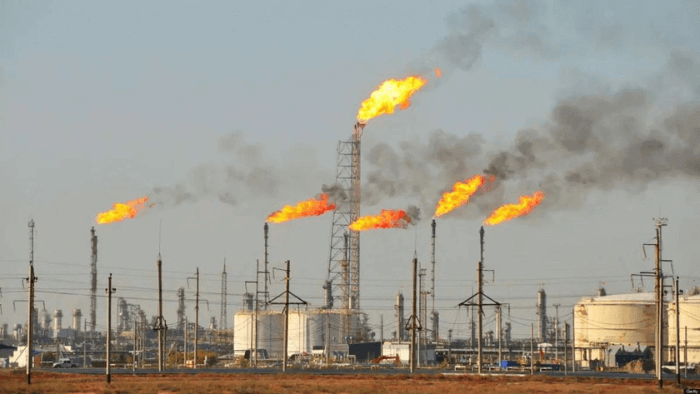
People from oil-producing areas in Onna Local Government Area, Akwa Ibom State, have called for stronger accountability from oil and gas companies. They want better action against gas flaring, environmental pollution, and the proper implementation of the Petroleum Industry Act (PIA) 2021.
This demand was made during a workshop last Friday in Eket. The workshop was organised by Onna stakeholders in partnership with Policy Alert. Community leaders, women and youth representatives, civil society members, and experts in the extractive sector came together to discuss the effects of oil and gas operations on the environment and economy. They also talked about the rights of host communities under current laws.
Donald Ikpe, a native of Onna, opened the event. He pointed out that environmental pollution is getting worse in the area. Many people living abroad are worried about how oil operations affect those still living there. He said many are particularly upset about the ongoing gas flaring in the Ikot Ebekpo and Ikot Ebidang communities.
According to PREMIUM TIMES, gas flaring in parts of Onna has made affected areas feel like a “furnace.” Residents are suffering from extreme heat and harmful environmental conditions.
Mr Ikpe told everyone to use the training they received to advocate for their health, environment, and livelihoods.
Tijah Bolton-Akpan, Executive Director of Policy Alert, said host communities need to know their rights. They must be able to hold government agencies and companies accountable.
“Gas flaring has continued in the Niger Delta not because laws are absent, but because the affected communities have been left out of important discussions,” Mr Bolton-Akpan said.
“The Petroleum Industry Act 2021 made promises to host communities, promises of development, participation, and protection. But promises on paper mean nothing without empowered communities to claim them. When the people of Onna know their rights and how to demand accountability, they become hard to ignore.”
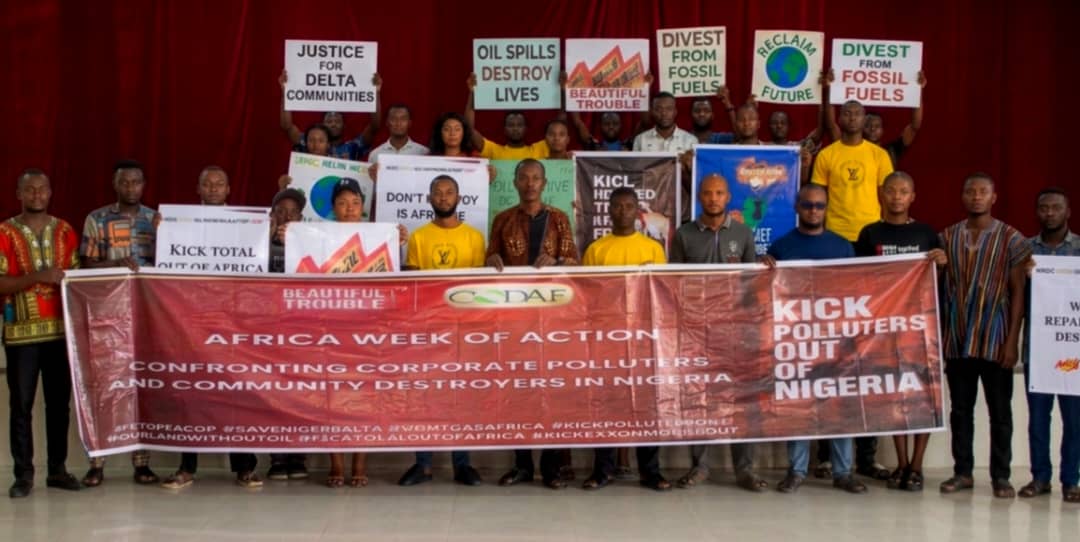
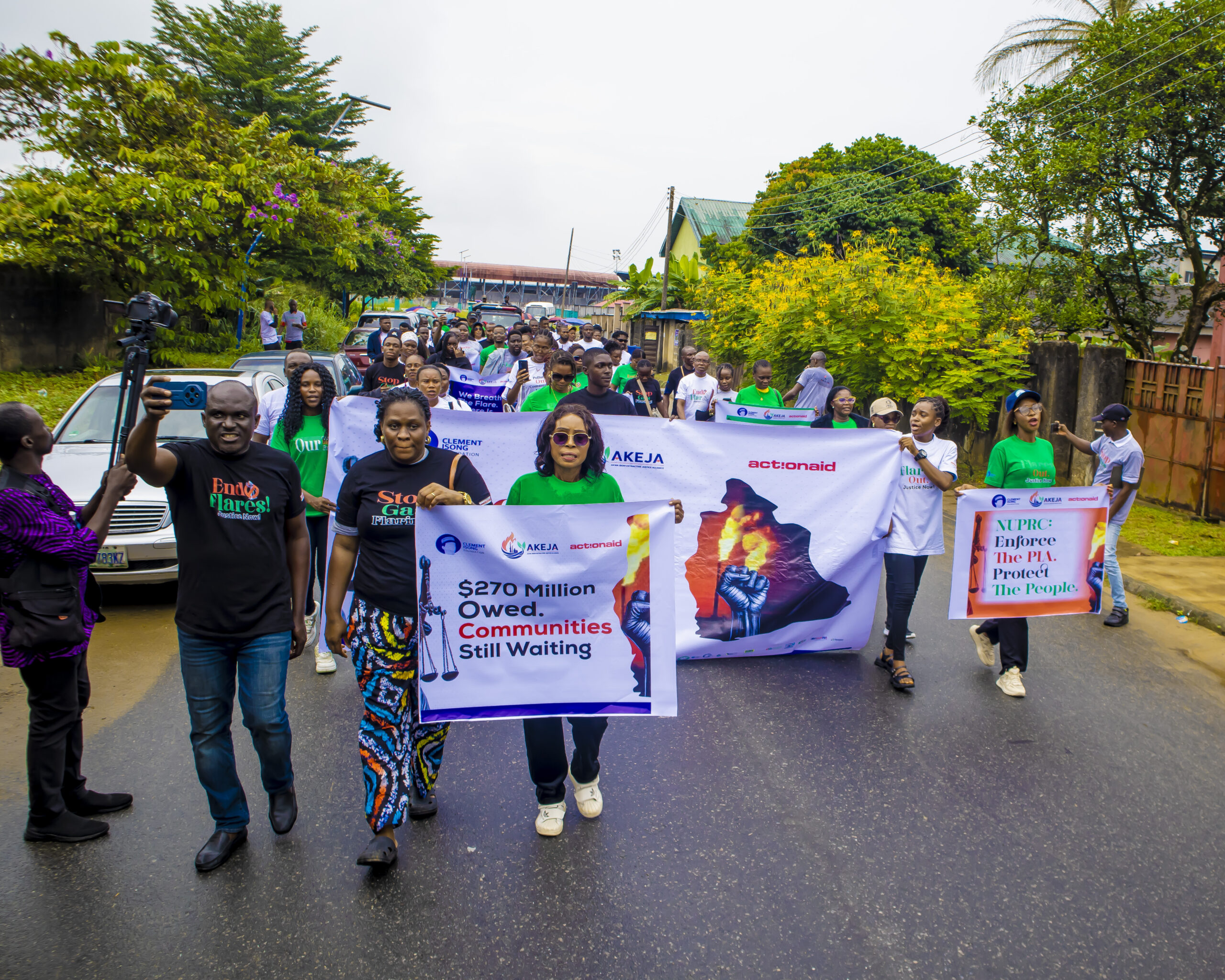
Participants looked at the PIA’s rules about the Host Community Development Trust. This is meant to ensure that oil-producing communities gain directly from oil operations.
Mfon Gabriel, Executive Director of the Ibom Peer Foundation and an expert in the extractive sector, led a session on the rights and duties of host communities under the law. Participants noticed that despite the PIA being enacted, many communities in Onna are still unaware of their legal rights and have not seen much development related to the trust funds.
The workshop also covered health issues caused by gas flaring and hydrocarbon pollution. Ekemini Simon, a PREMIUM TIMES reporter, spoke about how ongoing flaring affects air quality and livelihoods. He noted that releasing methane and other pollutants mainly harms vulnerable groups, including women, children, and the elderly.
PREMIUM TIMES reported that Nigeria is still among the nine countries with the highest gas flaring levels in 2025.
The event included a screening of the documentary Flaring Lives: The Human Cost of Nigeria’s Methane Emissions. This film shows the effects of gas flaring in the Niger Delta. Participants said the documentary reflected the situation in their own communities, highlighting the need for stronger regulations.
At the end of the workshop, attendees agreed on a communiqué. They demanded strict enforcement of gas-flaring rules and public disclosure of penalties for companies that fail to comply. They also called for transparency in managing Host Community Development Trust funds, active community participation in decisions, and quick cleanup of polluted areas.
The participants promised to start awareness campaigns in their communities to better understand the PIA and boost local advocacy. They concluded that continuous engagement is key to ensuring that oil companies and government agencies meet their responsibilities to host communities.
Get more stories like this on your home page
How this story developed
- Protesters Demand Action on Gas Flaring Penalties in Akwa Ibom
Oil Communities in Akwa Ibom Demand Action on Gas Flaring (this story)


Comments
No comments yet.