Over 46,000 Voters Displaced in Plateau Ahead of 2027 Elections
Over 46,000 registered voters in Plateau State have been displaced by violence. This situation poses significant challenges for the 2027 elections as INEC seeks solutions.
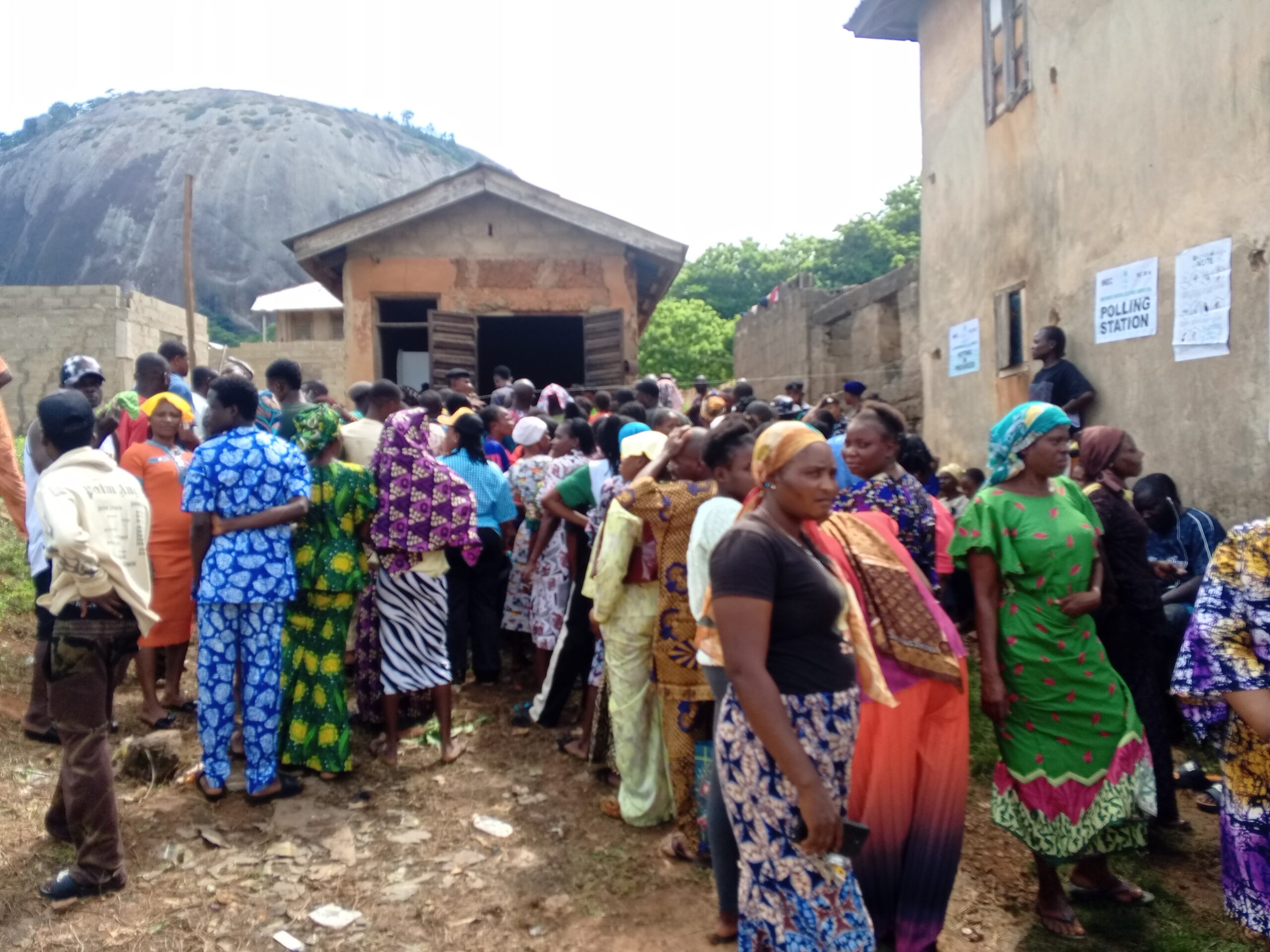
At least 46,983 registered voters have been forced to leave their homes due to violent attacks in Plateau State. This situation is creating a major challenge for the Independent National Electoral Commission (INEC) as it prepares for the 2027 General Election.
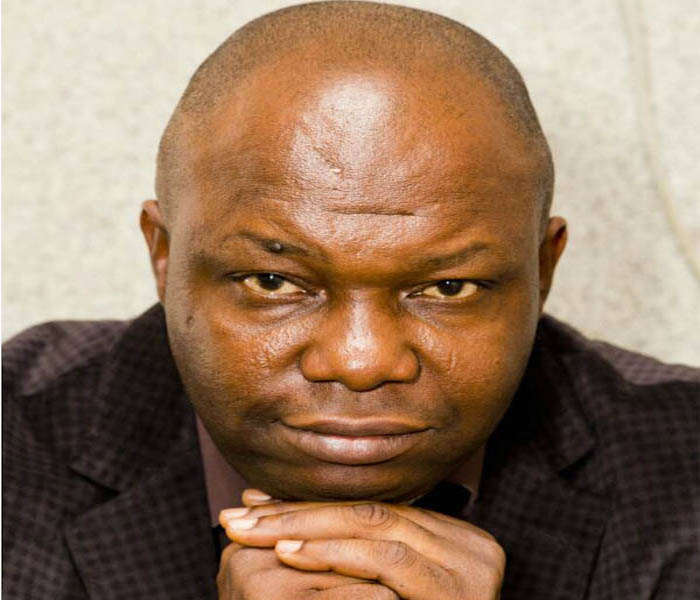
Sam Elegwu, the Resident Electoral Commissioner (REC) in Plateau State, shared these numbers in a recent interview with PREMIUM TIMES. He explained that the displaced people are spread across eight local government areas: Bassa, Barkin Ladi, Bokkos, Jos South, Mangu, Kanam, Riyom, and Kanke.
Mr Elegwu mentioned that these eight areas have a total of 95 registration areas (wards), and 29 of these currently have displaced populations. While government agencies are working on the humanitarian issues, electoral officials must ensure that citizens who cannot safely return to their polling units are not left out.
INEC is actively mapping the affected communities and gathering data to find the best way for internally displaced persons (IDPs) to participate in the 2027 elections.
"If IDP voting is conducted, it will take place in those 29 registration areas, covering 770 polling units. Across the eight affected local government areas, we have 46,983 registered voters who are potentially affected," Mr Elegwu said.
The Challenge of Dispersed Populations
The spread of these displaced people makes planning for elections more difficult. Unlike situations where victims stay in designated camps, many displaced individuals in Plateau are living with relatives or have moved to other states. This makes it hard to identify eligible voters and arrange for the election.
Data from Sunday Abdu, the Chairman of the Plateau State Emergency Management Agency (SEMA), shows that about 38,041 internally displaced persons from 343 communities are affected across the state. Mr Abdu pointed out that the worst-hit areas include Bokkos, Mangu, Riyom, Bassa, Barkin Ladi, Kanam, and Qua’an Pan.
INEC's Strategy for the Elections
Mr Elegwu said that electoral officers in the affected regions have been instructed to find displaced voters, check where they are now, and see if they need new Permanent Voter Cards (PVCs).
"The exercise is ongoing," he added.
The commission is also looking at whether displaced persons are living in groups that could support special voting arrangements. Mr Elegwu noted that recent talks with the Chairman of Bokkos Local Government confirmed several places where displaced residents are staying, which INEC officials are now checking. These findings will influence the final voting plans before the election.

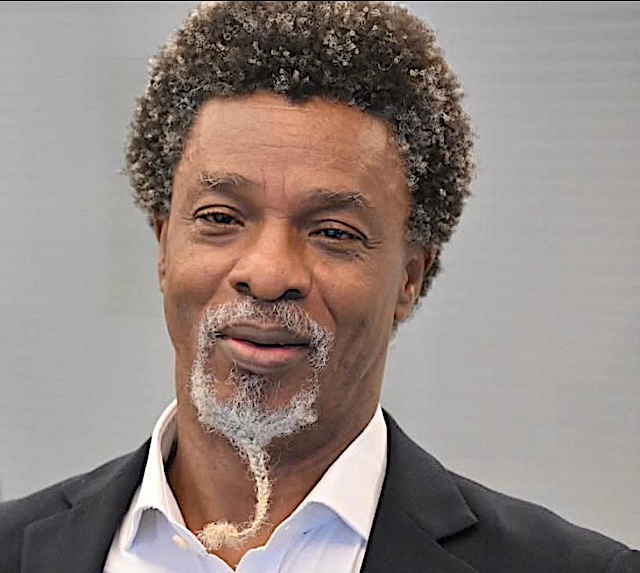
Drawing from his past experiences, Mr Elegwu, who worked as REC in Niger and Benue states, is using successful methods from the 2019 and 2023 elections. He mentioned the 2023 experience in Benue, where INEC collaborated with a civil society group, Community Links, to identify displaced voters, replace lost PVCs, and fix damaged cards before the election.
These efforts follow INEC’s Framework for Voting by Internally Displaced Persons, which allows people to vote based on their original registration areas.
"The Nigerian Constitution guarantees every citizen aged 18 years and above the right to vote. That is why INEC continues to stress inclusive elections," Mr Elegwu said. He added that the framework aligns with Nigeria’s commitments under the African Union Convention for the Protection and Assistance of Internally Displaced Persons in Africa.
Resettlement Challenges
Whether special voting arrangements will still be needed by 2027 depends on how well the state can help people settle back into their communities. Mr Abdu from SEMA said that the state government formed a Resettlement Committee and a Fact-Finding Committee in 2024.
But there are still big challenges. Ongoing insecurity, the occupation of some areas, trauma, and the destruction of homes are all making it hard for many families to return safely.
Ensuring No One is Left Out
Mr Elegwu insists that being displaced should not mean being left out of politics. He urged displaced residents to report lost or damaged PVCs and update their voter information if needed.
"We are assuring them that the Commission is committed to ensuring they vote in the 2027 elections," he said. He also mentioned that INEC will keep working with SEMA, civil society groups, and others to make sure displaced people can take part in the elections.
For now, identifying 46,983 voters at risk gives a clear picture of how insecurity is changing the electoral landscape in Plateau. Whether these voters will be able to vote in 2027 will depend on how ready INEC is and how security improves in their home communities.


Comments
No comments yet.