Peter Obi: A Politician on the Move but Lacking Solid Ground
Peter Obi's political path reflects constant movement without a strong base. His time as governor did not build lasting support or structures for future success.
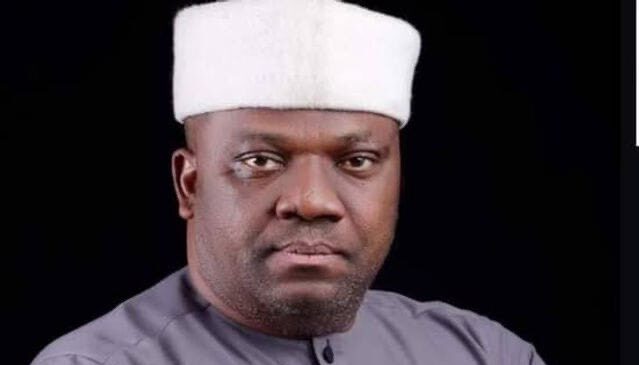
Peter Obi is seen as a rolling stone in Nigerian politics. Since leaving the Anambra State Government House, his career has been marked by constant movement without building a strong political base that can stand the test of time.
After serving as governor, Obi did not use his experience to create a strong political structure. Instead, he chose a path of political wandering, leaving no lasting impact. He left office without a strong organization, a network of loyal supporters in local institutions, or a system that could win elections based on loyalty rather than personal charm.
This lack of foundational work has shaped his political journey after his time as governor. Unlike leaders who know that true power lies in building lasting institutions, Obi has struggled. A strong political structure in Nigeria includes active ward and local government leaders who work year-round, not just during elections.
Such structures also involve youth groups, women’s organizations, and professional networks that operate independently. They should carry the party’s message even when the leader is busy elsewhere.
Additionally, a solid political structure needs reliable funding sources that do not depend on one person’s money or outside supporters. It must have clear plans for succession so that when one leader leaves, another can step in without causing chaos.
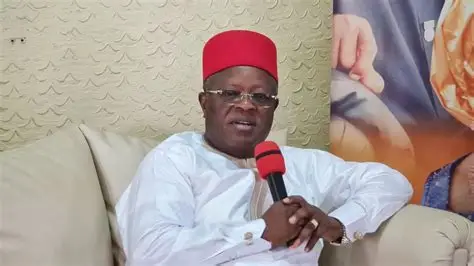
Obi left Anambra without any of these essential elements. Years later, this choice still impacts his political journey. His failure to create such a structure became clear when he could not secure wins for candidates he supported in elections after he left office. In the 2017 Anambra governorship election, he backed Oseloka Obaze. As the former governor, his support should have been a major advantage.
A strong structure would have meant coordinated efforts at the ward level, youth and women groups working independently with set goals, and reliable funding that didn’t require constant oversight. Instead, the campaign lacked deep grassroots support and ultimately failed.
The loss was not just a close call due to last-minute events or better funding from opponents. It highlighted the absence of a political force that should have been there.
Obaze, a capable person with a good background, could not overcome the organizational weakness that came from Obi’s lack of support. The structure that should have amplified Obi’s endorsement was simply missing.
This pattern continued with Valentine Ozigbo in the 2021 Anambra governorship election. Obi once again supported his preferred candidate, this time under the Peoples Democratic Party. Ozigbo had his own credentials as a successful businessman, but the result was another disappointment.
Even with the resources and attention the campaign had, it didn’t win the governorship. The support Obi should have turned into votes simply wasn’t there in a functioning form. The local chapters acted more like temporary setups for events instead of permanent organizations with ongoing plans.
These two failures in Anambra, where a serious political figure should have had the most influence, cannot just be blamed on bad luck or better organization from opponents. They show Obi’s ongoing struggle to build or activate the political infrastructure needed to win elections for his chosen candidates. If a leader can’t win in familiar territory after years out of office, claiming readiness for national leadership seems hollow.
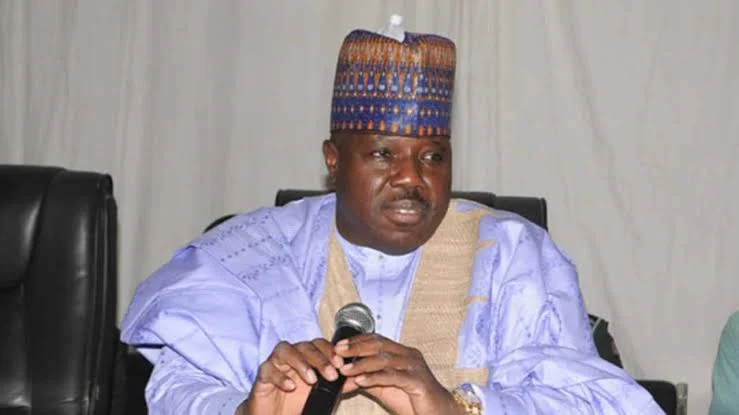
This issue of not turning personal influence into electoral success also appeared with the late Professor Dora Akunyili. She was the former Director General of the National Agency for Food and Drug Administration and Control. She reportedly said she lost her senatorial election because Obi was too involved in her campaign. From someone like Akunyili, her words carry weight and can’t be dismissed as mere political talk.
It suggests Obi’s involvement didn’t help; instead, it may have created complications for her campaign. His constant presence might have shown a lack of trust in her ability to lead or in the local structures to perform without his oversight. This could also have shifted attention from her message to the relationship between the two of them.
In a senatorial race, knowing local issues, building personal relationships with ward leaders, and the candidate being the main force of the campaign are vital. Such over-involvement can lead to resentment among those who expect their candidate to take charge. Whatever the reason, the outcome was a loss partly blamed on his involvement, which was meant to help.
This situation marks a significant political limitation. A leader whose presence in a campaign is cited as a reason for defeat instead of victory disrupts support rather than builds it. Beyond the disappointments with his chosen candidates, Obi has not built any political party into a strong national institution.
He hasn’t taken the time to create a platform from the ground up, recruit members across regions, develop a shared ideology, train future leaders, and establish financial stability that lasts beyond individual departures. Instead, he has tried to fit into existing parties, aiming to reshape or dominate them quickly. When he faces resistance from established groups or cannot gain full control, he leaves.
The reasons he gives for leaving often mention issues with internal democracy or lack of commitment to ideals. But these reasons seem weak when looking at the consistent pattern over many years and parties. The real problem seems to be when party structures want to make decisions as a group or when other members do not agree to follow one person’s vision.
Instead of working through these challenges with compromise and long-term planning, he chooses to exit, claiming it is for principle. Each departure leaves the party weaker and often more divided than before he arrived. This cycle of arriving with excitement, attempting to change things, facing conflict, and leaving has happened with several parties. It shows a discomfort with the slow work of building something bigger than oneself that can last beyond any one person.
Building a party that wins consistently needs the ability to uplift others and accept that structures must survive without one individual. It requires investing in processes that may not bring immediate recognition or total control. Obi has shown little interest in this kind of commitment since leaving office.
His choice to join the Nigeria Democratic Congress reflects this pattern of weakness. The NDC does not present itself as a strong party with established national structures. Instead, it is caught up in ongoing court cases that challenge its registration status. This uncertainty affects its ability to put candidates on the ballot in major elections, including the presidency.
Resources that should go into organizing, finding candidates, and reaching voters may instead go to legal battles. Potential members and supporters may wonder if their efforts will lead to actual participation or if the party might be disqualified when it matters most. A politician with real national influence and a history of building institutions would have several established parties with good standing and networks competing for his partnership.
That Obi has joined a party with legal issues shows the narrowing of his options and the exhaustion of better choices. His choice reflects a leader who has worn out goodwill and connections willing to work with him on secure terms. A rolling stone that does not stay in one place long enough to build a foundation cannot expect to find solid ground when it matters most.
The NDC's shaky status makes visible the internal weaknesses he has carried for years. The pattern of failed endorsements, reported campaign issues, and repeated party exits leaves little doubt about his presidential ambitions. Winning the Nigerian presidency needs the ability to build structures that can deliver votes across different regions and political zones. It also requires winning for political allies at state and federal levels, maintaining party unity through disagreements, and presenting a strong governing alternative rather than a temporary protest party based on one person's charm.
Obi has not succeeded in any of these areas since leaving Anambra. His chosen candidates lost important races, even in his strongholds. His involvement in a major campaign was seen as a liability by the candidate herself. He has not built a party from scratch or strengthened any he joined into a lasting institution. Instead, he has moved through several parties, leaving each time with reasons that hide a reluctance to share power or work together long-term.
His current party faces legal challenges that threaten its existence and cast doubt on any serious national effort from that base. These are not small mistakes or coincidences. They are structural failures that disqualify him from any serious claim to national leadership. A rolling stone can cover a lot of ground and get attention, but it cannot become the rock needed for stable political power and effective national leadership.
That rock is built through careful work over years, through victories that strengthen institutions, and through organizations that operate without constant oversight. Peter Obi has spent his years since being governor showing he is not capable of building such foundations. He remains a figure in motion, landing briefly where it is easy or necessary, then moving on when things do not go his way or when he cannot gain full control.
Nigeria needs leaders who can create solid support and strong institutions, not stones that roll without leaving behind lasting structures, trained successors, or viable parties. His record shows he should not expect to win a presidential election in Nigeria. The office requires the qualities of endurance, managing alliances, and the ability to deliver for others, which he has not shown throughout his post-governorship career.


Comments
No comments yet.