Political Parties Sign Peace Deal Amid Violence and Court Rulings
Twelve political parties signed a peace deal in Abuja to prevent electoral violence. This comes after violent clashes and a court ruling affecting a former senator.
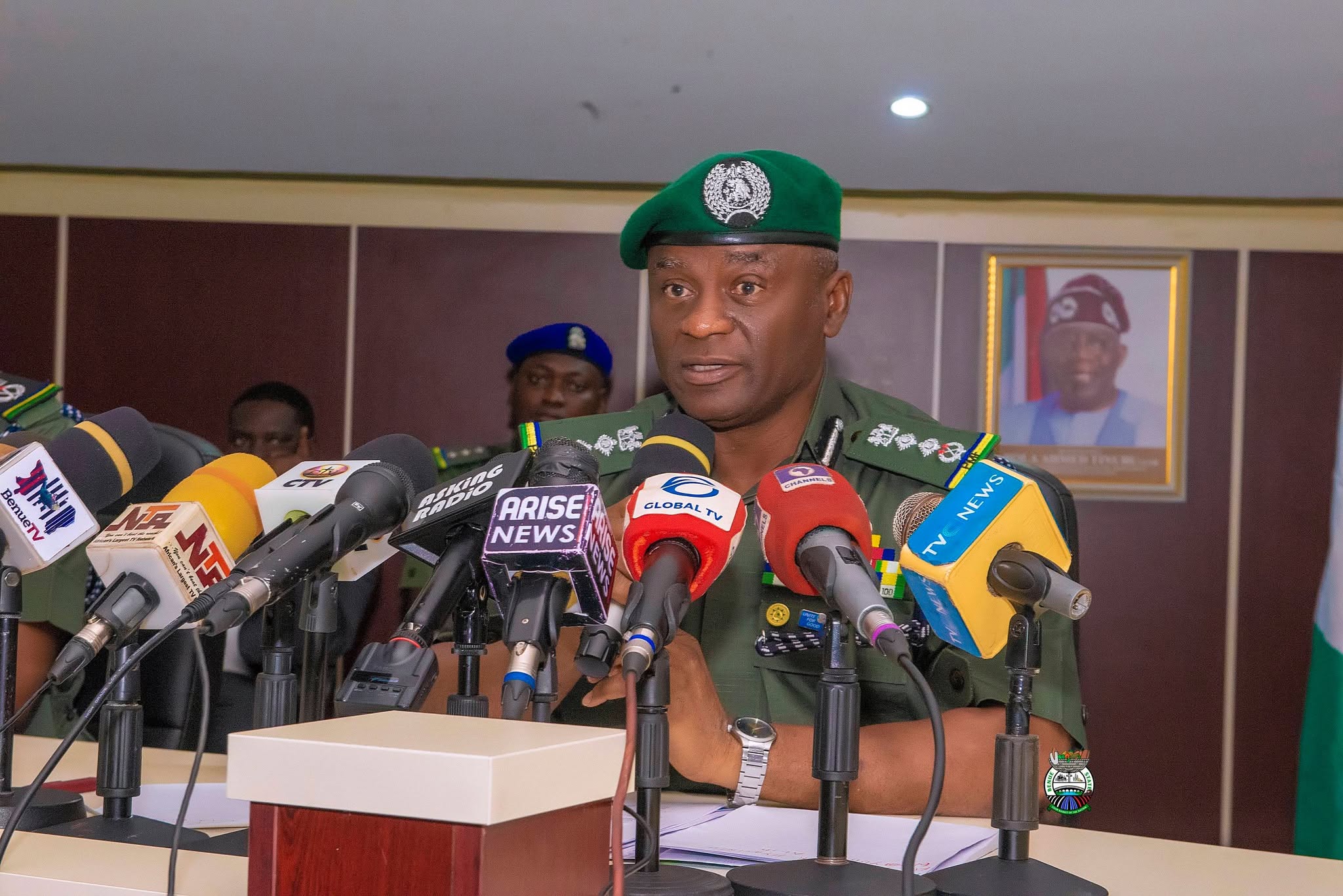
Twelve political parties signed a peace deal in Abuja on Tuesday. They promised to avoid electoral violence. This agreement comes after the Nigeria Democratic Congress (NDC) skipped a security meeting called by Inspector-General of Police, Olatunji Disu. The NDC's boycott was due to reported attacks on its supporters.
The NDC's decision followed violent clashes in Delta State on Monday. Early police reports indicated that six people died in that violence. In another development on Tuesday, a Federal High Court cancelled the senatorial nomination of former Deputy Senate President Ovie Omo-Agege. He has told his lawyers to appeal the ruling.
In Kogi State, former Vice President Atiku Abubakar praised Governor Ahmed Ododo for his help with a campaign rally. Meanwhile, the African Democratic Congress (ADC) is demanding President Bola Tinubu's resignation. They cited claims made by Kano State Governor Abba Kabir Yusuf.
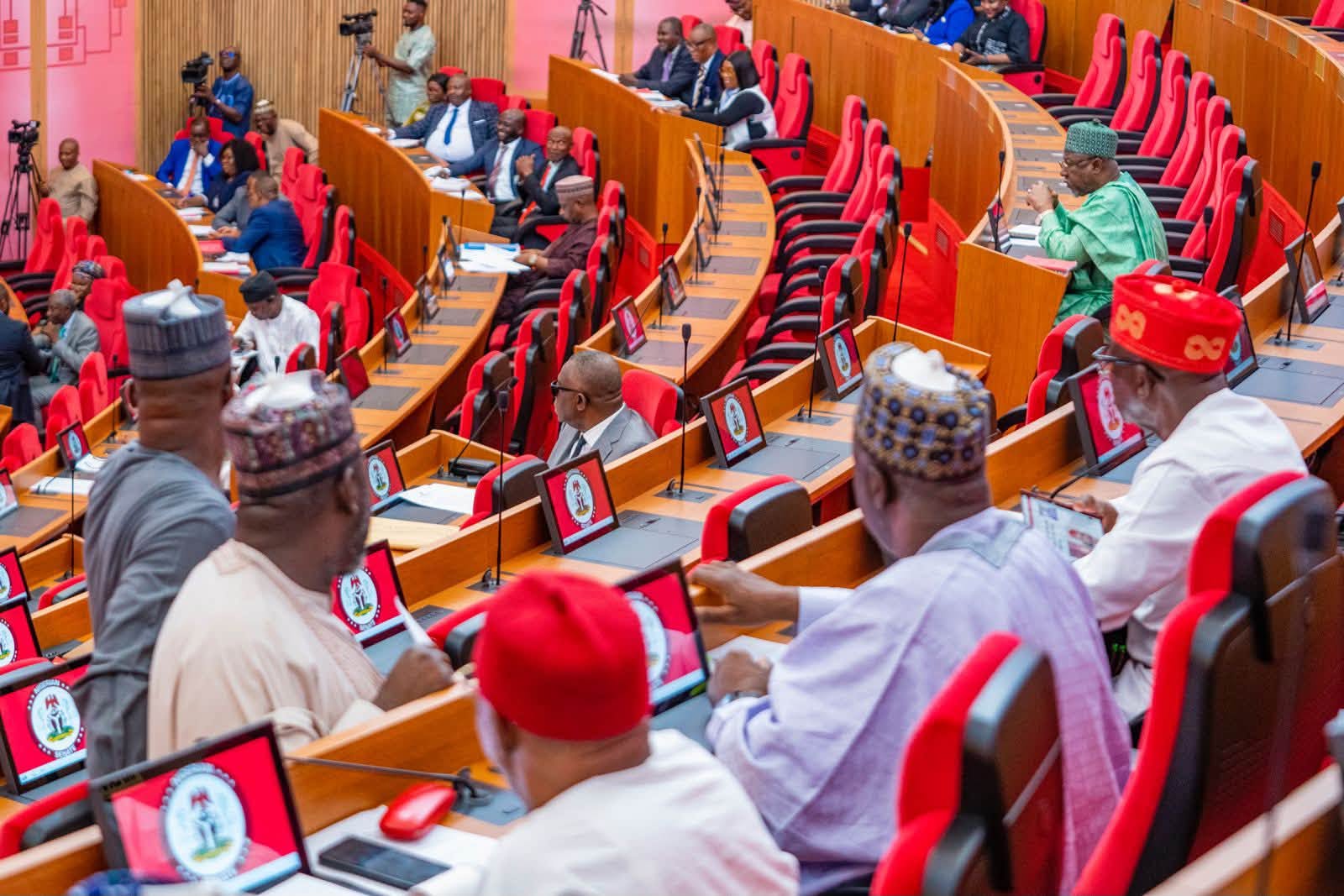
At the National Assembly, President Tinubu proposed cutting federal spending by ₦3.147 trillion. This suggestion does not include reducing planned borrowing. Also, the Senate approved a previous borrowing request that the president had taken back.
Peace Deal Signed, NDC Absent
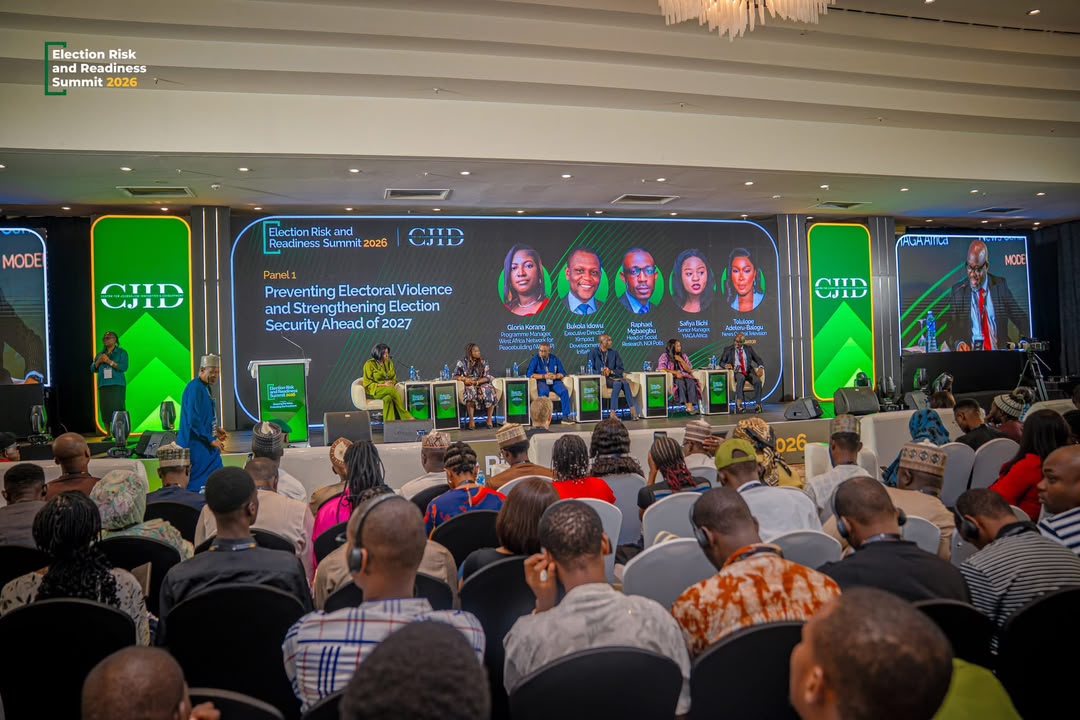
Twelve political parties signed the peace deal after a meeting with the police, the Independent National Electoral Commission (INEC), and party leaders. They agreed to discourage violence, manage their supporters, follow electoral rules, and settle disputes lawfully.
Mr Disu promised police neutrality. He warned that political power or public office would not protect anyone from electoral crimes. Mr Disu and INEC Chairman Joash Amupitan also urged parties to follow rally notification rules. Mr Amupitan noted that the commission could prosecute electoral offenders under Section 148 of the Electoral Act 2026 after receiving complete case files from the police.
The police statement about the agreement did not mention the twelve parties that signed it. The NDC, which has Peter Obi and Rabiu Kwankwaso as its presidential candidates, skipped the meeting. They accused security agencies of not protecting opposition parties and being involved in some attacks.
NDC spokesperson Osa Director mentioned incidents in Benue, Edo, Cross River, Enugu, and Delta states. He claimed that some of the violence involved supporters of the ruling All Progressives Congress (APC). The claims of police involvement or bias had not been confirmed by Tuesday evening.
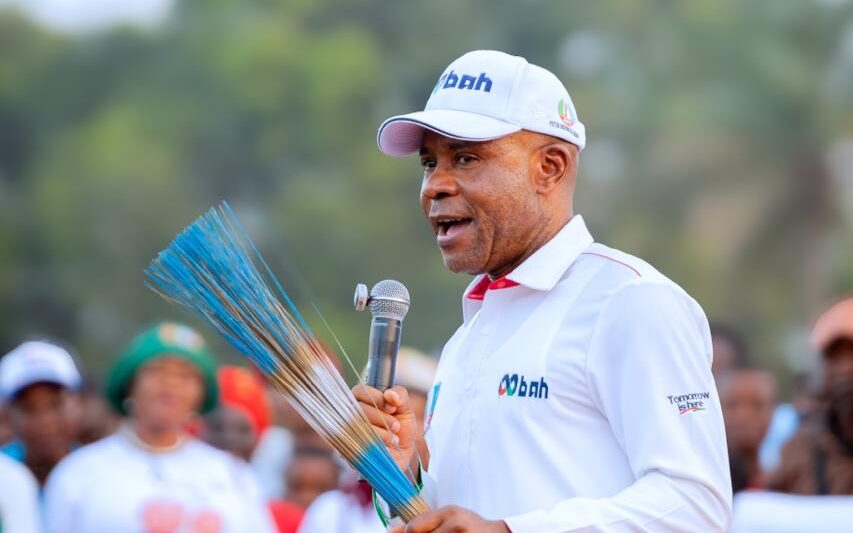
On Monday, violence broke out during Mr Omo-Agege's campaign event in Uduere community, Ughelli North Local Government Area in Delta State. This led to a curfew in the area. On Tuesday, police said early investigations showed six people died, more than the four deaths initially reported by Mr Omo-Agege's campaign.
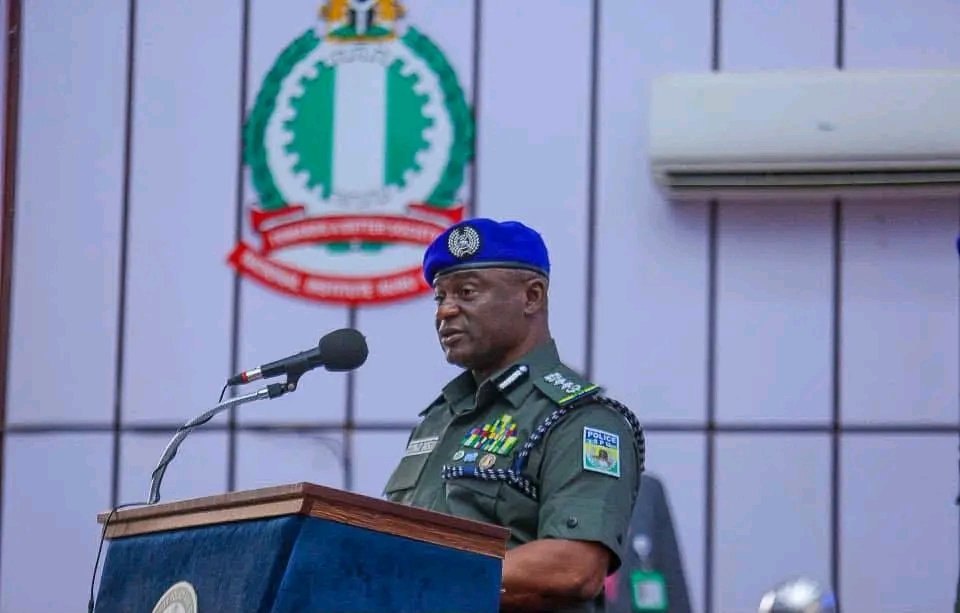
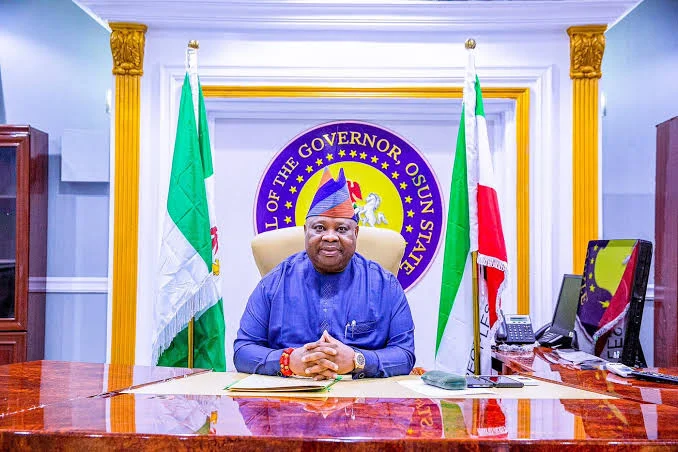
Mr Disu directed the Delta State police commissioner to look into the incident. This includes checking how officers acted during the event. The police said any officers found responsible would face disciplinary measures, and anyone who committed a crime would be prosecuted. Delta State Governor Sheriff Oborevwori also visited Uduere on Tuesday and ordered security agencies to catch those behind the killings.
Mr Omo-Agege accused the officers at the event of not intervening. He also claimed Ughelli North council chairman Jaro Egbo was involved in the violence. On Channels Television on Tuesday, Mr Egbo called the incident a retaliation. He blamed Mr Omo-Agege’s supporters for the violence and accused them of killing community members. The blame for the killings is still being debated.
Court Cancels Omo-Agege's Nomination as Zamfara Candidates Support Yari
Justice Hyeladzira Ajiya Nganjiwa of the Federal High Court in Warri cancelled Mr Omo-Agege’s nomination on Tuesday. The court ordered INEC to take his name off its candidate list. It also stopped him from presenting himself as the party's candidate.
This judgement followed a suit, marked FHC/WR/CS/120/2026, filed by Alexander Akpodiete. He questioned Mr Omo-Agege’s right to take part in the NDC primary. Reports of the judgement stated that Mr Omo-Agege’s name was not on the membership list given to INEC before the primary. The court also decided that the time to hold another primary had passed.
Mr Omo-Agege, through his media adviser, Sunny Areh, rejected the ruling. He argued that the nomination documents submitted by the NDC and INEC included his name. He also challenged Mr Akpodiete’s right to file the suit. The documents mentioned by the campaign have not been checked independently.
Mr Omo-Agege has told his lawyers to appeal. By Tuesday evening, it was unclear if an appeal had been filed or if INEC acted on the court's order. An intention to appeal does not stop a judgement from taking effect.
This court ruling follows another judgement delivered on 5 November. That ruling annulled the leadership of the ADC led by David Mark, including Atiku’s presidential nomination. The ADC has appealed this judgement and is seeking an injunction to stop INEC from changing its leadership records and candidate nominations. The party has also applied for a stay of execution. Its national secretary under the Mark leadership, Rauf Aregbesola, filed a separate stay application.
No order granting a stay had been confirmed by Tuesday evening. In Zamfara West, Channels Television reported that eight senatorial candidates from eight political parties announced on Monday that they were stepping aside to support incumbent APC Senator Abdulaziz Yari. Mr Yari included them in his campaign committee.
Unlike the court ruling affecting Mr Omo-Agege, the Zamfara announcements were voluntary decisions. The legal implications are still unclear. Section 31 of the Electoral Act 2026 requires candidates wishing to withdraw to submit a signed notice and sworn affidavit to their parties. These must be sent to INEC at least 90 days before the election.
The announcement came 54 days before the presidential and National Assembly elections set for 16 January 2027. It was 36 days after the deadline for withdrawal. It is still unclear whether the candidates submitted the necessary documents on time or if their names are still on INEC’s candidate list.

Comments
No comments yet.