Rarara: The Rise of Insult Songs in Nigerian Politics
Insult songs have become a powerful tool in Nigerian politics, with musicians like Rarara leading the charge. This trend highlights the emotional impact of political insults.

For many years, one of the strongest tools in political fights, especially in societies with strong hierarchies, has been the use of insults. When people receive these insults, they feel belittled, mocked, and embarrassed. Important issues get pushed aside, and emotions take over the political scene. Sir Louis Phillip Odumegwu Ojukwu, Nigeria's first billionaire, left politics after a “common thug” insulted him at an NCNC meeting. Sanusi Dantata also stepped back from politics when a thug insulted him during the first meeting of the Kano branch of the National Party of Nigeria in 1978. Politicians know that insults can grease the wheels of political battles aimed at pushing out foes. But seasoned politicians often fight back with the same tactics. This is the challenge we face today.
During elections, those who are good at throwing insults, mostly musicians, are in high demand. They earn a lot of money for slandering the opponents of their sponsors. This point was highlighted in the essay “Rarara’s invective barbs: Innuendoes, body shaming and Kano politics,” written by Professor Abdalla Uba Adamu. The musician Dauda Adamu Abdullahi Kahutu, known as Rarara, has long been seen as the king of invective songs in Hausa. Professor Adamu defines invective as a way to insult someone using harsh language and tone. The aim is to stir up negative feelings against the target. Since 2010, Rarara has excelled in Hausa invective oral poetry, using his talent to insult anyone he is paid to attack, including previous bosses and friends.
Adamu recalls that one of Rarara's early non-insult songs was “Saraki Sai Allah,” which honored then Governor Ibrahim Shekarau’s turbanning as Sardaunan Kano in 2010 by the late Emir of Kano, Alhaji Ado Bayero. But in 2011, not long after, when Shekarau did not support Rarara's new boss, Deputy Governor Abdullahi T. Gwarzo, to take over, Rarara turned to insults. He built a career on body shaming, insults, and innuendos against previous bosses. Shekarau took the brunt of Rarara's attacks, often facing a situation of the kettle calling the pot black. No one was safe from his biting words. He has released 39 songs filled with deep insults, from 2014’s “Malam Ya Yi Rawa Da Alkyabba” to 2023’s “Tangal-Tangal.” He said, “Show him more money, and he will insult the same friend he praised and heap praises on the enemy he insulted.”
Rarara became popular for praising Muhammadu Buhari and attacking his rivals. But soon after Buhari left office in 2023 and President Tinubu took over, Rarara shocked many by releasing songs that criticized Buhari's government over the tough economic situation, inflation, and rising living costs. He quickly shifted to supporting President Bola Tinubu. Besides Buhari and Tinubu, Rarara has, at different times, publicly backed or worked with several influential northern politicians, including former Kaduna State Governor Nasir El-Rufai, former Kano Governors Rabiu Musa Kwankwaso and Ibrahim Shekarau, and Deputy Senate President Barau Jibrin.
The political scene in Gombe State has given Rarara's insult tradition a fertile ground to grow. For over two years, Isa Pantami, the former Minister of Communications, has shown interest in running for governor of Gombe State. The current Governor, Muhammadu Inuwa Yahaya, promised fair primaries. Pantami was angry that the APC leadership did not keep this promise. In a well-known BBC Hausa interview, Pantami vowed to campaign for justice regarding his exclusion, promising a battle like no other. Rarara joined the fray. He did not just criticize Pantami. He accused him of drug abuse and corruption, even hinting at referring him to anti-corruption agencies. At the same time, he praised Jamilu Gwamna, the APC governorship candidate.
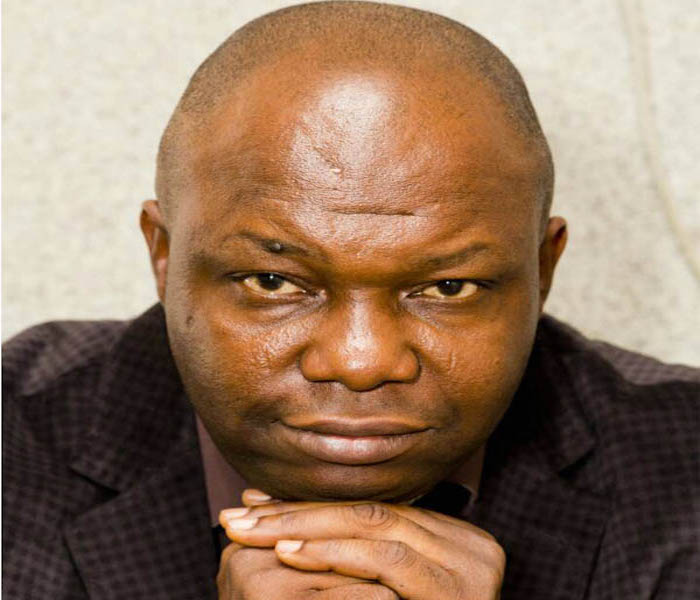
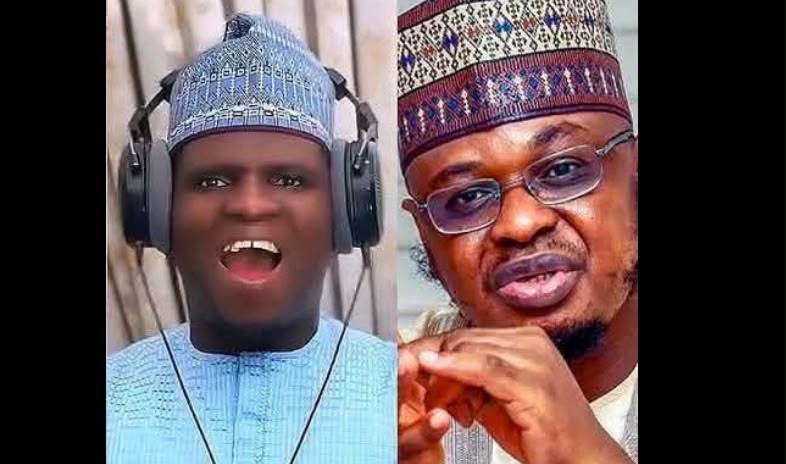
The tension has intensified as politicians, religious leaders, lawyers, civil society members, and social media users debate whether Rarara crossed the line between political criticism and personal attacks. Although Rarara never names Isa Pantami directly, political watchers see who he is targeting. Within hours of its release, the song spread across Facebook, X, TikTok, WhatsApp, and YouTube, gathering millions of views and becoming a hot topic in northern Nigeria. The discussion revolves around where political speech stops and character attacks begin.
Part of the debate includes Rarara and several Hausa social influencers like Danbilki Kommander, who openly claim the National Security Adviser, Nuhu Ribadu, and Bola Tinubu as their protectors. They think they can insult anyone without consequences. Another issue is that Isa Pantami is not just a politician but a respected Islamic scholar. The mix of religion and politics has heated the conversations. Some musicians have come out with songs defending Pantami's religious and political standing.
Rarara gained national fame as a strong cultural voice supporting former President Buhari and the APC. His campaign songs became a key part of Buhari's image and were often played at political rallies in northern Nigeria. Rarara's wealth has become legendary. He has set a path for many young musicians to follow today. Sadly, they are dropping civil language from political talk, and insults are now the new normal. This is worrying because no one is discussing candidates' plans anymore. Emotional decisions are being made based on how people react to the insults in popular songs. This is a troubling situation.

Comments
No comments yet.