Reps ask Customs for details on ₦34tn duty waivers and revenue records
The House of Representatives wants a detailed report from Customs on ₦34 trillion in duty waivers. They aim to ensure these waivers benefit Nigeria's economy.
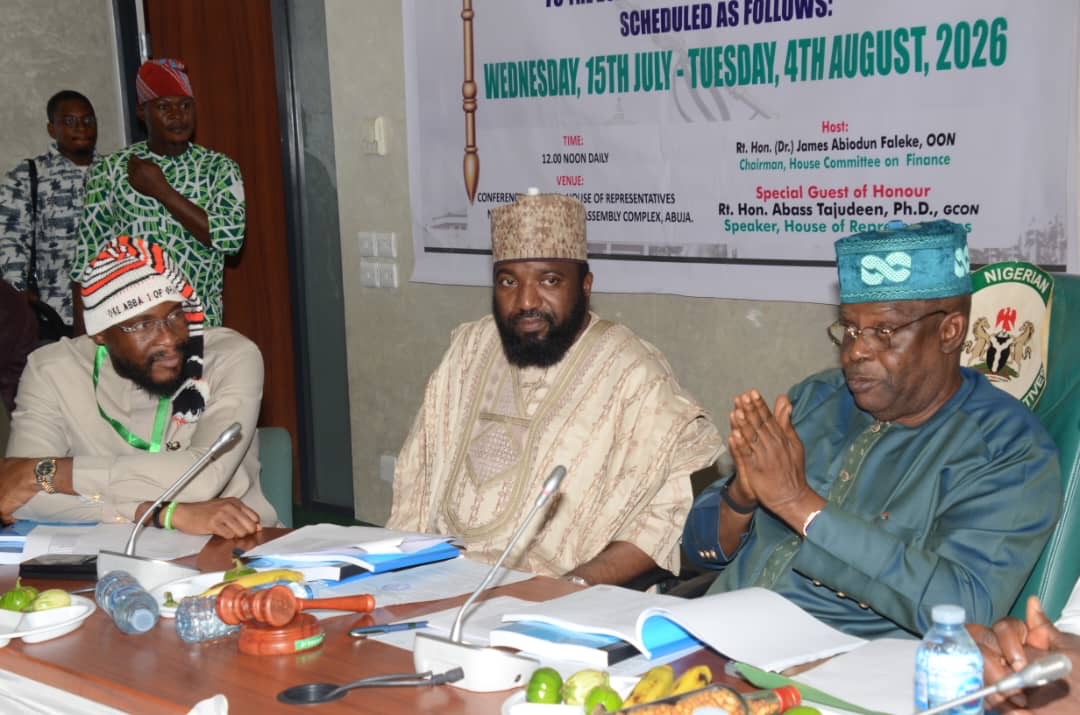
The House of Representatives Committee on Finance has told the Nigeria Customs Service (NCS) to give a clear report on the nearly ₦34 trillion in import duty waivers given in 2025. This request comes as lawmakers are closely looking at how the government collects money and handles its finances.
The committee made this demand on Wednesday during a meeting with NCS officials. This is part of the National Assembly's ongoing effort to review how revenue-generating agencies operate.
James Faleke, the committee chairman, said lawmakers do not oppose the federal government's policy of giving import duty waivers. But he stressed that the process should be clear and beneficial to Nigeria's economy.
He asked Customs to send a detailed report listing all the people and companies that benefited from the waivers, the legal reasons for these waivers, and what goals they were supposed to achieve.
Mr. Faleke explained that the committee wants to know if these waivers are really helping the economy, especially in important sectors like agriculture and healthcare. "Waiver is good. It is not a bad thing to grant a waiver. But we want to know those who benefited from the waiver and the purpose of such waiver. It is okay if you grant a waiver on medical and agricultural products."
He added, "If you grant a waiver, it is aimed at helping the economy to grow. For example, if you grant a waiver on agricultural products, it is intended to reduce food costs. So, we are not against the waiver. But we want to know the beneficiaries of this ₦34 trillion waiver."
Customs Revenue Concerns
The committee also questioned Customs about differences in its revenue reports. This is despite the agency often exceeding its annual collection targets. Mr. Faleke said the financial reports given to lawmakers do not clearly show how Customs made extra money beyond the set targets. He noted that the committee needs a monthly breakdown to understand the agency's performance better.
"We are not going to applaud your efforts now because your account books are not balanced. We know that you want to be transparent, but you have not told us how the excess money you are reporting came about."
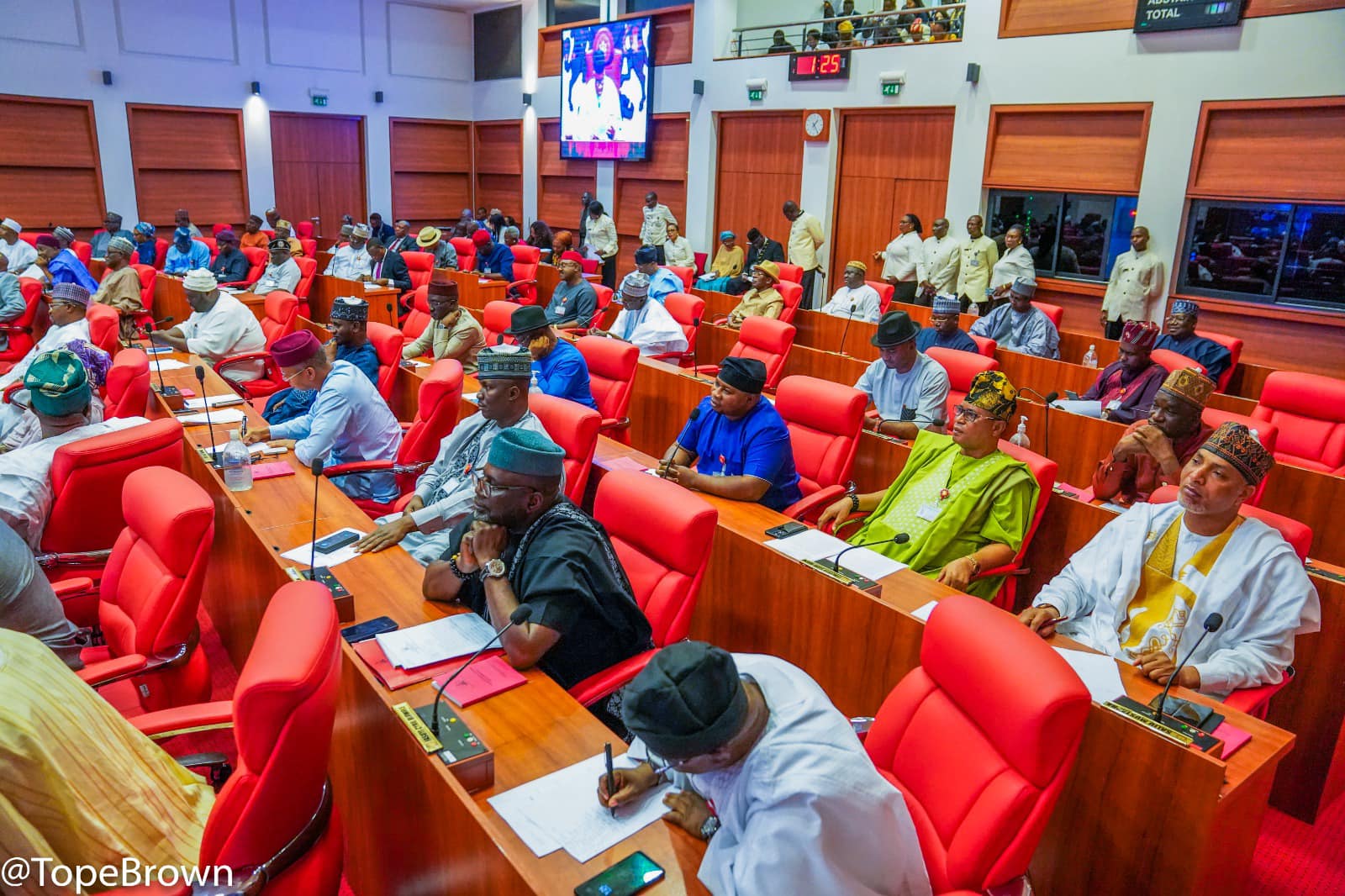
He continued, "I can see that in some months, you under-declare your revenue collection, and in other months, you overshoot the collection. We want to know what is responsible for this. You have to provide these little details that will help us properly assess your performance."
The Deputy Chairman of the committee, Saidu Abdullahi, suggested that the federal government should raise the revenue targets set for Customs. He believes the agency’s consistent overperformance shows it can earn more for the government.
"I personally believe that they can do more than the target we give to them. I think we are not pushing them enough. That is why they will always come up with excesses. In 2024, you were given a target of ₦5 trillion, and you generated ₦6.1 trillion. In 2025, you were given a target of about ₦6 trillion, and you generated ₦7.2 trillion. I believe that if we push you enough, you can do better," he said.
Customs Response
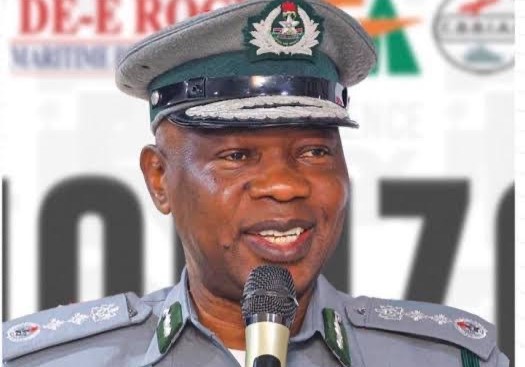
In response, the Comptroller-General of Customs, Bashir Adeniyi, through the Deputy Comptroller-General for Finance, Administration and Technical Services, Kikelomo Adeola, said the Nigeria Customs Service does not approve import duty waivers. She explained that the agency only carries out waivers approved by the Federal Ministry of Finance based on existing laws and policies.
To improve trade, Mrs. Adeola called on state governments to set up inland dry ports. She said this would help reduce congestion at seaports and speed up cargo clearance.
"I will encourage all state governments to invest in inland dry ports. That will have a lot of impact on our operations. Any cargo that is marked for such an inland port will not be delayed at the main port. The container will be transported directly to the inland port, where it will be examined. That will reduce the pressure at the nation’s ports and increase trade facilitation in the states," she said.
She also informed lawmakers that most cargo scanners used by the Service are working, with only a few needing repairs. However, committee member Ifeanyi Uzokwe urged Customs management to punish officers whose carelessness leads to equipment failures or delays in processing cargo.



Comments
No comments yet.