Reps want Lagos-Calabar Coastal Highway plans reviewed
Lawmakers want the Lagos-Calabar Coastal Highway route to stay through Ondo and Delta States. They believe changes could harm trade and economic growth in coastal areas.
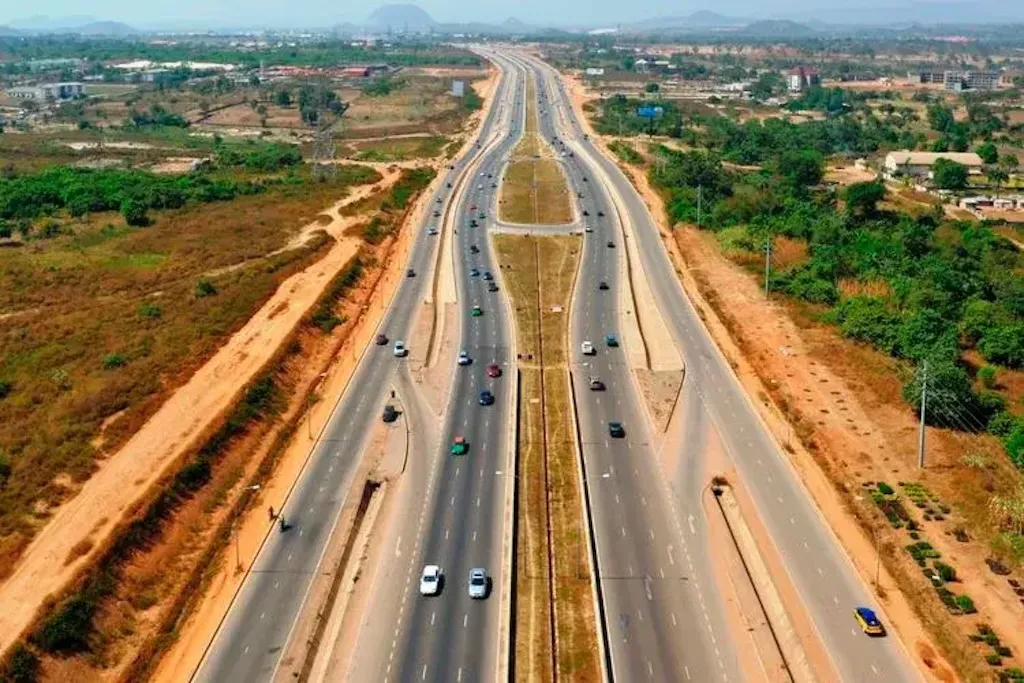
The House of Representatives has called on the federal government to keep the original route of the Lagos-Calabar Coastal Highway through Ondo State and the Escravos, Ogheye, Ugborodo area in Delta State. They want a review of the suggested changes to this route.
The lawmakers pointed out that moving the highway away from coastal communities might hurt the project’s main goals. These goals include improving connections, boosting trade, and creating economic chances in the area.
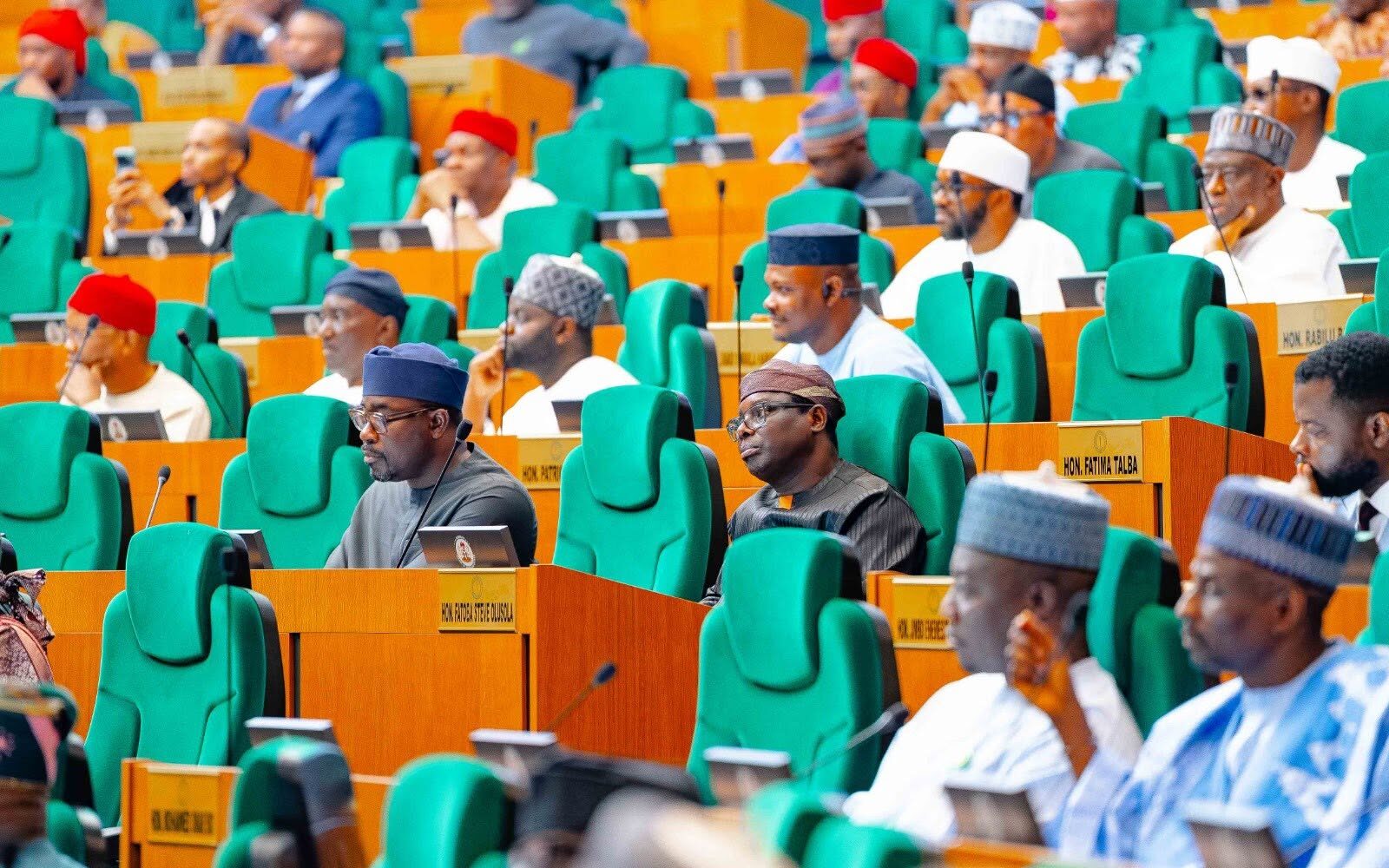
Thomas Ereyitomi (APC, Delta) presented the motion during Wednesday’s meeting.
Ereyitomi expressed worries about the new route going around riverine communities in Delta State. These include Ogheye, Orere, Ugborodo, and Escravos, where important oil and gas facilities are located.
The Lagos-Calabar Coastal Highway is a key federal road project meant to link communities and economic areas along Nigeria’s Atlantic coast. It stretches from Lagos to Calabar in Cross River State, covering about 700 kilometers. The aim is to enhance movement, trade, and access to coastal communities across multiple states.
Recently, the federal government defended the proposed changes to some parts of the route. They cited challenges like tough terrain, flooding, weak soil conditions, and risks from climate change.
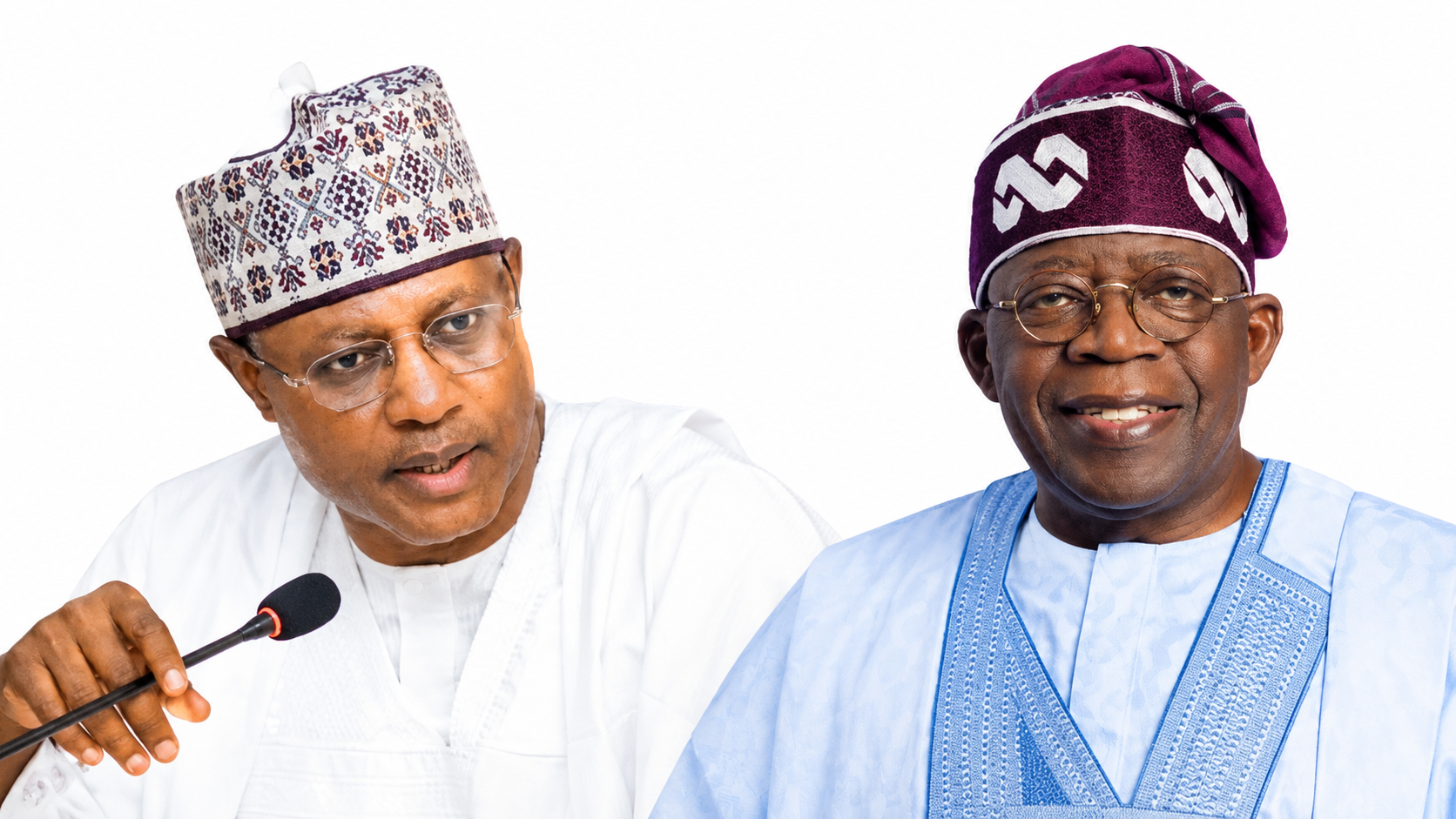
Minister of Works Dave Umahi explained that the government plans to use parts of the existing East-West Road in the affected area, while still keeping the broader coastal highway project intact.
However, the House insisted that any changes to the route should go through an independent review. This review would assess engineering needs, environmental effects, social impacts, and the total costs involved.
Ereyitomi said the new alignment might stop coastal communities from gaining from a project designed to improve connections along the coast.
He stated, “The proposed realignments may compromise the project’s original connectivity and economic-development objectives if their comparative engineering requirements, environmental consequences, socioeconomic implications, and total lifecycle costs are not independently assessed.”
He added that sticking to the original coastal route would better connect communities and economic centers with oil and gas facilities, like the Chevron tank farm and Escravos Gas-to-Liquids plant.
He also mentioned that the route would improve the transport of workers, equipment, and goods while allowing for better connections to roads and other infrastructure in coastal regions.
Ereyitomi urged the federal government to consider the full costs of alternative routes. This includes longer road distances, bridges, ground improvements, environmental protection, compensation, flood defenses, and long-term maintenance.
He suggested that engineering methods like soil stabilization, geosynthetics, piled foundations, reinforced embankments, and elevated viaducts could be used where suitable.
In the discussion, Inombek Abiante, a lawmaker from Rivers, asked why the road should be moved away from coastal communities.

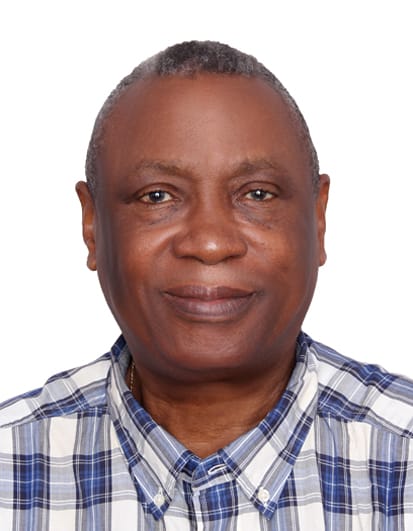
Abiante said these communities have suffered from bad infrastructure even though valuable resources come from their areas.
“If crude oil were found in those areas, would they say the terrain was difficult?” he asked. He wondered if the government would consider rough terrain a valid reason to abandon the area if it was about extracting crude oil.
Abiante also called for the expert who suggested the realignment to appear before the House. He wanted to understand why he should lose any benefits from a project that has long exploited his people.
He pointed out that no environmental impact assessment of the project had been presented to his constituency. Abiante initially doubted if the House Committee on Works could protect his interests. Speaker Abbas Tajudeen asked him to withdraw that statement.
Tajudeen encouraged lawmakers to trust House committees but agreed the committee could be asked to do more work on the matter. Later, Abiante clarified that he wanted the committee to consider the needs of affected communities and also sought an explanation from the Works Minister.
He emphasized that coastal communities should know why the realignment is suggested, so lawmakers can provide accurate information to their constituents.
“We do not want the road to be realigned elsewhere. God has remembered us through Mr President,” he said, recalling that it took nearly 50 years for a road to reach Bonny, despite crude oil first being shipped from there in 1965.
Mark Esset (APC, Akwa Ibom) proposed an amendment. He requested the Federal Ministry of Works to send the Environmental Impact Assessment (EIA) for the highway to the House through the relevant committee.
Esset mentioned that having the assessment would help lawmakers understand the project’s environmental issues and the solutions suggested. He argued that the assessment should have been done before any construction started.
Ademorin Kuye, a lawmaker from Lagos, suggested that the Federal Ministry of Works should review the proposed realignment. He also wanted to ensure there were alternative routes for communities that might be cut off by the changes.
He added that where the main road needed to move inland due to deep water and unstable ground, reinforced coastal feeder roads should be built to connect fishing communities to the main highway.
Kuye asked that those proposing the realignment explain their reasons and that alternative routes be designed to reduce displacement. He also suggested putting a timeline on when these measures should be implemented.
After the discussion, lawmakers voted in favor of the motion when it was presented by Mr Tajudeen.
Comments
No comments yet.