Residents unhappy as cooking gas prices rise again
Cooking gas prices have surged in Abuja, now costing between N1,600 and N2,000 per kg. Many residents are adjusting their cooking methods to cope with the increase.
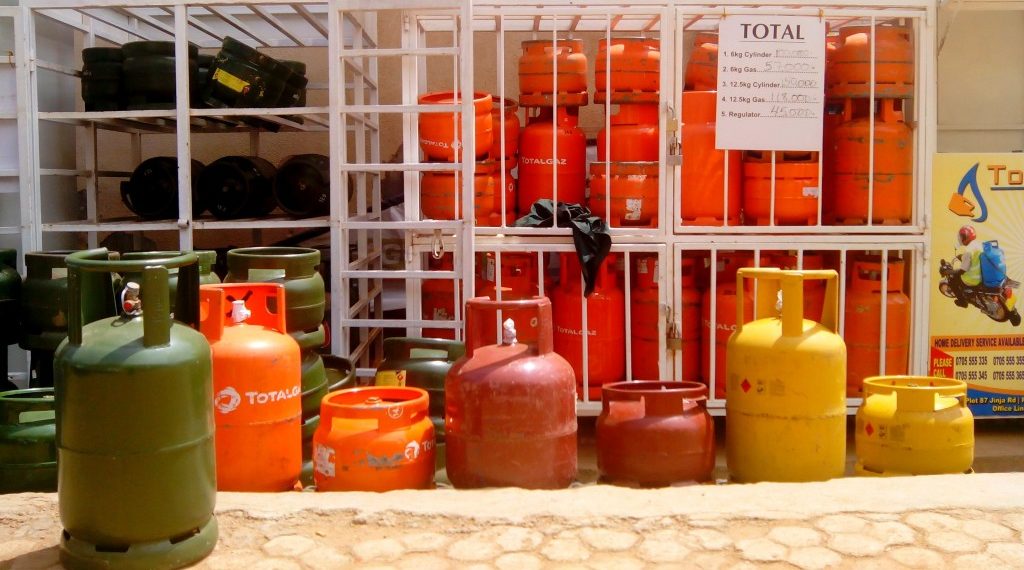
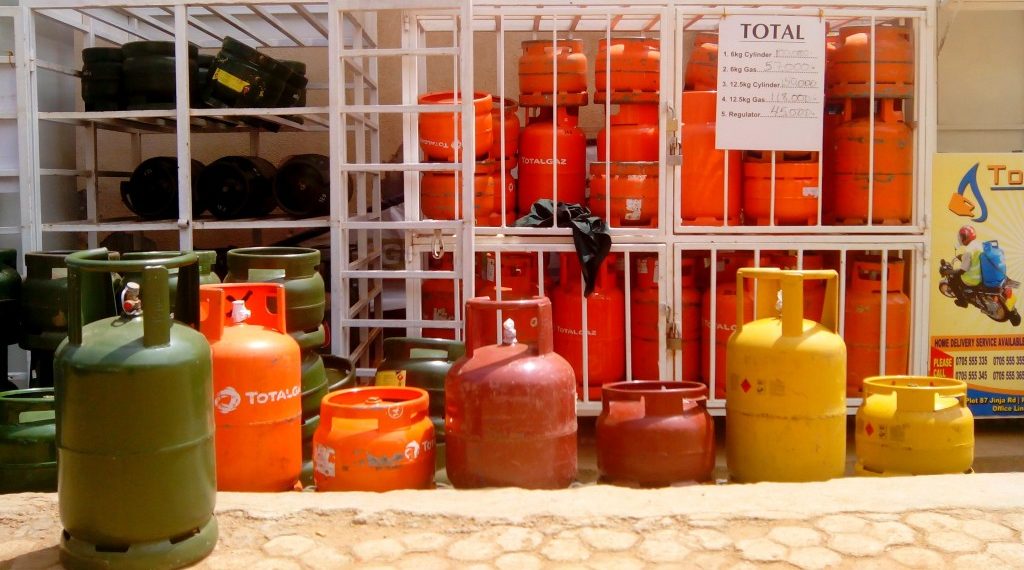
Cooking gas prices have gone up again in the Federal Capital Territory (FCT), now selling for between N1,600 and N2,000 per kg. This new price increase is putting a strain on household budgets.
Many residents spoke to the News Agency of Nigeria (NAN) in Abuja on Sunday. They said the latest jump in prices has made it hard to afford regular refills.
Some households are now rationing gas or mixing its use with traditional cooking fuels like charcoal stoves. They are trying to manage the rising costs.
NAN reports that cooking gas, also called Liquefied Petroleum Gas (LPG), is currently priced between N1,600 and N2,000 per kg across the FCT. Prices vary based on location and the shop.
With these current prices, refilling a 5kg cylinder costs between N8,000 and N10,000. A 12.5kg cylinder now costs between N20,000 and N25,000.
This price increase is another setback for families already facing a tough time due to rising living costs. Cooking gas is an important household item.
Obi Nwosu, who lives in Gudu, said she can no longer fill her cylinder completely. She now buys smaller amounts based on what she can afford.
"Refilling my cylinder at N24,000 is no longer possible, especially with the rising costs of transportation and food. I have to prioritise my expenses, so I only buy the quantity I can afford whenever my gas runs out," she said.
Maimuna Idris from Lugbe has also changed her cooking habits. She started using a charcoal stove along with her cooking gas to save money.
"The price of cooking gas has continued to rise, making it hard for me to fill my cylinder. I had to buy a charcoal stove to cook meals that take longer, like beans, and boil water. Relying only on cooking gas is no longer sustainable," she said.
Asuquo Morgan, a resident of Karu, said he has cut down on how much cooking gas he buys.
"My income has not increased, but the prices of cooking gas and other essential items keep going up. One has to find a way to survive, so I buy gas in smaller amounts. Otherwise, some households may face financial problems. The government needs to find a lasting solution to the rising cost of cooking gas. Many households depend on it for cooking. If prices keep rising, people may have to go back to using firewood," he said.
Bidemi Ajayi from Lokogoma said the new price increase has made her financial situation worse.
"Everything now requires careful planning, so I buy gas in small amounts, like 5kg, and manage it to meet other household needs, which is also tough. We appeal to the government to make sure that cooking gas stays affordable. Prices cannot keep going up while many people struggle to eat just one meal a day," she said.
NAN recalls that in October, cooking gas prices were between N1,360 and N1,700 per kg in the FCT. This increase followed one in September when prices ranged from N1,450 to N2,000 per kg in parts of the FCT after a period of stable prices.
Experts have said the rising cost of cooking gas is due to supply issues, high logistics and transportation costs, foreign exchange changes, and events in the global energy market.
The Nigerian Midstream and Downstream Petroleum Regulatory Authority (NMDPRA) also mentioned that low domestic supply, low import volumes, and poor distribution infrastructure contribute to the rise in LPG prices.
NAN also reminds us that on June 22, the federal government instructed the NMDPRA and other agencies to increase monitoring and crack down on marketers hoarding and diverting LPG.
The Minister of State for Petroleum Resources (Gas), Ekperikpe Ekpo, issued this directive during an emergency meeting about rising cooking gas prices. Mr Ekpo said the government is focused on increasing domestic supply, reducing dependence on imports, and ensuring that locally produced LPG is used for domestic needs.





Comments
No comments yet.