Senate expresses concern over agencies not following resolutions, considers sanctions
The Senate has accepted a report highlighting that many agencies are not implementing resolutions effectively. Sanctions may be considered for non-compliance.
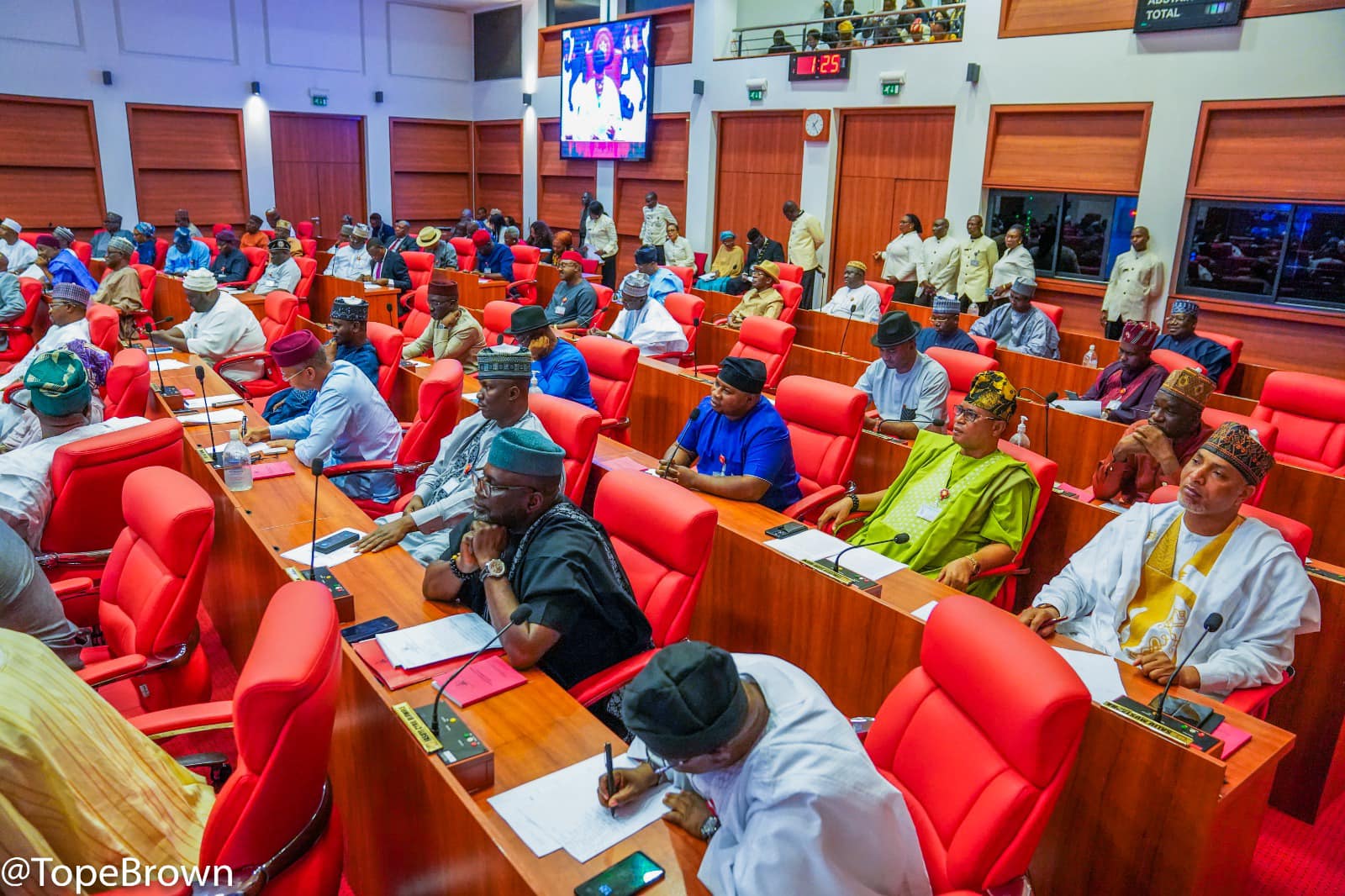
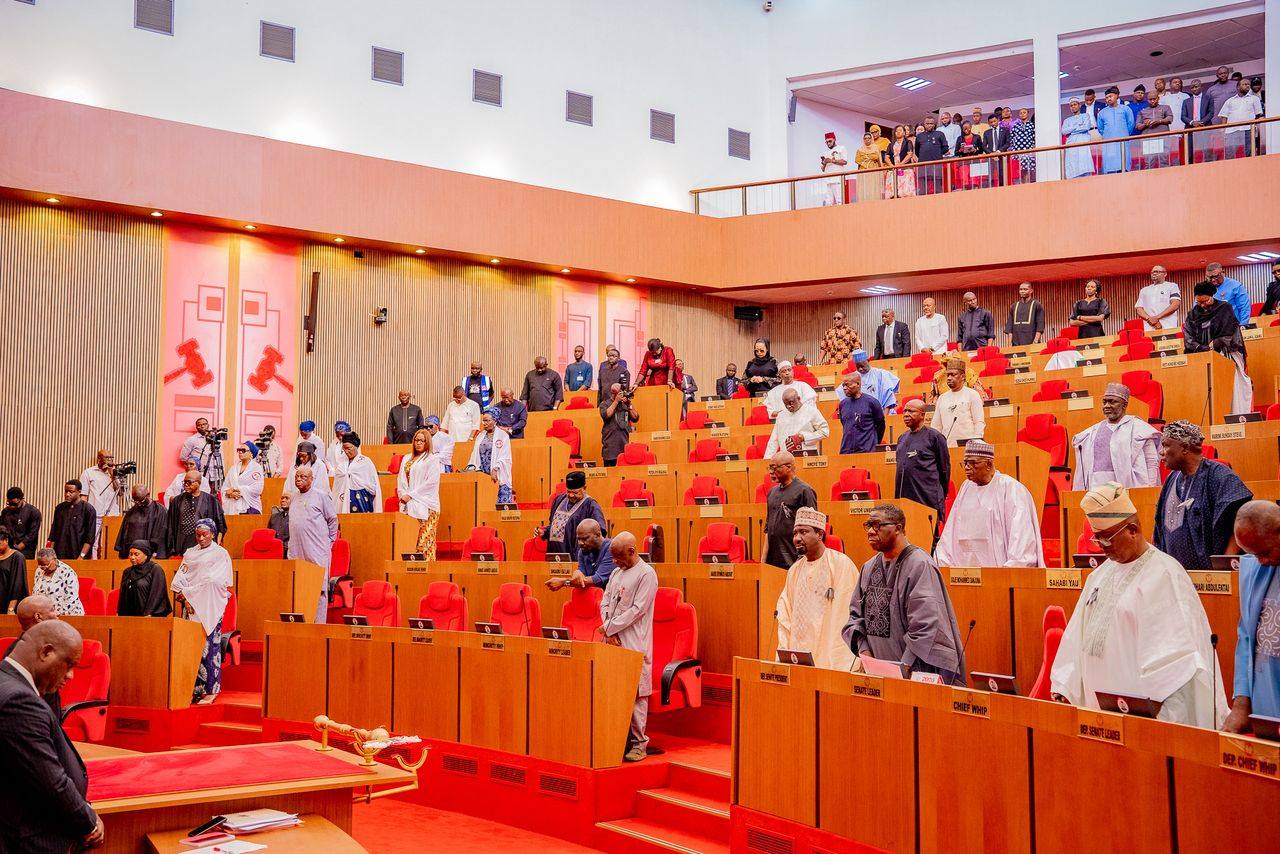
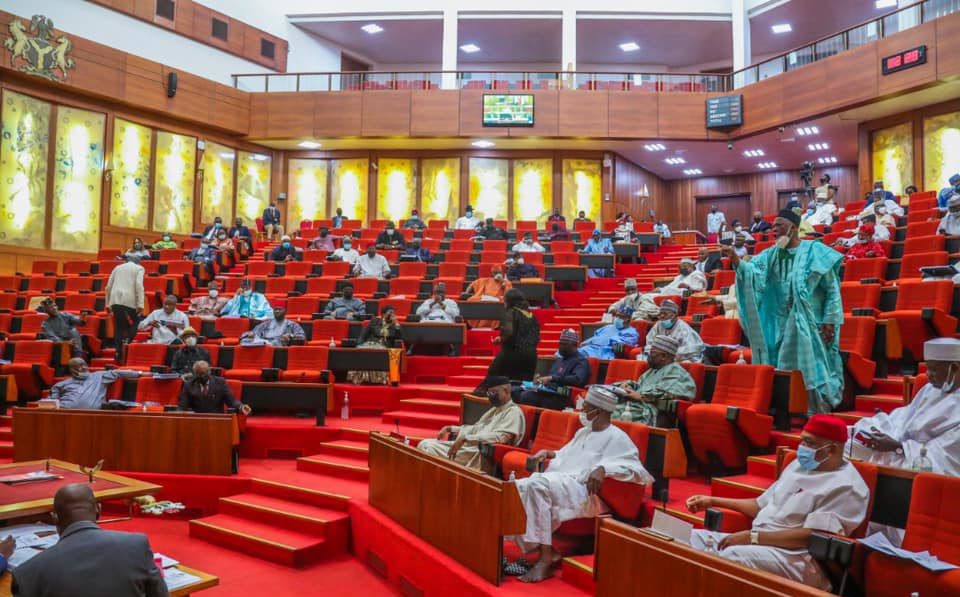
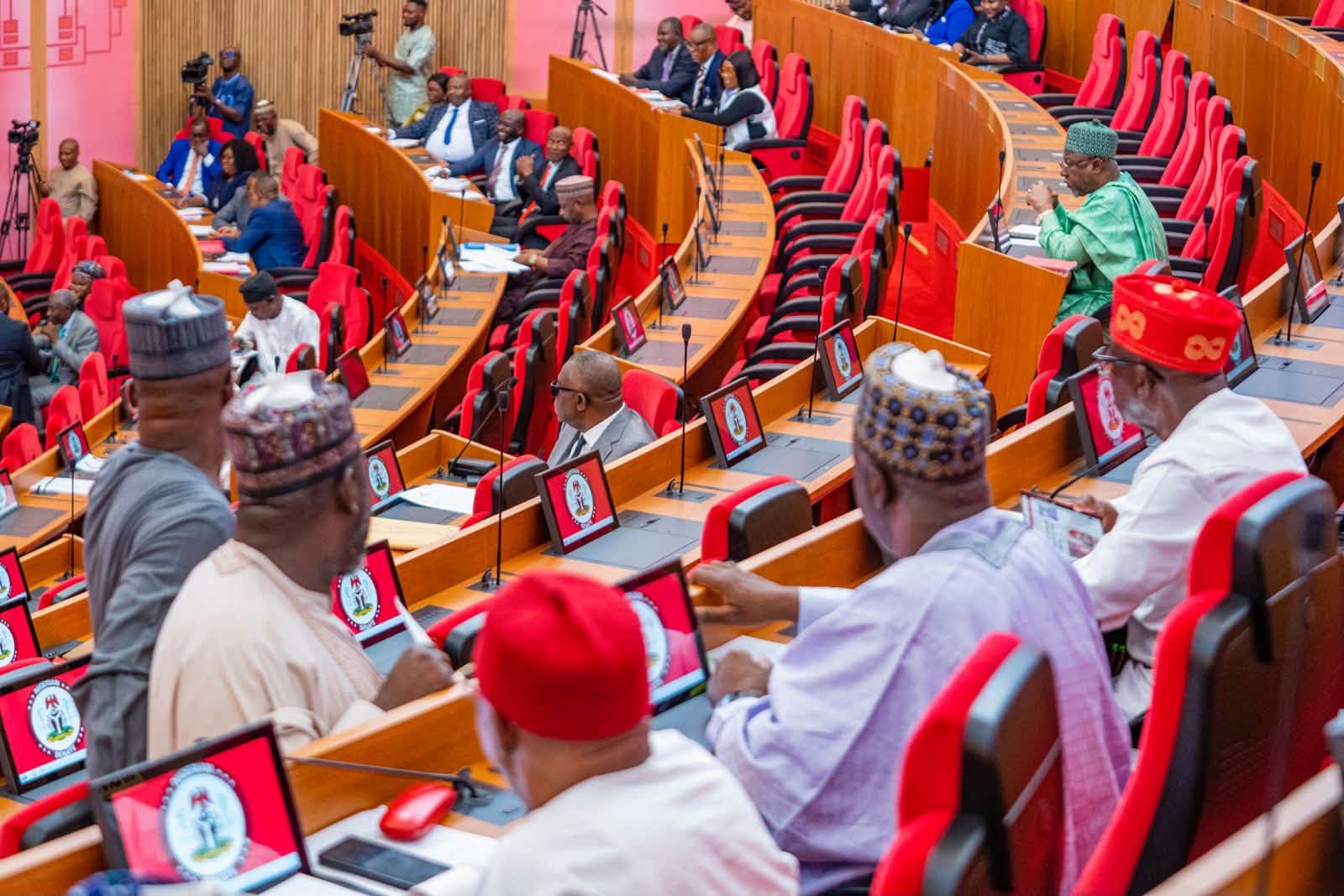
The Senate on Wednesday accepted a report from its Committee on Legislative Compliance. This report looked at how well resolutions from motions passed between July 2023 and December 2025 were carried out.
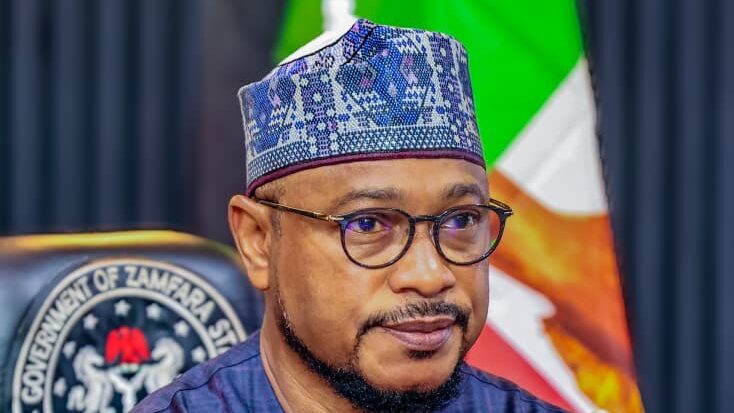
The committee's chairman, Garba Maidoki, presented the report during plenary. It examined how Senate resolutions impacted Nigerians and how ministries, departments, and agencies (MDAs) followed up on key issues like road repairs and disaster management.
Mr Maidoki, who represents Kebbi South Senatorial District, said the committee monitored how these resolutions were implemented. He found that many MDAs either delayed or ignored them.
He noted that even with the committee's efforts, many MDAs often failed to respond. He described this as a sign of disrespect for the authority of both the committee and the Senate.
"Implementation of Senate resolutions often takes time and sometimes is ignored. The executive holds the final say on implementing Senate resolutions. Many MDAs do not respond to requests for compliance information, which shows a disregard for the committee's and Senate's powers."
Mr Maidoki explained that some MDAs did not implement Senate resolutions, especially regarding road repairs and disaster management. This was often due to a lack of funds in the budget for these projects.
The Nigerian Constitution allows both the Senate and the House of Representatives to make laws for peace and good governance in the country. Lawmakers have several important jobs, including making laws, overseeing government agencies, and addressing petitions from citizens.
They also sponsor motions asking for legislative action on issues affecting their areas, like security, health, and education. These motions often include resolutions directing the federal government or relevant MDAs to take certain actions. But unlike laws, motions do not have legal power.
During its investigation, the committee found that many resolutions were not implemented. One such resolution asked the federal government to compensate the family of Eromonsele Omhonria, a two-year-old boy killed by a stray bullet during a National Drug Law Enforcement Agency (NDLEA) operation in Asaba, Delta State.
This incident happened on 13 July 2023 during an NDLEA raid in Okpanam, Oshimili North Local Government Area. Afterward, Senator Ned Nwoko from Delta North submitted a petition for the family in July 2023. The petition, signed by lawyer Matthew Edaghese on behalf of Eromonsele's father, was sent to the Senate Committee on Ethics, Privileges, and Public Petitions for investigation.
The committee, led by Neda Imasuen, recommended that the federal government, with presidential approval, pay the family N200 million. They also stated that the NDLEA should take full responsibility for Eromonsele's medical treatment, preferably abroad, to restore his sight.
The Senate supported these recommendations. Senate President Godswill Akpabio urged President Bola Tinubu to approve the compensation quickly to show the government's commitment to justice.
But the Legislative Compliance Committee said this resolution has not been acted on yet. "The NDLEA has not addressed the medical treatment for Eromonsele, who was shot in the eye by one of its officers. This is due to a lack of access to funds needed for the child's treatment abroad," he said.
The committee also pointed out the Nigerian Railway Corporation's (NRC) failure to comply with the Senate's order to reinstate its former worker, Paddy Ukpe. "Agencies that should reinstate fired workers often do not follow the Senate's orders. A clear example is the NRC's continued failure to reinstate Engr Paddy Ukpe, despite the committee's repeated interventions," he added.
Mr Maidoki also noted that some lawmakers sponsor motions without fully checking the issues. "Some agencies told to implement Senate resolutions lack the necessary authority to do so. Motion sponsors often do not investigate matters thoroughly before seeking legislative action. Multiple motions related to action from a single agency can affect how well resolutions are implemented," he said.
The committee suggested that the Senate impose budgetary or other penalties on MDAs that do not respond to or act on its resolutions. The affected agencies include the Federal Ministries of Works, Health, Power, Petroleum Resources, Humanitarian Affairs and Poverty Reduction, Information, Environment, and Solid Minerals Development. Others are the State Security Services (SSS), Nigeria Centre for Disease Control (NCDC), Federal Inland Revenue Service (FIRS), Federal Roads Maintenance Agency (FERMA), Ecological Fund Office, NDLEA, Federal Civil Service Commission, and the Office of the Head of the Civil Service of the Federation.
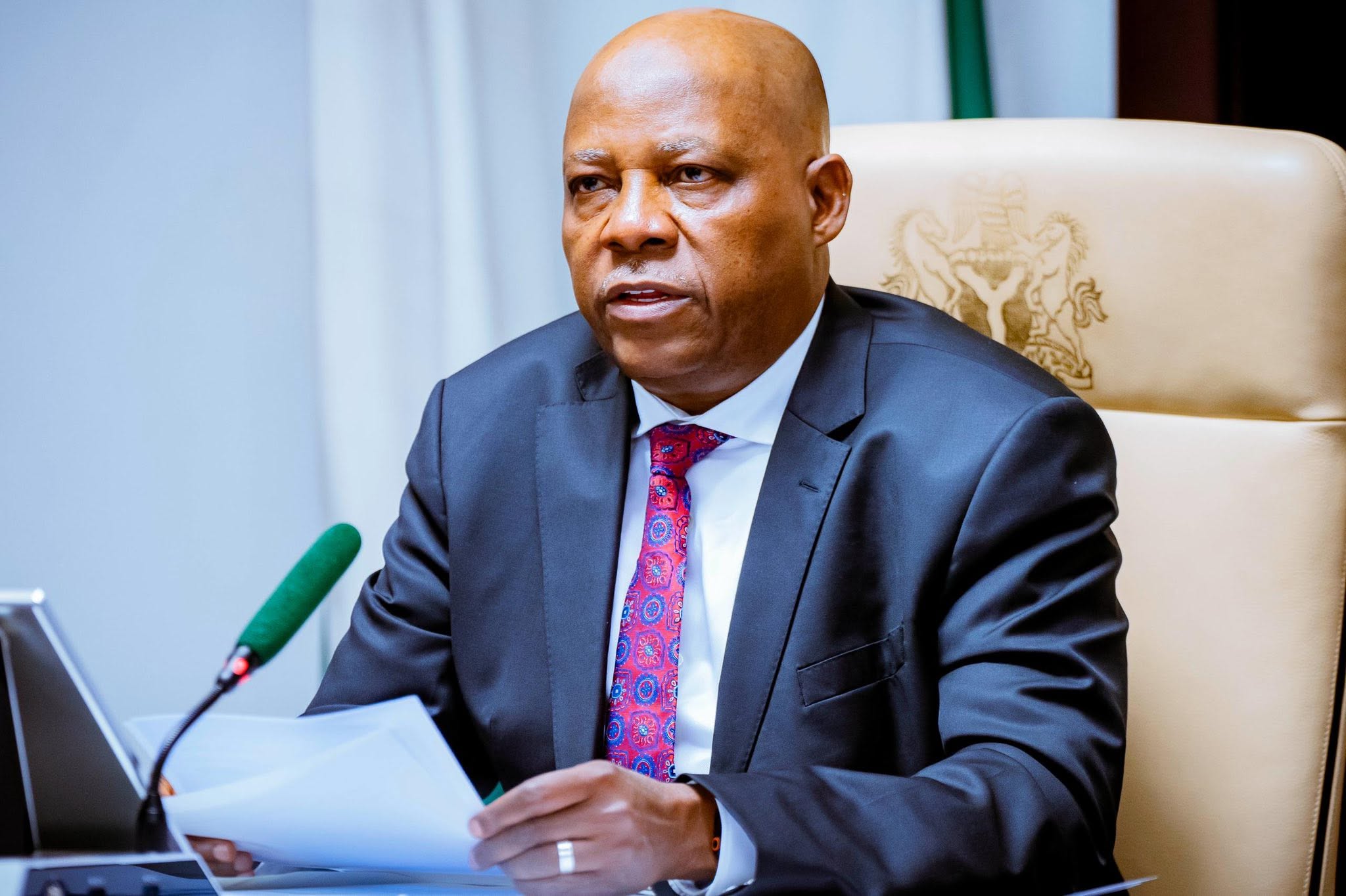
After the report was presented, the Senate President praised Mr Maidoki for the detailed report. He urged senators to carefully review its findings. He then put the report to a voice vote, and most senators supported it.
Comments
No comments yet.