Senate Panel Questions CBN on Inflation and Banking Issues
The CBN Governor discussed inflation and banking issues with the Senate Committee. He reported improvements in the economy and ongoing challenges.

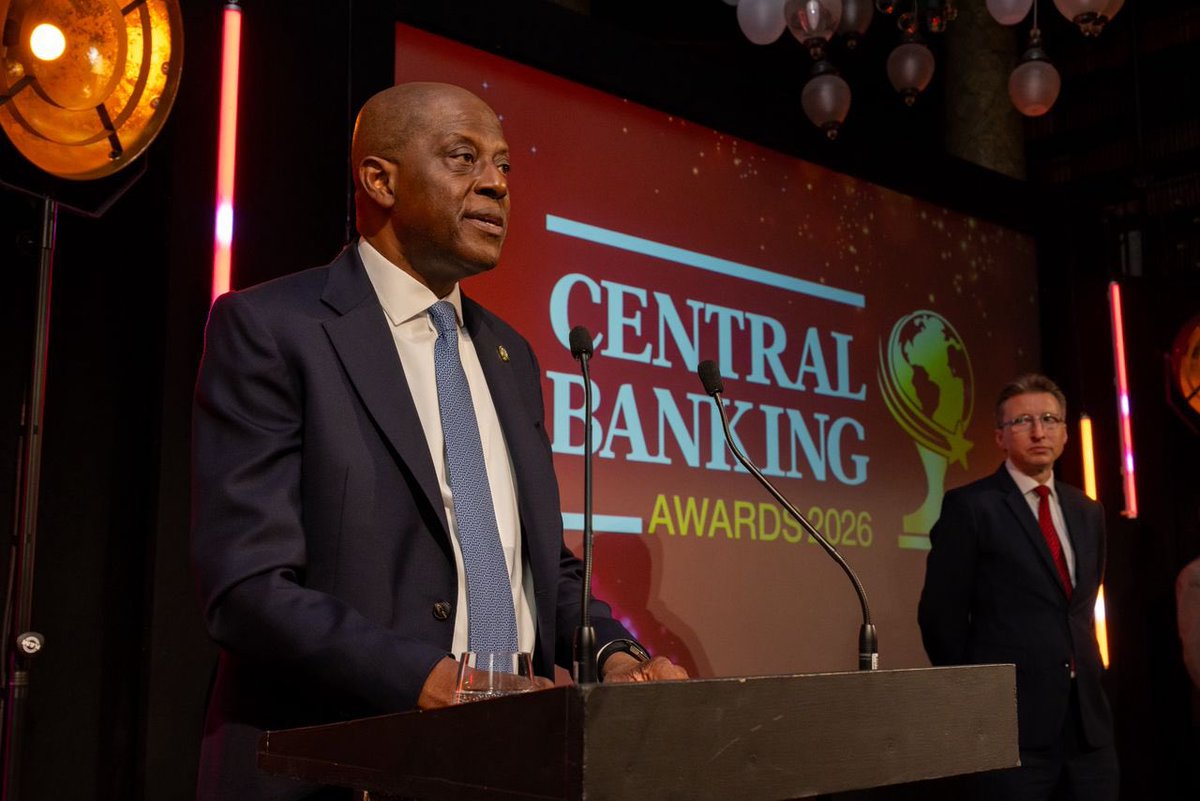
The CBN Governor, Olayemi Cardoso, said that in the first half of 2026, the bank saw further improvements in the economy. This came from coordinated policy actions taken over the last three years.
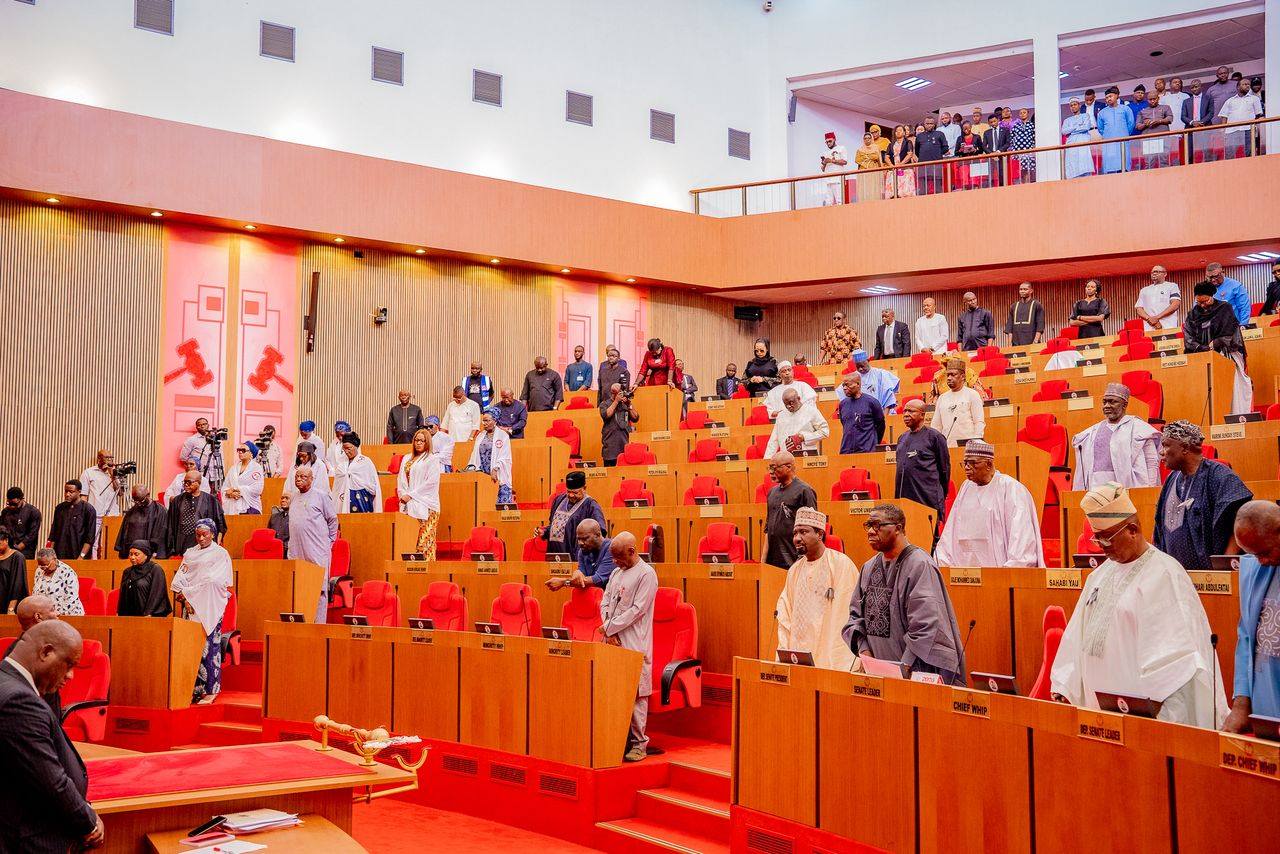
Mr Cardoso spoke on Wednesday when he led a team from the bank to meet with the Senate Committee on Banking, Insurance and Other Financial Institutions.
The committee, led by Adetokunbo Abiru (APC, Lagos East), held the meeting according to the CBN Act. This law requires the CBN governor to update the National Assembly twice a year.
This was the committee’s first official meeting with the CBN in 2026. They examined the bank’s record on inflation, bank recapitalisation, foreign reserves, foreign exchange management, and other monetary policies.
“When I last appeared before this committee in December 2025, I reported encouraging progress in inflation moderation, foreign exchange market stabilisation, external reserves accumulation, reform of market infrastructure and significant advances in the banking sector recapitalisation programme.
“I am pleased to report that the first half of 2026 witnessed the consolidation of many of those gains,” Mr Cardoso told the committee.
He noted that inflation started to decrease again after a temporary spike caused by the conflict in the Middle East. The CBN Governor mentioned that headline inflation rose from 15.06 percent in February to 15.93 percent in May before falling slightly to 15.91 percent in June.
“This outcome shows the effectiveness of our monetary policy in controlling second-round inflationary pressures and managing inflation expectations. We remain fully committed to restoring price stability and achieving single-digit inflation over the medium term,” he said.
Mr Cardoso also said reforms in the foreign exchange market improved transparency, market confidence, and liquidity. He added that these reforms have cut down on speculative activities, built investor confidence, and stabilised the naira.
He revealed that the average exchange rate rose to N1,375.40/$ in the first half of 2026. He also noted that diaspora remittances through official channels jumped from about $200 million to over $600 million monthly after the reforms.
The CBN aims to increase monthly remittances through official channels to $1 billion by the end of the year. Mr Cardoso also stated that Nigeria’s external reserves reached $52.73 billion as of 9 July 2026.
On banking reforms, Mr Cardoso said banks raised N4.65 trillion in new capital, with 72.55 percent from local investors and 27.45 percent from foreign investors. He added that 33 banks met the new capital requirements while talks are ongoing with the few banks that did not comply to protect depositors and maintain financial stability.
“With recapitalisation now completed, our focus has shifted to making sure that stronger capital leads to better governance, improved risk management, and support for productive sectors,” he said.
Earlier, Mr Abiru commented that inflation had decreased earlier in the year and conditions in the foreign exchange market improved before the Middle East crisis caused new inflationary pressures. He noted that inflation fell to 15.06 percent in February 2026, leading the Monetary Policy Committee (MPC) to cut the Monetary Policy Rate (MPR) from 27 percent to 26.5 percent. But inflation rose again to 15.93 percent in May due to external shocks.
Senator Abiru praised the CBN for keeping exchange rates stable, improving transparency in the forex market, and successfully carrying out the banking sector recapitalisation programme.
“Recapitalisation should not be an end goal. The real measure of a stronger banking system is not just bigger balance sheets but also its ability to mobilise savings well and provide affordable credit to productive sectors,” Mr Abiru said.
The committee chairman also raised concerns about a few banks that have not yet met recapitalisation requirements, high bank charges, consumer complaints, and cybersecurity risks.


Comments
No comments yet.