Senate passes bill to strengthen NUC's role in university accreditation
The Senate has approved a bill aimed at updating the NUC Act to strengthen university accreditation processes in Nigeria. This move seeks to enhance education standards.
A bill has passed its second reading in the Senate. This bill aims to repeal and re-enact the National Universities Commission (NUC) Act. It seeks to boost the commission’s power and update university accreditation processes.
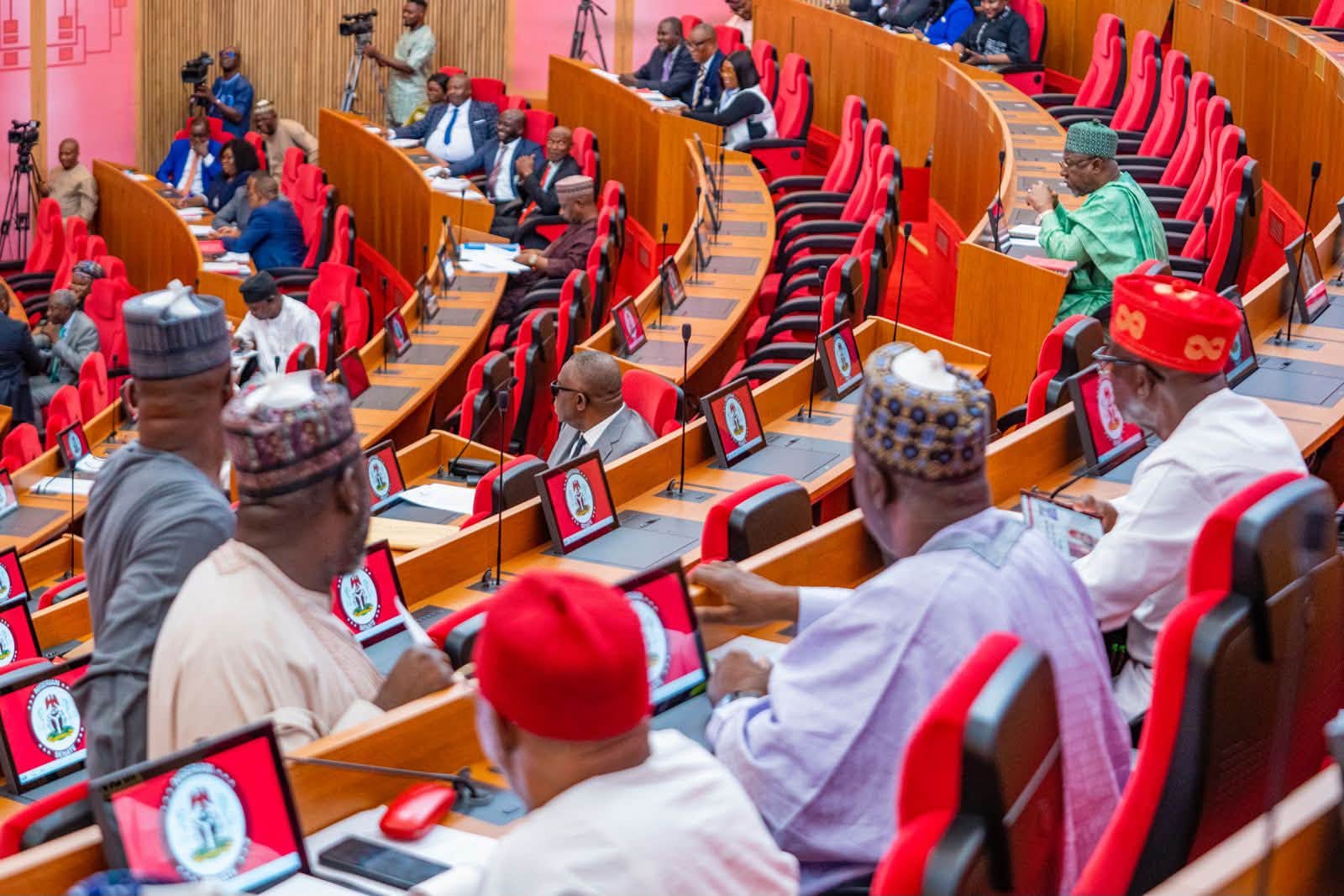
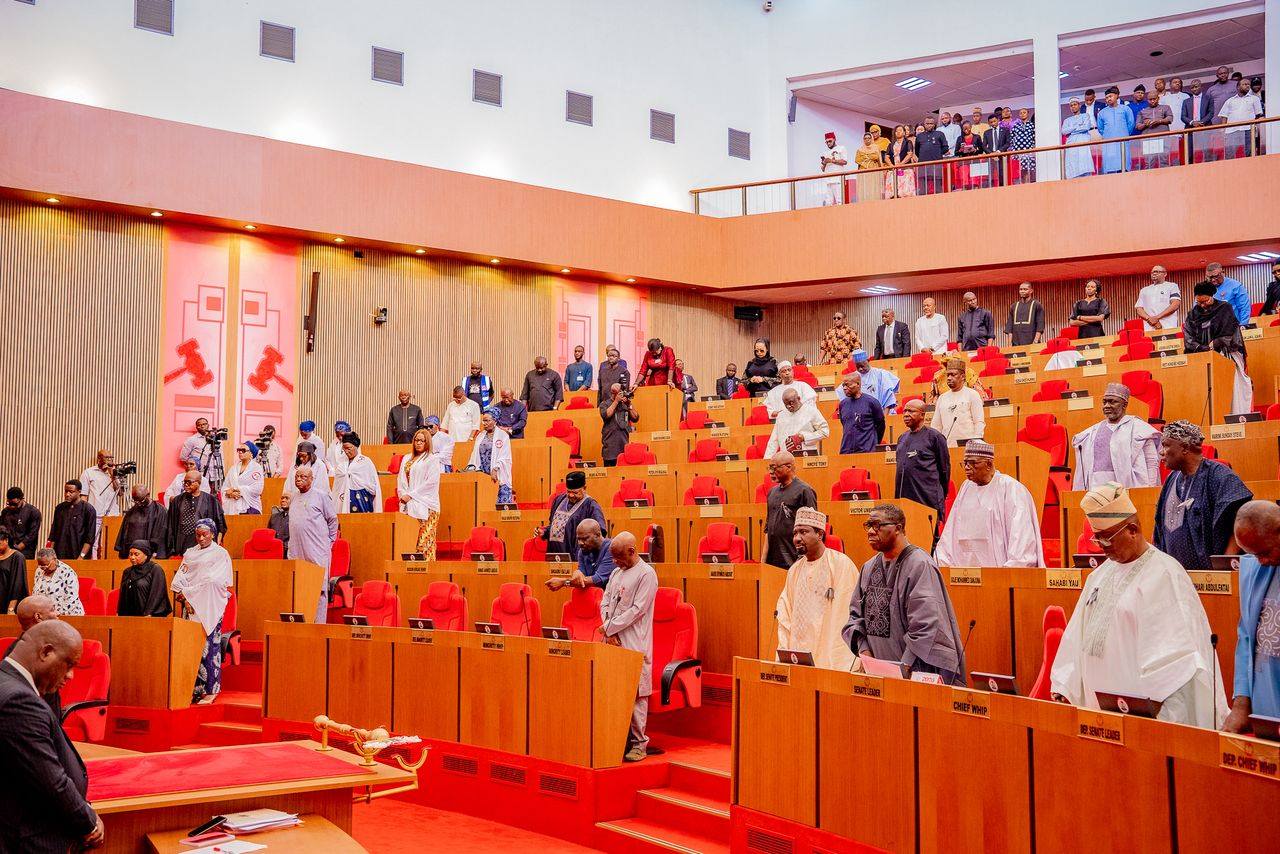
Senate President Godswill Akpabio shared the news during Thursday’s plenary. The bill got majority support through a voice vote.
After passing, the bill was sent to the Senate Committee on Tertiary Education and TETFund. They will carry out more legislative checks and hold a public hearing on it.
The bill is sponsored by the executive, and Senate Leader Opeyemi Bamidele (APC, Ekiti Central) presented it. The goal is to strengthen the NUC’s rules, promote best practices in university education, and support innovation and research.
It also wants to enforce rules against universities that go against the commission’s guidelines. The bill aims to make the NUC the main body in charge of accrediting academic programs in Nigerian universities.
During the debate, Mr. Bamidele said the new law would modernize the old one. He called the existing law outdated because of major changes in higher education.
"As at today, the existing Act has become outdated in light of significant transformations in the higher education landscape, including the proliferation of private universities, the rise of transnational education, rapid technological advancements, globalisation of education, and evolving national development priorities," he said.
He added, "Therefore, the Bill seeks to repeal the obsolete provisions and enact a modern, legal framework that aligns the commission’s mandate with contemporary realities for more effective regulation, enhanced quality assurance, and sustainable development of university education in Nigeria."
Mr. Bamidele explained that the new law would promote university autonomy. It will balance oversight with more freedom for institutions in academic and administrative areas. This will help reduce unnecessary interference.
He also mentioned that the bill would improve the commission’s governance. It will update the board’s composition and functions, boost operational efficiency, and use digital tools for better transparency.
The senator said the law would encourage international partnerships. It will set clearer rules for foreign investment in university education, international collaborations, and attract top academics and students.

In addition, he mentioned that the bill would tackle funding issues in the sector. It will introduce ways to support different funding sources and enhance resource management.
The NUC was set up in 1962 as an advisory agency. It became a statutory body in 1974, officially allowing it to manage and regulate university education in Nigeria.
The commission sets minimum academic standards, approves academic programs, and coordinates the establishment of degree-awarding institutions. It ensures quality across the Nigerian university system and advises governments on education.
The NUC also accreditates programs to confirm they meet the required standards. They send experts to check universities’ curricula, staff strength, physical facilities, and other resources needed for approved programs.
Based on these checks, programs can receive full accreditation, interim accreditation, or be denied accreditation. This depends on how well they meet the commission’s minimum standards.
If a program does not meet the required standards, the commission can deny or withdraw its accreditation. They can also instruct the university to stop admitting new students into that program. The NUC monitors compliance with its rules and can take further action if institutions do not follow the guidelines.
In cases of unlicensed institutions, the NUC has closed them and warned the public against enrolling there. However, the accreditation of a specific program is different from shutting down an entire university, which involves separate regulatory issues.
This proposed legislation comes at a time of major changes in Nigeria’s higher education scene. There is growth in private universities, cross-border education, and an increase in digital technologies in teaching and learning.
The bill aims to update the legal rules governing the commission’s work. It will enhance its ability to enforce academic standards, improve quality assurance, and respond to new challenges in university education.




Comments
No comments yet.