SERAP Calls on FG to Reveal N50,000 Relief Payment Details
SERAP has requested the Minister of Humanitarian Affairs to provide details about the N50,000 relief payment program, including funding and eligibility criteria.

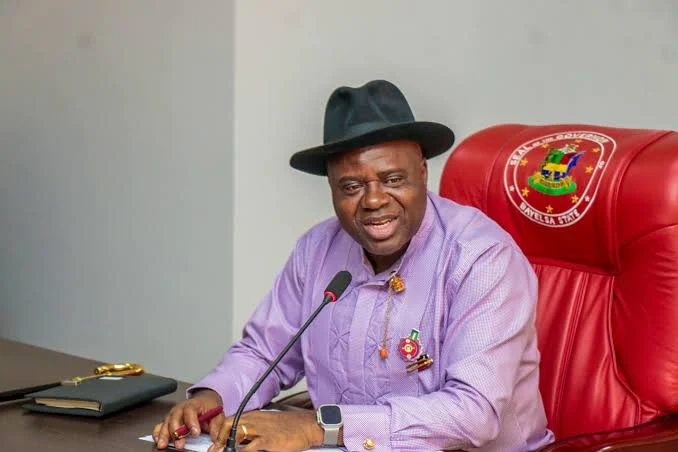
The Socio-Economic Rights and Accountability Project (SERAP) has urged the Minister of Humanitarian Affairs and Poverty Reduction, Bernard Doro, to share details about the ₦50,000 National Emergency Relief and Stabilisation Intervention (NERSI). They want information on funding, how the program is run, how beneficiaries are chosen, payment methods, contracts with financial service providers, and measures to prevent political interference.
SERAP's call comes after the ministry announced NERSI on 30 October 2026. This program aims to assist vulnerable Nigerians with ₦50,000 each. But there are still many unanswered questions about funding, where the program will operate, and how digital financial service providers are involved.
SERAP emphasized the need for the minister to disclose budget allocations, funds used, criteria for eligibility, how beneficiaries are picked and verified, where they are located, and whether the ₦50,000 is a one-time payment or a monthly support.
They also asked him to invite the Independent Corrupt Practices and Other Related Offences Commission (ICPC) and the Economic and Financial Crimes Commission (EFCC) to monitor the implementation of the program, investigate claims of corruption, and ensure that the funds go to the right people.
In a Freedom of Information request dated 7 November 2026, SERAP’s deputy director, Kolawole Oluwadare, stated that Nigerians deserve to know how public funds for NERSI are used, who gets the help, how people are selected, and if the program is really helping those in need.
SERAP pointed out that social assistance funded by the public must be allocated based on actual need and clear criteria. It must not be used to reward political supporters or influence voters, especially with the 2027 general elections approaching.
According to SERAP, beneficiaries should not be required to attend political rallies, support any political parties or candidates, display political materials, or show political loyalty to receive help. NERSI is a government program funded by public money, not a gift or political favor.
The request from SERAP said that getting this information would help Nigerians see if NERSI is actually helping the right people, if public funds are being used properly, and if there are enough protections against corruption and political meddling.
This disclosure would also help build public trust in social assistance programs. It would ensure resources meant for vulnerable Nigerians are used correctly.
SERAP requested that the information be provided within seven days of receiving the letter. If there is no response, SERAP plans to take legal action to make sure the Ministry and other authorities do their job and implement NERSI transparently and accountably.
SERAP is worried about reports that some Nigerians who got messages about the ₦50,000 assistance could not access or withdraw the money. Others received messages saying they were not eligible.
These issues raise concerns about how beneficiaries are verified, how reliable the payment systems are, and how complaints about failed or disputed payments are handled. The Ministry needs to look into these complaints and publish what they find to ensure all eligible people get the help they are supposed to receive.
SERAP also wants the Ministry to share details about the agreements with the digital financial services used for NERSI payments. This includes companies like ALAT, MoMo PSB, NairaGram, OPay, and Moniepoint, along with their roles, fees, and performance.
Using the National Social Register and national identity records to identify beneficiaries must follow clear rules and protect data. The Ministry should clarify how these records are used and ensure beneficiaries’ personal information is safe, while making anonymous data available for public review.
SERAP acknowledges the need for financial help for Nigerians facing poverty and hardships. But a program using public funds and personal details of vulnerable people must be run with clear rules, objective criteria, proper safeguards, and independent oversight.
As stated in the Ministry’s announcement on 30 October 2026, NERSI aims to provide ₦50,000 to vulnerable Nigerians. However, there are still important questions about the total funding, how many people will benefit, how long the program will last, and how beneficiaries will be chosen from the National Social Register and verified identity records.
The Ministry's announcement describes the ₦50,000 as a monthly payment. Yet, later FAQs do not clearly state how often or for how long payments will be made. There is also not enough information about selecting digital financial service providers, protecting beneficiaries’ data, verifying payments independently, or resolving payment issues and complaints.
SERAP is also worried about keeping NERSI free from political influences, especially with the 2027 elections coming. There must be clear measures to ensure that selecting beneficiaries and making payments are fair and not affected by politics.
These gaps in information make it hard for Nigerians to know if NERSI is being run fairly and if public funds are really helping those who need it most. Nigerians deserve to understand how the National Social Register and identity records are used to find and verify beneficiaries, as well as the total number of verified beneficiaries by state and local government area, and possibly by ward.
The Ministry is legally required to share an anonymous breakdown of beneficiaries and total amounts paid or planned for payment in each state and local government area. They should also reveal any records showing how political actors are involved in selecting beneficiaries and payments, accessing beneficiary databases, using public resources for the program, and any complaints about political influence before the 2027 elections.
Effective accountability is crucial, especially as the Auditor-General of the Federation raised concerns in the 2024 Annual Report about over ₦78.8 billion in public funds thought to be misused or not accounted for in social programs and cash transfers.
The Auditor-General found issues with ₦33.751 billion in cash transfers made in 2023 where necessary records weren't provided for audit. These findings highlight the need for strong financial controls, good record-keeping, independent checks, and effective oversight from the start of this new program.
SERAP points out that section 15(5) of the Nigerian Constitution requires the State to fight corruption and abuse of power. Section 16(2)(b) demands that the State make sure community resources are used for the common good.
Section 13 holds all government bodies and officials accountable to uphold the Constitution. The Constitution also recognizes the need for social welfare, stating that the State should ensure people have enough food, a fair minimum wage, pensions, unemployment benefits, and support for people with disabilities.
Running social assistance programs effectively and accountably is key to meeting these constitutional goals and ensuring the dignity and welfare of vulnerable Nigerians. Nigeria also has made promises under the UN Convention against Corruption to promote integrity, accountability, and transparency in managing public affairs and funds.



Comments
No comments yet.