Nigeria aims for 25,000 cataract surgeries and five million glasses by 2027
Nigeria plans to offer five million glasses and 25,000 free cataract surgeries by 2027. This initiative targets vulnerable populations to enhance eye care services.
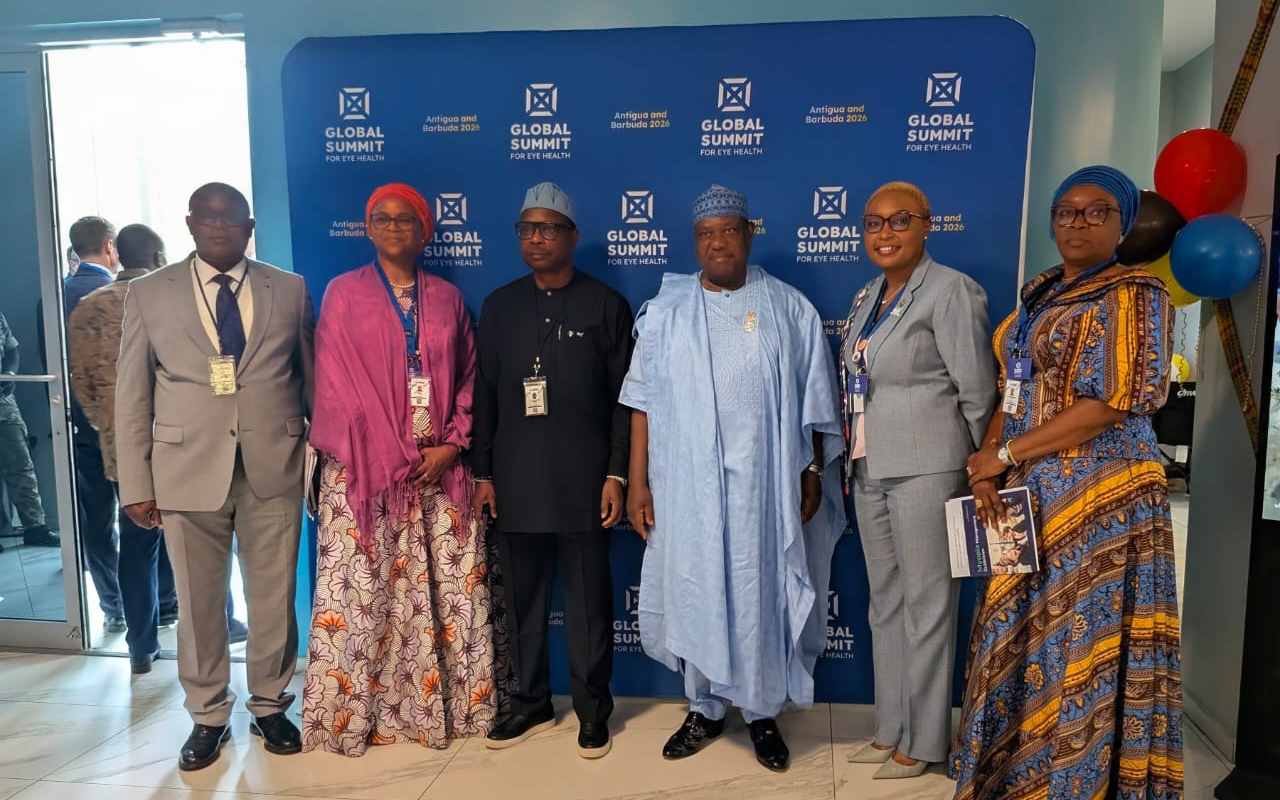
Nigeria has promised to provide five million pairs of reading glasses and 25,000 free cataract surgeries by 2027. This move is part of efforts to make eye care services more available across the country.
The Minister of State for Health and Social Welfare, Iziaq Salako, shared this plan at the Global Summit for Eye Health in St John’s, Antigua and Barbuda, on 2 November.
In his closing speech, Mr Salako said the federal government would also train 15,000 primary healthcare workers. The plan includes adding primary eye care services into the Basic Health Care Provision Fund (BHCPF).
These commitments aim to help eliminate avoidable vision loss and improve access to quality eye care, especially for vulnerable groups.
Mr Salako said the government is focusing on over 25 million vulnerable Nigerians, particularly women, older adults, and those living in underserved rural areas.
He added that Nigeria plans to grow its active eye care workforce by 20 percent. The goal is to boost its national Effective Cataract Surgical Coverage (eCSC) by 30 percentage points by 2030.
He mentioned that the government would gather resources from both the public and private sectors. Nigeria will also work with Commonwealth and international partners to ensure these plans lead to real progress.
Mr Salako explained that Nigeria’s approach builds on the Effective Spectacle Coverage Initiative Nigeria, also known as JigiBola 2.0. This initiative is inspired by the earlier JigiBola program started in Lagos State around 25 years ago.
He remembered volunteering as a young medical officer during the original program, which offered free eye screenings, glasses, and cataract surgeries.
Mr Salako said this initiative is now being expanded into a national program to improve eye care access.
During the summit, one key outcome was a pledge to eliminate cataract-related blindness through the World Health Organisation’s (WHO) Global Cataract Surgery Initiative, called SEE 2045.
Nigeria is one of the countries benefiting from this initiative, alongside Antigua and Barbuda, Bangladesh, Tanzania, and China.


This initiative marks cataract elimination as the second global target for a non-communicable disease in WHO history.
Mr Salako encouraged participating countries to show that expanding access to quality cataract surgery in rural areas is possible.
He also called for proper tracking of successes and results. This will help countries share strategies and tackle the backlog of cataract surgeries.
He pointed out that avoidable vision loss affects more than just health. It impacts education, household income, road safety, and national productivity.
“When a child cannot see the chalkboard, or an artisan or farmer is blinded by cataracts or uncorrected vision problems, the whole community suffers,” he said.
Mr Salako noted that the summit raised $60 million in donations for assistive technology. There were also 15 private-sector commitments worth over $468 million to boost eye care efforts.
He added that organizations made around 143 other commitments beyond those from governments.
Mr Salako emphasized the need for partnerships between governments, the private sector, charities, and international development partners to improve global eye health.
He urged all countries to keep the momentum from the summit going. They need to make sure these commitments lead to real improvements for people facing avoidable vision loss.
“Let us return to our nations as champions of sight, holding ourselves accountable to the millions waiting for a pair of glasses, a timely referral, or a fifteen-minute surgical procedure that can change their lives,” he said.




Comments
No comments yet.