Six Years After #EndSARS, Police Misconduct Continues - RULAAC
Six years after the #EndSARS protests, RULAAC reports ongoing police misconduct in Nigeria, raising concerns about accountability and reform effectiveness.
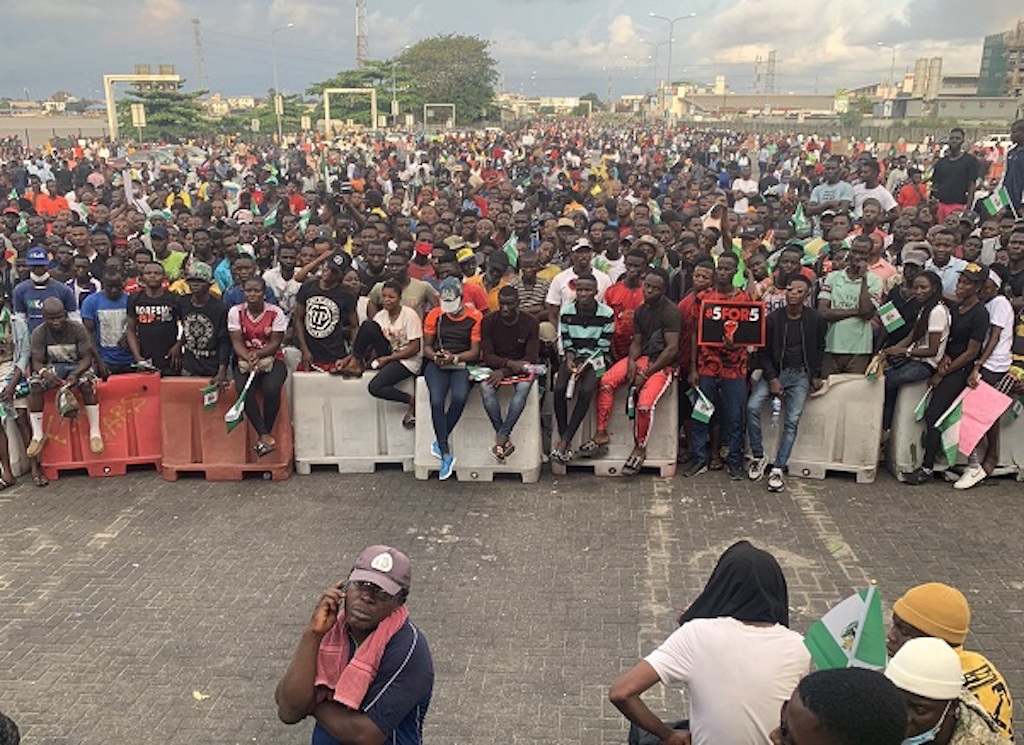
The Rule of Law and Accountability Advocacy Centre (RULAAC) has accused the Nigerian police of keeping a culture of impunity alive six years after the #EndSARS protests.
The group pointed out ongoing claims of torture, unlawful detention, extortion, extrajudicial killings, and enforced disappearances.
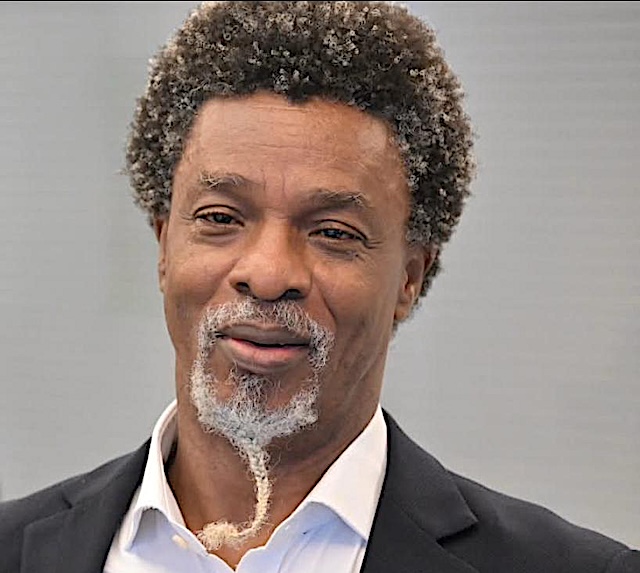
In a statement on Tuesday, marking the sixth anniversary of the protests, RULAAC’s Executive Director, Okechukwu Nwanguma, said that disbanding the Special Anti-Robbery Squad (SARS) and other reform efforts have not changed police practices that sparked the nationwide protests in October 2020.
“The central question six years after #EndSARS is therefore not whether reforms were announced, but whether policing has become more lawful, professional, humane and accountable,” RULAAC stated. “The available evidence shows that the gap between promise and practice remains dangerously wide.”
RULAAC is a non-profit human rights group focused on promoting accountability in law enforcement, responsible policing, and respect for human rights and the rule of law. It played crucial roles before, during, and after the October 2020 #EndSARS protests.
The protests started after years of claims of police brutality, including torture, extortion, unlawful detention, and extrajudicial killings. The demonstrations led to the disbandment of SARS and the creation of judicial panels to investigate complaints and suggest solutions.
The panels received thousands of petitions. Some victims were awarded compensation, and some officers faced recommendations for prosecution or disciplinary actions.
‘Implementation of Planned Reform Remains Weak’
RULAAC recognized that the panels allowed victims and their families to testify publicly, and that some victims received compensation. But, it described the follow-up on the panels’ recommendations as “fragmented, opaque and inadequate,” especially regarding criminal accountability, institutional reform, rehabilitation, and full redress for victims.
The group questioned how many former SARS officers have been investigated, punished, dismissed, or prosecuted. They also asked how many had psychological assessments and retraining, and where those redeployed had been sent.
“Redeployment is not accountability, and changing the name of a police unit is not institutional reform,” RULAAC insisted.
RULAAC also mentioned that laws like the Police Act 2020, the Anti-Torture Act 2017, and the Administration of Criminal Justice Act 2015 are supposed to protect against arbitrary arrests, unlawful detention, and torture. But it argued that daily police practices still do not meet those legal standards.
Some identified actions include arrests before investigations, police involvement in civil matters, long detentions without legal reasons, denial of access to lawyers and family, harsh interrogations, and demands for illegal payments for bail or release.
The organization said these actions show deeper problems in the police system, like poor culture, incentives, supervision, and accountability. It said the issues revealed by the #EndSARS protests existed long before October 2020 and were due to years of ignored warnings about police misconduct.
Mr Nwanguma noted that before starting RULAAC, he worked as the national coordinator of the Network on Police Reform in Nigeria and led the Police Research Project of the Civil Liberties Organisation. Through these platforms, he said civil society groups documented abuses, supported victims, filed petitions, and pursued legal actions.
He stated that past inspectors-general of police announced measures to limit and restructure SARS, but the abuses went on because the directives lacked transparent investigations, effective supervision, or meaningful punishments.
Survivors Still Seeking Justice
To show that survivors are still looking for justice six years later, RULAAC shared the story of a woman named Ngozichukwu. They said she was kidnapped, taken to Abuja, and severely tortured at a facility linked to the Intelligence Response Team, which was formerly led by Abba Kyari.
According to RULAAC, Ngozichukwu faced more torture after being moved to Abuja, suffering broken wrists and deep cuts. They also claimed she was starved, denied medical help, and kept in terrible conditions for a long time.
RULAAC said she was targeted because she contributed money for treating people injured during the #EndSARS protests in the South-east. They noted that Ngozichukwu later took legal action and won a judgment against the police. They alleged that the police have not followed the judgment or paid her the compensation ordered.
They urged the Inspector-General of Police and other officials to ensure that court orders are followed immediately. “A police institution constitutionally charged with enforcing the law cannot place itself above the law,” RULAAC argued, stressing that following court judgments is not optional.
The group said this case shows how victims can face more injustice even after winning legal battles against the police. They also highlighted the case of Adaeze Akwaja, who described severe torture by officers linked to Tiger Base in Imo State and the former Abba Kyari team.
According to RULAAC, Ms Akwaja still deals with serious health issues due to the alleged abuse. The organization called for an independent investigation, proper medical documentation, and effective remedies. “Survivors should not have to become campaigners before the state recognizes and protects their rights,” it said.
Coroner’s Findings Raise Fresh Questions About Tiger Base
RULAAC also demanded that authorities act on recommendations from a coroner’s inquest into the death of Japheth Njoku. A coroner is a judicial officer who looks into deaths, especially sudden or suspicious ones.
Reports from the coroner’s findings say 32-year-old Japheth Njoku died in police custody at Tiger Base, the Imo State Police Command’s Anti-Kidnapping Unit in Owerri, in May 2025. He was held for about six weeks over a theft claim. The coroner suggested prosecuting two police officers for extortion and corruption, and compensating Njoku’s family.
RULAAC stated that the coroner’s findings, released in late September, pointed out serious misconduct linked to Mr Njoku’s detention at Tiger Base, including torture, overcrowding, extortion, and denial of bail. They urged the authorities to implement the recommendations, including further investigation, prosecution where there is evidence, and proper disciplinary action while following due process.
RULAAC also mentioned accounts of people who were arrested and sent to distant detention centers, held without communication, or denied access to their families and lawyers. They said some families are still looking for relatives whose whereabouts are unknown.
Mr Nwanguma said, “No family should be forced to search indefinitely through police stations, military facilities, detention centers, and mortuaries for a relative taken away by state agents,” the organization stated. They called for a central electronic custody register, mandatory notifications of arrests and transfers, independent access to detention centers, and thorough investigations into alleged enforced disappearances.
Demands
RULAAC called on President Bola Tinubu, the Inspector-General of Police, the Police Service Commission, the National Assembly, the National Human Rights Commission, state governments, and relevant prosecutorial bodies to show real progress on police reform.
Their demands include fully implementing existing laws, publishing outstanding judicial panel reports, auditing former SARS personnel, and independent investigations into claims of torture, extrajudicial killings, forced disappearances, and deaths in custody.
They also called for stronger civilian oversight, publicizing disciplinary outcomes, protection for complaints and witnesses, and enforcing court judgments against the police.
RULAAC stressed the need for better police welfare, including improved pay, housing, operational resources, insurance, retirement benefits, and mental health support. They maintained, however, that poor working conditions cannot justify torture, extortion, unlawful detention, or extrajudicial killings.
“Police officers deserve dignity, fair treatment, and decent working conditions. Citizens deserve safety, respect, and protection from abuse,” the organization said. “These objectives are complementary, not contradictory.”
RULAAC emphasized that Nigeria needs consistent enforcement of existing laws and real changes in how officers use their powers, rather than just more announcements of reforms. They added that the events at the Lekki Toll Gate on 20 October 2020 still represent the breakdown of trust between citizens and the state, with ongoing questions about the use of force against protesters and accountability for violations still affecting the government's response.
“Nigeria owes victims and their families more than remembrance,” the organization said. “It owes them truth, justice, effective remedies, and guarantees of non-recurrence.”
RULAAC and #EndSARS
RULAAC is dedicated to accountability in policing. It focuses on legal support, policy criticism, and documenting human rights violations. It has consistently recorded the abuses by the now-disbanded SARS before the 2020 protests.
RULAAC publicly criticized an attempt by the Lagos State Police Command to ban public protests during the peak of the protests in 2023. The organization has also acted as a key watchdog during annual #EndSARS memorials, including at the Lekki Tollgate, where security forces shot at peaceful protesters on the night of 20 October 2020.
It continues to demand full implementation of the reports from the judicial panels set up to investigate cases of police brutality and recommend compensations and reforms.

Comments
No comments yet.