Tax Ombud Calls for Better Teamwork with Revenue Agencies to Safeguard Taxpayers' Rights
The Tax Ombud urges revenue agencies to appoint liaison officers to enhance coordination and accountability. This initiative aims to protect taxpayers' rights.
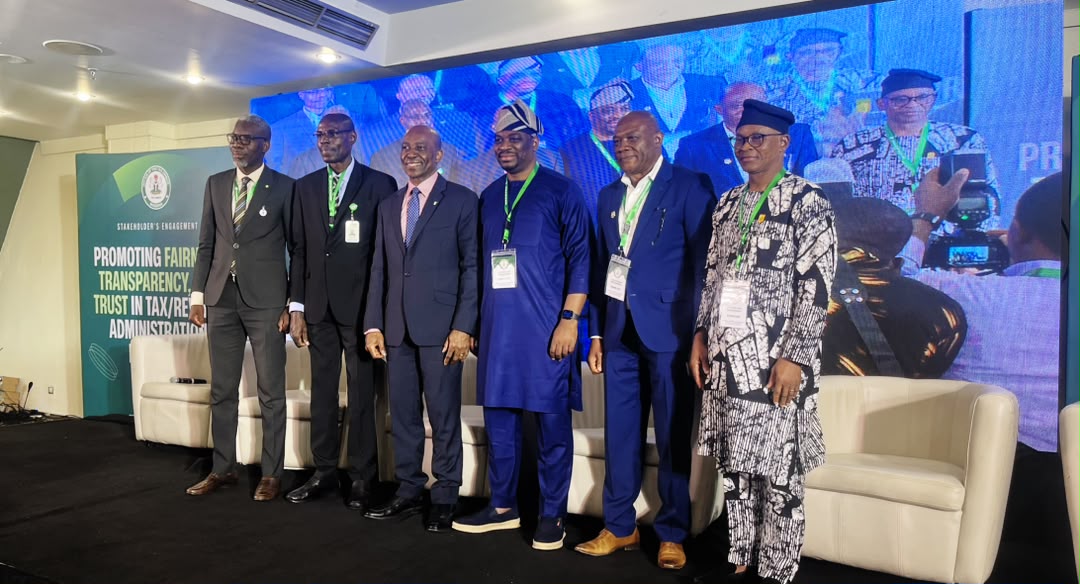
The Office of the Tax Ombud has urged revenue agencies to appoint liaison officers. This move aims to improve coordination, resolve taxpayer complaints faster, and boost accountability within Nigeria's tax system.
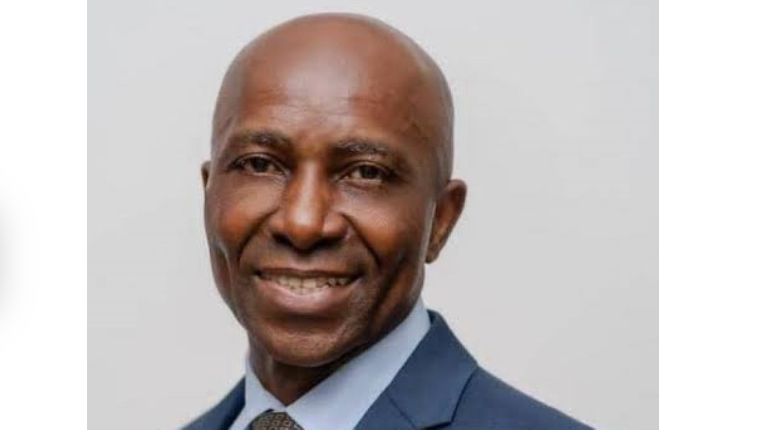
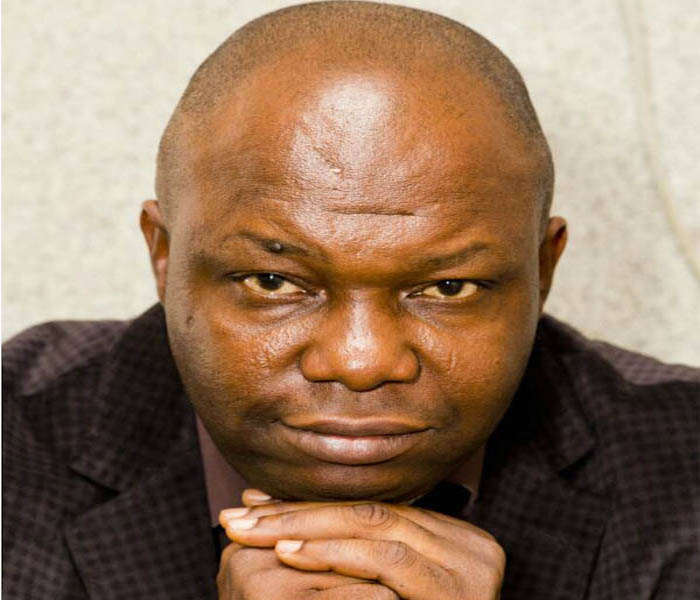
John Nwabueze, the Tax Ombud and Chief Executive of the Office of the Tax Ombud, made this call at a stakeholder engagement in Abuja on Thursday.
The meeting, themed "Promoting Fairness, Transparency and Trust in Tax and Revenue Administration in Nigeria," focused on improving the relationship between taxpayers and the government bodies that collect public revenue.
Mr Nwabueze stated that the office's goal is not to weaken revenue collection. Instead, it aims to ensure that the government's tax collection power is accompanied by fairness, transparency, and access to redress.
"Today is not simply about discussing taxation and revenue. It is about strengthening the relationship between the taxpayer and the institutions responsible for administering public revenue," he said.
He explained that the Tax Ombud mechanism is a significant step in modern tax administration. It recognizes the rights and concerns of taxpayers while balancing the government's need to collect revenue.
Mr Nwabueze pointed out that the Ombudsman system originated in Sweden in 1809. Other countries later adopted specialized taxpayer advocacy from this model.
He noted that the United States set up the Office of the Tax Ombudsman within the Internal Revenue Service in 1979. This marked a shift towards specific protections for taxpayers in tax administration.
According to him, Nigeria is now the ninth country worldwide and the third in Africa to adopt this tax advocacy approach.
He added that the Nigerian Office of the Tax Ombud was established under the Joint Revenue Board of Nigeria (Establishment) Act, 2025. This is part of a broader international trend in tax administration.
For many years, Nigeria's tax dispute-resolution system mainly focused on objections to tax assessments, administrative reviews, the Tax Appeal Tribunal, and the courts.
Mr Nwabueze stated that while these methods are still essential, there is a gap for taxpayers dealing with administrative or procedural issues with revenue authorities.
He said the Tax Ombud was created to help fill that gap.
The office handles complaints about taxes, levies, regulatory fees, customs duties, and excise matters.
However, he clarified that its role does not include deciding on substantive tax assessments. Those decisions are made by appropriate tax dispute-resolution bodies, including the Tax Appeal Tribunal.
"Our institution is impartial, accessible, and importantly, free for all taxpayers. We are committed to timely mediation and escalating systemic issues for policy solutions," he said.
He mentioned that the office has 14 days to resolve a complaint, with a possible seven-day extension if needed. If matters are unresolved, they can be escalated to the National Assembly as per the law.
Mr Nwabueze shared that the Tax Ombud has started implementing measures to make the office more accessible to taxpayers.
These measures include launching a website, an interactive contact center, and a case-management portal. Taxpayers can use these platforms to submit complaints, get information, track cases, and receive help.
He added that the office is also moving towards digitalizing its internal processes and service delivery systems. This is to reduce reliance on manual methods and enhance efficiency.
The aim is not just to use technology but to make taxpayer services faster, more transparent, and accountable.
Mr Nwabueze also announced plans to expand the office's physical presence beyond Abuja.
He said the Tax Ombud is collaborating with state governments to set up zonal offices across Nigeria. At least three are expected to start operations in the coming weeks.
The goal is to bring the office's services closer to taxpayers, including individuals and businesses that find it hard to reach the office in the Federal Capital Territory.
Another key initiative is the creation of a Taxpayer Bill of Rights and Obligations Charter, which will be launched soon.
Mr Nwabueze highlighted that the charter will outline taxpayers' rights and responsibilities. It will also set the standards of fairness, transparency, and accountability they should expect from tax and revenue authorities.
This document will be available on the office's digital platforms and other public channels.
He called on tax and revenue authorities to help spread awareness of the charter through their offices and digital platforms. Increased awareness of taxpayer rights could lead to better compliance, prevent disputes, and build trust between taxpayers and government agencies.
The Tax Ombud also suggested a formal coordination system between his office and revenue agencies.
He asked these agencies to appoint liaison officers. These officers would act as points of contact with the Office of the Tax Ombud.
The liaison officers would help ensure timely communication and referral of taxpayer complaints. They would also help resolve issues quickly and identify ongoing administrative challenges.
Mr Nwabueze noted that this setup would allow individual complaints to be addressed faster and help the government spot systemic issues affecting taxpayers.
Speaking for the Minister of Finance and Coordinating Minister of the Economy, Taiwo Oyedele, Olufemi Olarinde praised the Office of the Tax Ombud. He described it as a new, independent body created to handle taxpayer complaints, promote reforms, and connect taxpayers with revenue agencies.
Mr Olarinde commended the office's efforts to improve collaboration, adopt digital solutions, and promote fairness and trust in Nigeria's tax system.
Other stakeholders also called for more transparency and consultation in tax administration.
Emmanuel Sunday Inyang, representing the Corporate Affairs Commission, said a stable tax system relies on taxpayers understanding their duties and being treated fairly.
He stressed the need for transparency, efficient business registration, and cooperation among government agencies. Protecting taxpayer rights should go hand in hand with improving compliance.
Hassan Usman, representing the FCT Internal Revenue Service, also highlighted the importance of transparency and accessible services to build trust in the tax system.
Vivian Chimizia Azubuike, the Director-General of the Nigerian Shippers’ Council, called for fairness and transparency in tax policies affecting the maritime sector, especially for small and medium-sized businesses.
She urged revenue agencies to hold consultations with stakeholders before issuing new tax guidelines.
She said fairness and quick resolution of disputes should be standard in tax administration.
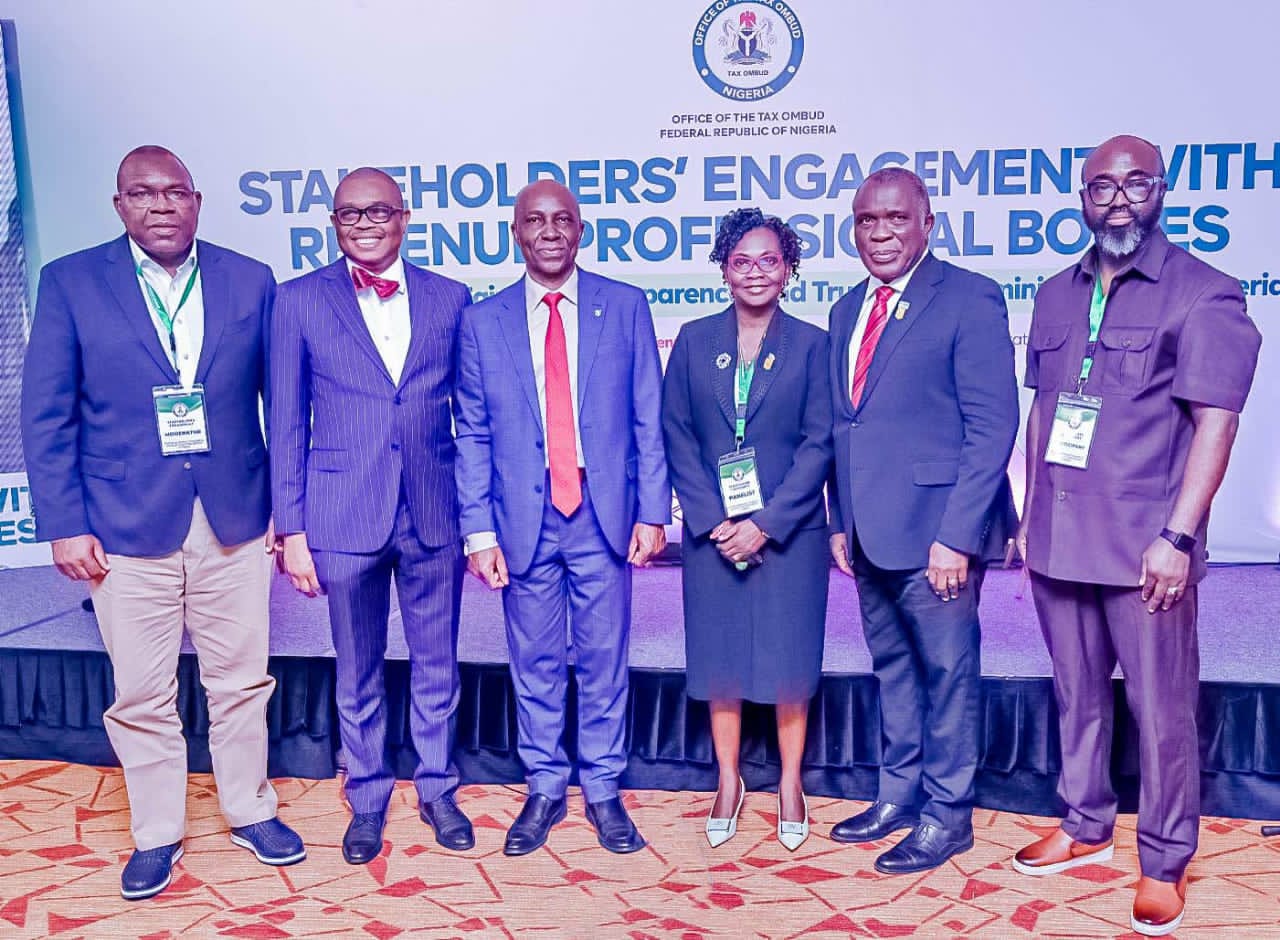
The engagement also included a panel discussion with representatives from several organizations. They talked about ways to boost taxpayer confidence, improve dispute resolution, encourage digital innovation, and enhance cooperation between businesses and tax authorities.
The gathering brought together government officials, private-sector representatives, civil society groups, and the media to discuss how to make Nigeria's tax system more fair and trusted.
Mr Nwabueze concluded that the success of the Tax Ombud will depend on cooperation between taxpayers and revenue agencies.
He encouraged everyone involved to see taxpayer protection and revenue generation as goals that work together, not against each other.
"The journey to a trusted tax system is a collective one," he said.


Comments
No comments yet.