Tinubu cuts Nigeria’s 2026 budget by N3.2 trillion, keeps N29.2 trillion borrowing plan
President Bola Tinubu has revised Nigeria's 2026 budget, cutting total spending by N3.2 trillion. The fiscal deficit remains unchanged at N31.4 trillion.
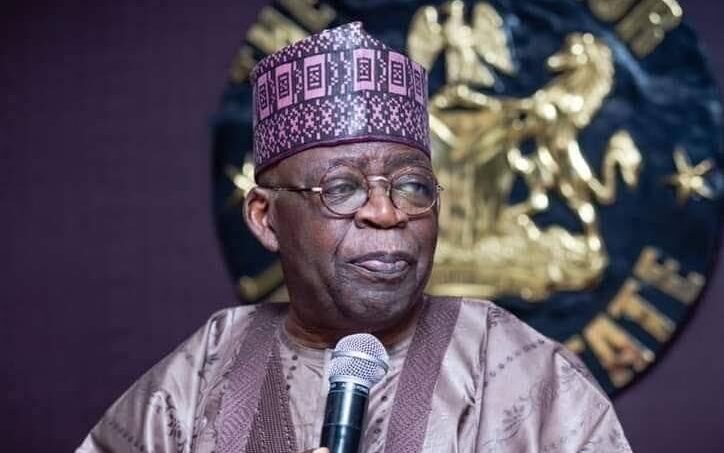
President Bola Tinubu has changed Nigeria’s 2026 budget, cutting total spending by N3.2 trillion but keeping the borrowing plan from the earlier approved budget.
Mr Tinubu has asked the Senate to look at the new budget, which is set to be implemented until the end of next month.
The new proposal shows total spending dropping from N68.3 trillion to N65.1 trillion. The government expects revenue, including money from government-owned companies, to be N33.7 trillion, while total capital spending is N26.2 trillion.
But the fiscal deficit, which includes loans tied to projects, stays the same at N31.4 trillion. This is about 5.6 percent of Nigeria’s Gross Domestic Product (GDP).
The changes in the budget aim to regularise some payments made by the Nigerian National Petroleum Company Limited (NNPCL) for the federal government. It also addresses debt service obligations, recognises issued capital warrants, and supports reforms in ministries, departments, and agencies (MDAs).
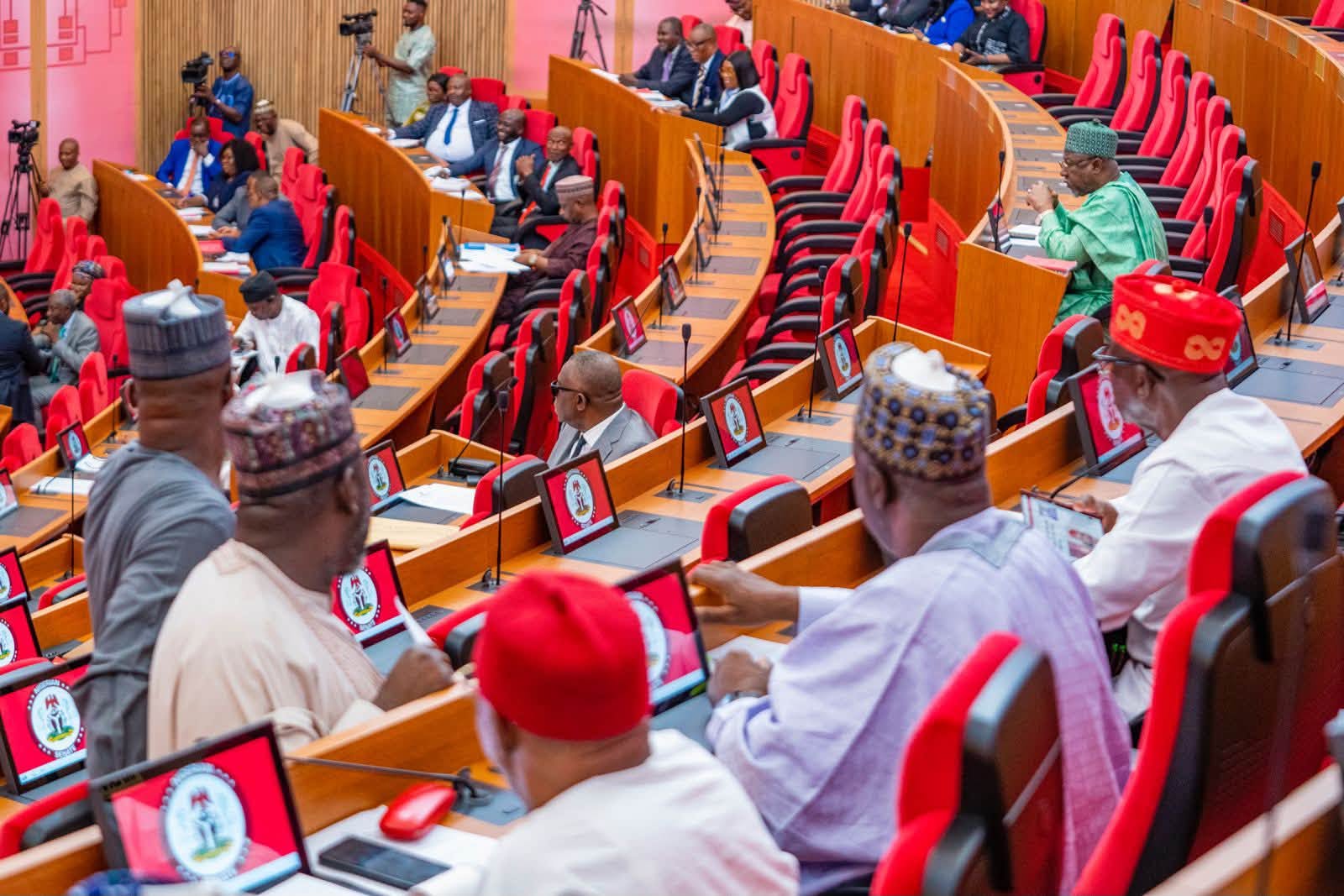
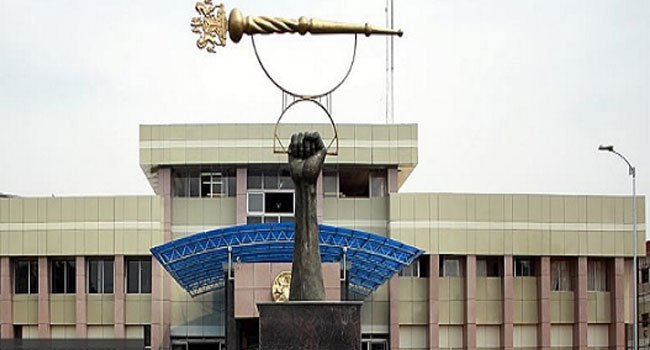
Senate President Godswill Akpabio read the details of the revised budget during a plenary session on Tuesday.
“Under the revised framework, total expenditure is set at N65.1 trillion compared to N68.3 trillion in the approved budget. The projected federal government revenue, including government-owned enterprises, is N33.7 trillion, while total capital expenditure is N26.2 trillion. The fiscal deficit, including project-tied loans, remains unchanged at N31.4 trillion, equivalent to 5.6 percent of our GDP,” Mr Tinubu said.
The updated budget also keeps the government’s borrowing plan at N29.2 trillion. This consists of N18.4 trillion in domestic borrowing and about N10.8 trillion in foreign borrowing.
The president added that the proposed $7.7 billion external borrowing under the 2026, 2027 Supplementary External Borrowing Plan, which is meant to help cover the 2026 budget deficit, will not change.
“Planned new borrowing also stays at N29.2 trillion, with N18.4 trillion in domestic borrowing and N10.7 trillion in foreign borrowing.
“The proposed $7.7 billion external borrowing equals about N10.3 trillion at $1 to N1,346.5. This is meant to cover existing foreign borrowing provisions and does not increase the borrowing limit,” he said.
Mr Tinubu mentioned that the revision also includes more capital and overhead funds for some MDAs as priority national efforts.
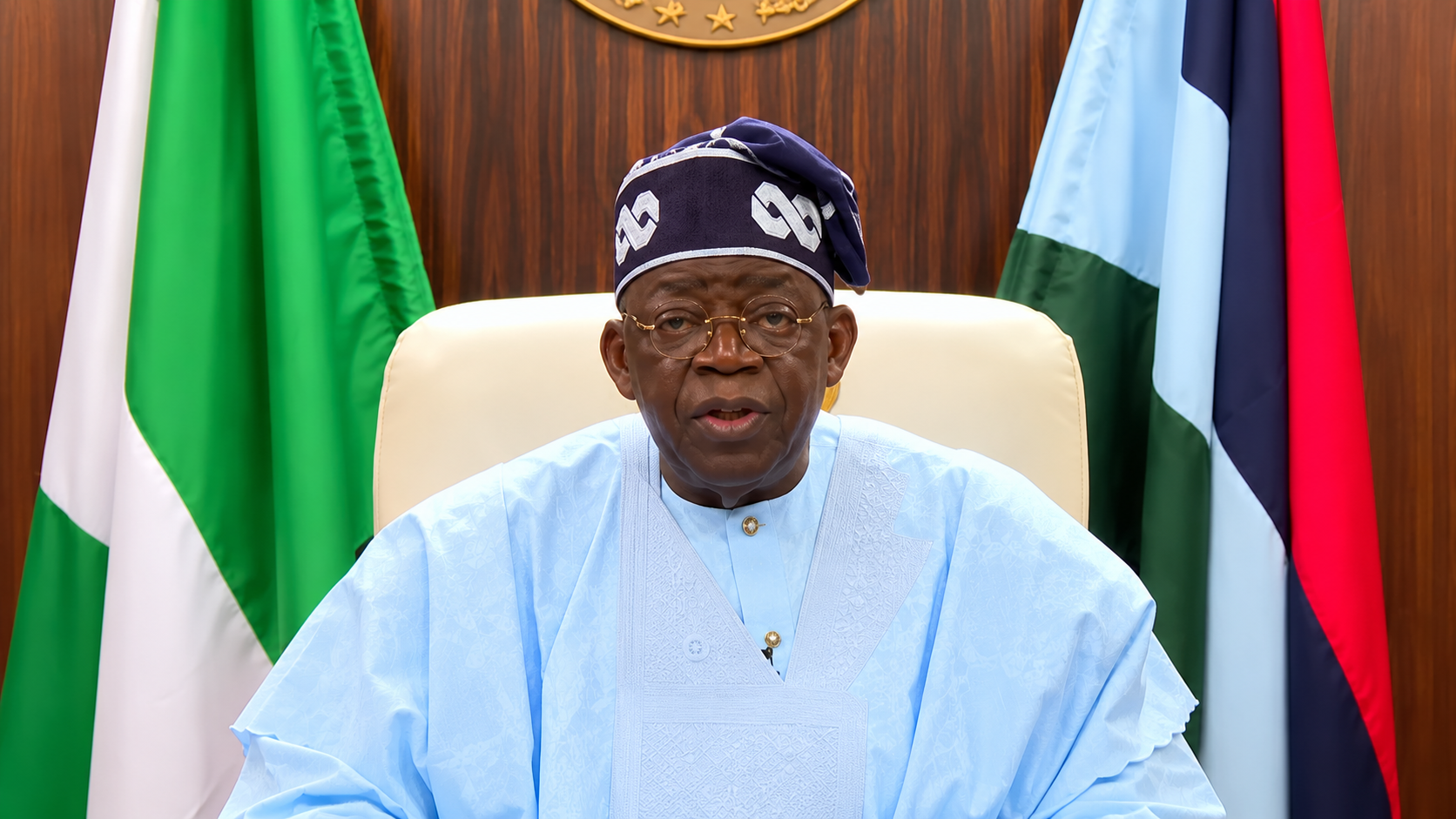
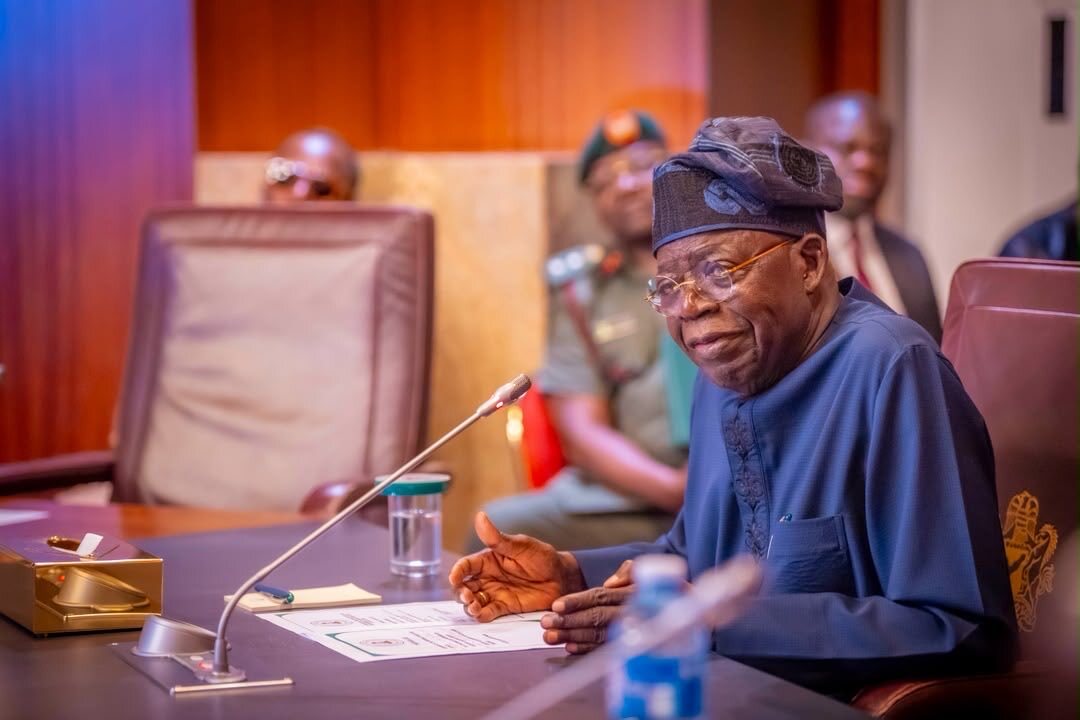
These provisions aim to help finish important projects, protect agricultural production, lower production costs, improve farm use, and boost market access while dealing with water issues.
“The MDA capital provision mainly consists of amounts already approved. A few new capital and overhead provisions were added as priority national efforts, especially to complete important projects, protect agricultural production, lower production costs, improve farm use, and enhance market access while addressing water vulnerability,” the president said.
After reading the communication, Mr Akpabio sent the revised budget plan to the Senate Committee on Rules and Business for further action.
The Senate will discuss the president’s request soon to decide whether to accept the revised budget.
The 2026 budget was first signed into law at N68.32 trillion in April. It allocated N32.29 trillion for capital expenditure, N15.81 trillion for debt servicing, N15.43 trillion for recurrent (non-debt) expenditure, and N4.80 trillion for statutory transfers.
This budget was based on expected revenue of N36.87 trillion, leaving a fiscal deficit of N31.46 trillion. The government planned to cover this mostly through borrowing, along with asset sales and multilateral and bilateral project-tied loans.
Keeping the borrowing plan and fiscal deficit, even with the drop in total spending, raises concerns about the government’s financial priorities and its ability to handle the country’s rising debt.
While the revised budget offers more support for agriculture and completing key projects, the cut in capital spending might hurt funding for infrastructure and other development projects if existing commitments are not protected.
Holding on to the borrowing plan means the government will keep depending on loans for its spending, which could increase future debt repayments. This comes as there is already a significant amount set aside for debt servicing in the 2026 budget.
The revised budget will need careful examination from lawmakers, especially regarding the projects impacted by the cut in capital funds, the use of borrowed money, and the government’s ability to raise enough revenue to meet its responsibilities.

Comments
No comments yet.