Tinubu plans 500 more CNG stations to cut transport costs
President Bola Tinubu has announced plans for 500 new CNG refuelling stations across Nigeria to help lower transport costs following the removal of the petrol subsidy.
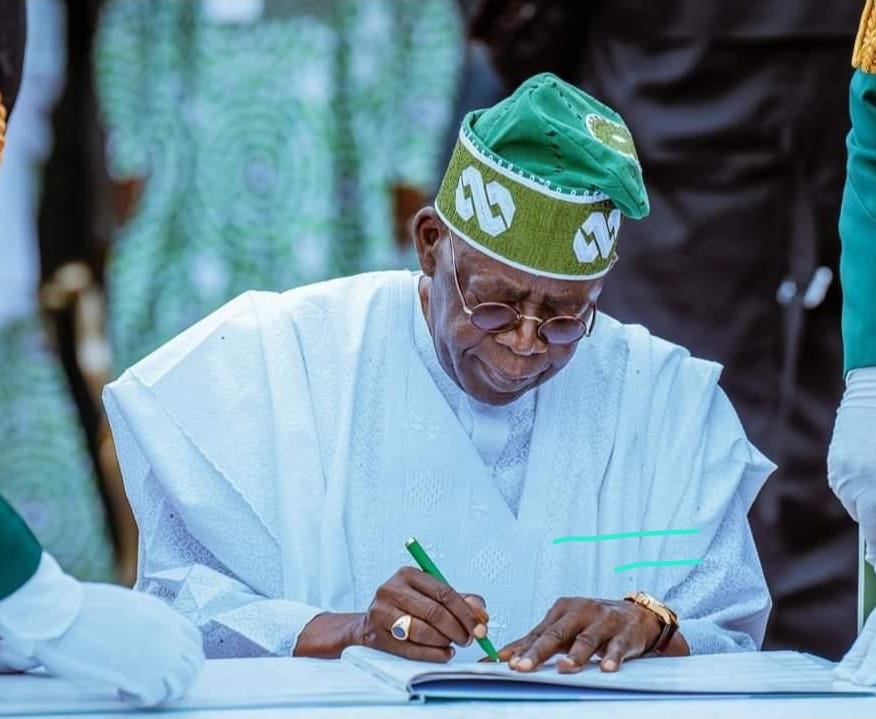
President Bola Tinubu has ordered 500 more Compressed Natural Gas (CNG) refuelling stations across Nigeria. This is part of his plan to lower transport costs after the petrol subsidy was removed.
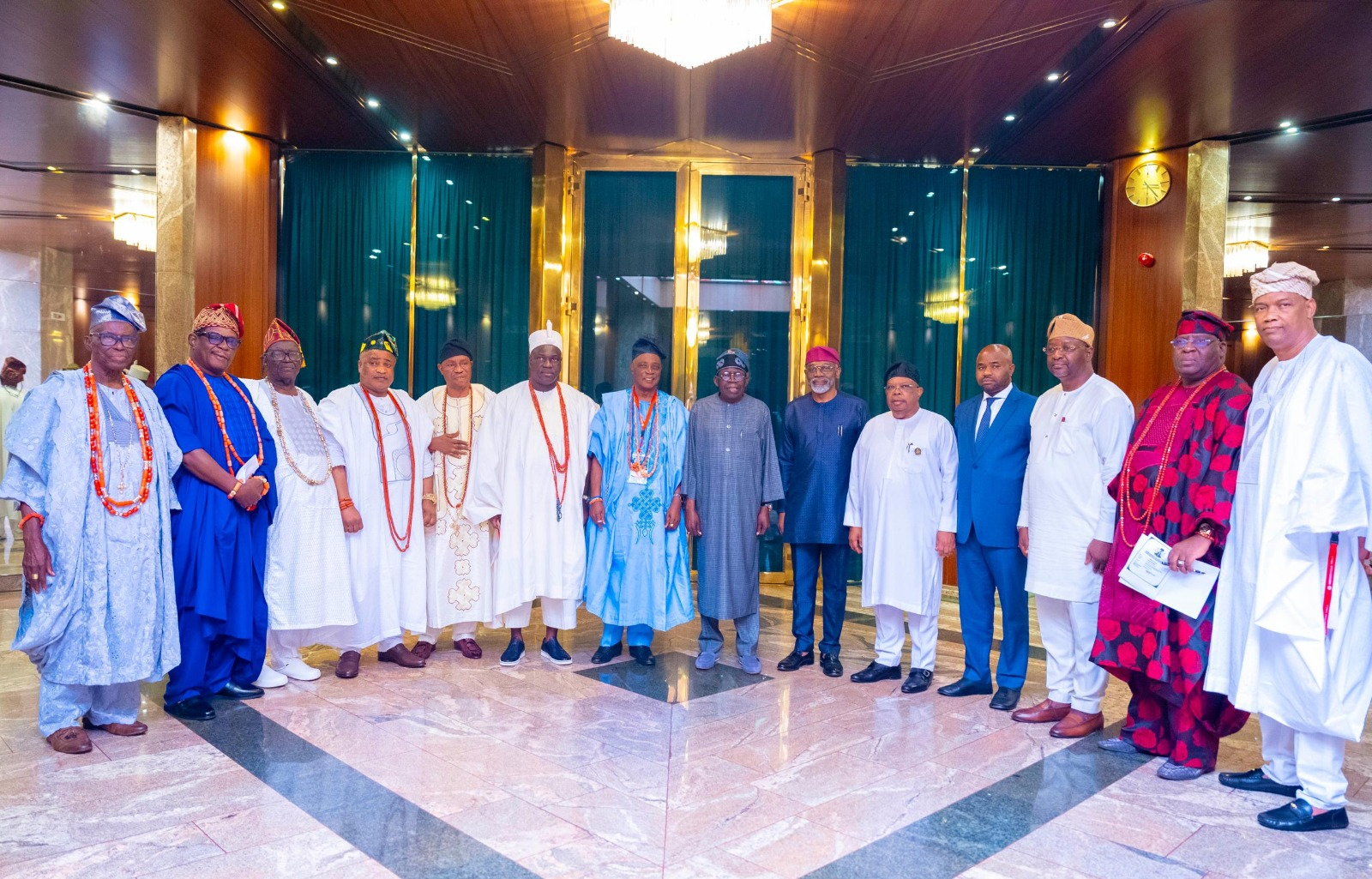
With these new stations, there will be 1,000 CNG refuelling stations under the federal government’s program. Mr Tinubu shared this news on Thursday after meeting with the Nigeria Governors’ Forum. He mentioned that the governors agreed to take quick steps to lower transport costs in their states.
The president said the focus is on increasing the use of CNG and electric vehicles, especially for local transport. This is important because many Nigerians are struggling with rising fares.
“From October 1, our goal is that Nigerians begin to partake in those savings through lower transport fares. We have agreed that cheaper fuel should lead to cheaper fares,” Mr Tinubu stated in a post on his X handle.
He added that both federal and state governments will form a joint committee. This committee will work on ways to reduce transport costs. The idea is to make sure that savings from cheaper energy sources lead to lower fares for commuters.
CNG Expansion
Mr Tinubu also mentioned that over 120,000 vehicles have been converted to CNG across the country. This is part of the Presidential CNG Initiative. There are also more than 100 additional conversion kits being processed.
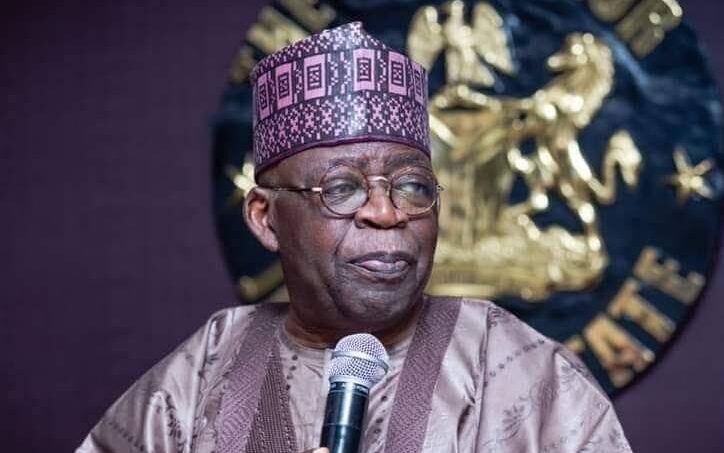
The federal government is working on expanding conversion centers and refuelling infrastructure to support the rise in CNG-powered vehicles. The president said the Midstream and Downstream Gas Infrastructure Fund is funding over 100 gas projects across Nigeria. This includes 15 CNG mother stations and 86 daughter stations.
Four of these projects were launched in May in Lagos, Abuja, and Owerri. One of these projects is a 15-station CNG refuelling network in Lagos. There is also a facility in Abuja that can serve up to 1,000 cars and tricycles and 50 trucks and buses every day.
Mr Tinubu noted that the government had already ordered 500 CNG stations through the Midstream and Downstream Gas Infrastructure Fund. Now, he has directed the rollout of another 500 stations. This means there will be a total of 1,000 stations across Nigeria.
The president highlighted that this expansion is especially important for local transport. This is where Nigerians feel the impact of high transport costs the most.
He said CNG-powered vehicles could save between 60 and 80 percent on fuel compared to petrol vehicles. The expected savings should reflect in transport fares starting from October 1.
Mr Tinubu urged both federal and state authorities to collaborate to ensure that lower operating costs with CNG lead to cheaper transport for Nigerians. “Each tier of government must keep doing its part and work together for the benefit of every Nigerian,” he emphasized.



Comments
No comments yet.