Uber stops operations in Nigeria after 12 years
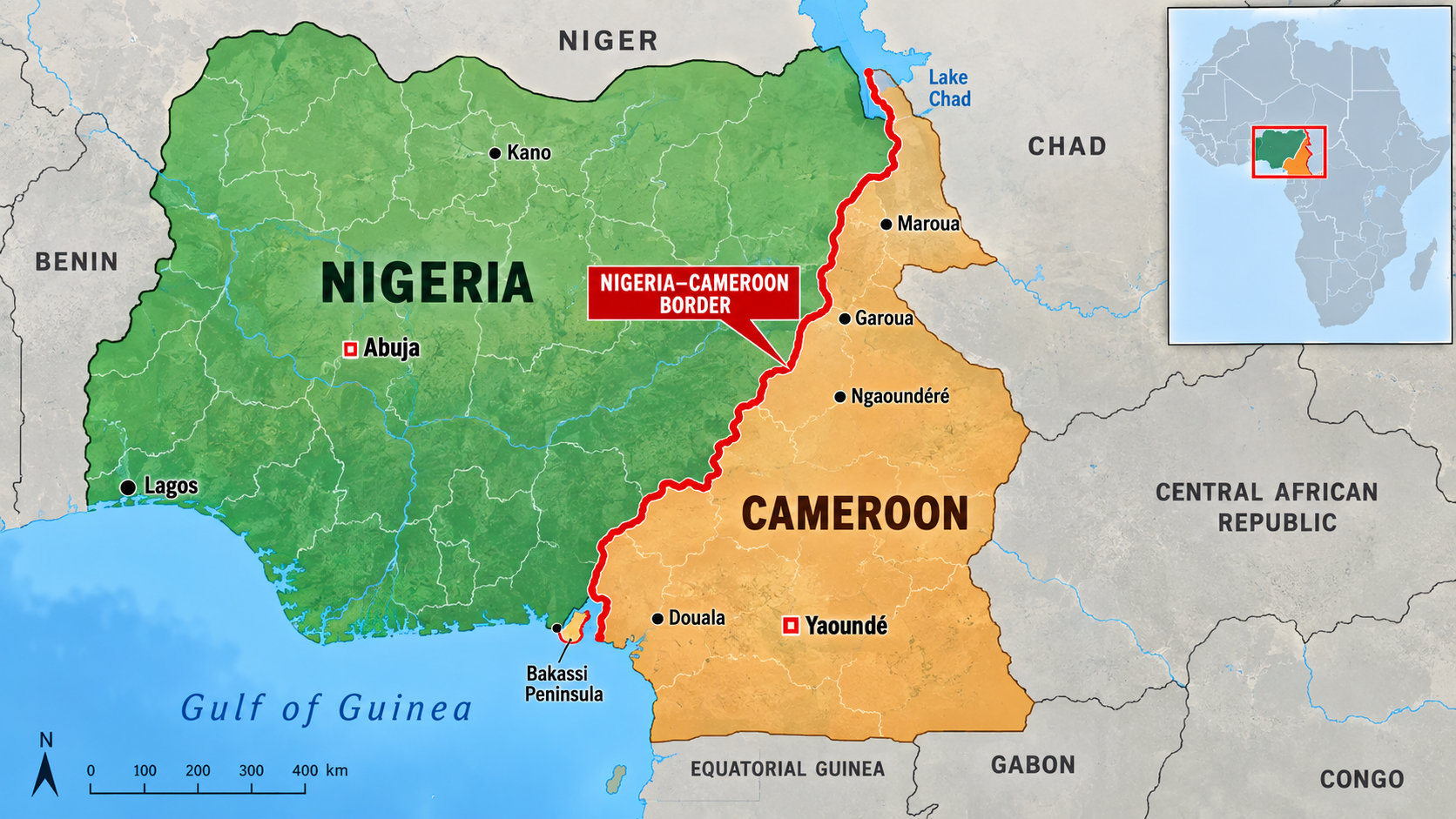
Uber will cease operations in Nigeria and Uganda from September 2, marking the end of its 12-year presence in Nigeria. The company cites changing business priorities as the reason for this decision.

Ride-hailing company Uber has decided to stop its operations in Nigeria and Uganda starting from 2 September. The company cited a review of its changing business priorities and investment focus across Africa as the reasons for this move.
Uber shared its decision to exit Nigeria and Uganda in a statement sent to PREMIUM TIMES on Wednesday. They made it clear that this change does not affect their operations in other African countries.
Uber's exit comes just weeks after some issues regarding e-hailing services at Nigerian airports. On 30 July, the Federal Airports Authority of Nigeria (FAAN) instructed airport managers to stop Uber and Bolt from running their services at these airports until they finalize license agreements.
This order led to complaints about increased transport fares at the airport. In response, Aviation Minister Festus Keyamo told FAAN on 27 August to look into these complaints. Bolt later got the green light to resume operations at the airports after Mr Keyamo's intervention.
But Uber stated that their decision to leave Nigeria is not linked to the recent FAAN directive about e-hailing services at the airports. "Uber’s decision to discontinue operations in Nigeria was made following a review of its evolving business priorities and investment focus across Africa. The decision is not related to the recent FAAN directive concerning e-hailing operations at Nigerian airports," the company said.
Departure Details
Uber emphasized that this decision is limited to Nigeria and Uganda and does not impact their business in other parts of Africa. They mentioned that their main focus now is to support drivers, riders, and local staff during this transition.
"Uber remains deeply committed to Sub-Saharan Africa, where we continue to see strong growth and long-term opportunity," they added. They also mentioned that they plan to invest in markets where they can provide the most value to drivers by creating earning opportunities and helping riders travel easily.
On how this decision will affect their employees, Uber said they would communicate responsibly with all affected staff, drivers, and riders about what this means for them. "We are committed to supporting affected employees through the transition and will communicate directly with them regarding the arrangements that apply to them. We have been in touch with active drivers to extend a token of our appreciation as they transition over the next period," the ride-hailing company explained.
Uber also clarified that rider data will continue to be handled according to relevant data protection laws, privacy rules, and Uber’s data protection policies. "Uber will limit data retention to what is legally required, maintain appropriate security controls, and fulfill ongoing legal obligations and data requests," they stated.
They encouraged riders to contact Uber through its privacy inquiry form if they have questions about their data privacy, need help with their personal data, or want to submit a privacy request. Uber added that rider support would still be available for 21 days after they stop operations to help with outstanding questions and other transition matters.
"As part of Uber’s exit, Uber for Business services will also be discontinued. We are in touch with partners to support them through the transition," the company noted. Uber began operations in Lagos in 2014 and later expanded to Abuja in March 2016. At that time, the company said Abuja was its 400th city worldwide. Uber Nigeria is part of Uber Technologies Inc., a US-based public company that operates the Uber platform from its headquarters in San Francisco, California.





Comments
No comments yet.